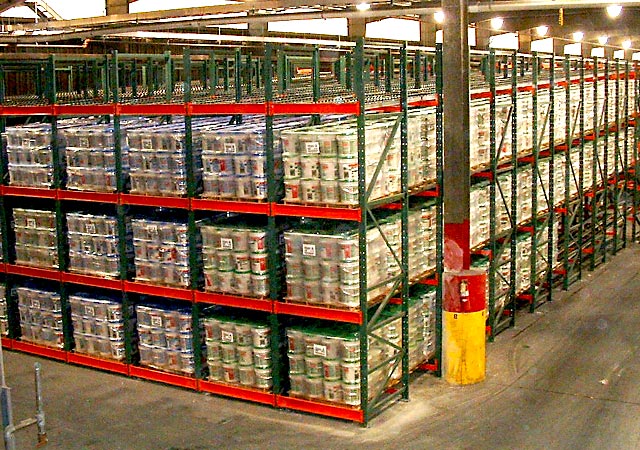
Pallet Flow Rack in Moriarty, NM
Pallet flow rack in Moriarty gives repeat inventory a defined route from replenishment to retrieval. Pallets enter elevated roller lanes from one aisle, then advance toward a separate discharge aisle. This FIFO arrangement can support dated feed and other rotating stock when consistent pallet construction and sufficient product volume justify dedicated lanes.
Agriculture and feed businesses around Central Avenue industrial properties should compare lane quantities with batch sizes and dispatch demand. Along the I-40 frontage, receiving traffic also influences rack orientation. Storage density matters, but trucks, forklifts, and replenishment pallets still need distinct places to wait without obstructing the picking face.
Pallet Flow Racking Evaluation Sequence
Sort inventory by movement
We review product counts, batch sizes, pallet footprints, weight variation, and dispatch frequency. The goal is to distinguish lanes that will turn regularly from channels likely to remain partially filled, while identifying stock that belongs in another storage format.
Reserve the traffic paths
A proposed arrangement marks replenishment access, retrieval clearance, lane depth, and freight staging. We discuss how incoming trucks interact with internal movement so the storage block does not force receiving pallets into the space reserved for order dispatch.
Check the complete load range
Pallet samples and representative loads support decisions about roller spacing, slope, brakes, and separation devices. Evaluation includes the lightest acceptable load and the heaviest planned pallet, because smooth movement at one weight does not establish performance across the range.
Agree the installation sequence
Once the specification is approved, supply and managed crew activities are coordinated around defined access windows. Operating guidance addresses lane assignments, acceptable pallets, load limits, and the checks employees should make before introducing stock into the completed roller channels.
Pallet Flow Rack Advice for Batch Inventory
Our recommendations distinguish inventory that benefits from continuous rotation from stock that needs individual pallet access. Feed batches may warrant dedicated FIFO channels; an assortment of slow-moving equipment parts may not. We explain the tradeoff between deep storage and the number of independently accessible product lines before equipment selection.
As a division of Warehouse Equipment & Supplies Co., supplying and installing since 1997, Albuquerque Pallet Rack brings storage planning and installation coordination into one conversation. We review pallet contact surfaces and load behavior alongside the rack layout, rather than treating roller tracks as interchangeable accessories.
Moriarty's freight activity makes receiving access a central installation issue. We manage installation crews and coordinate work zones with your staff, accounting for truck staging and equipment deliveries. Agreed boundaries help distinguish construction activity from replenishment routes without promising that every operation can continue unchanged.
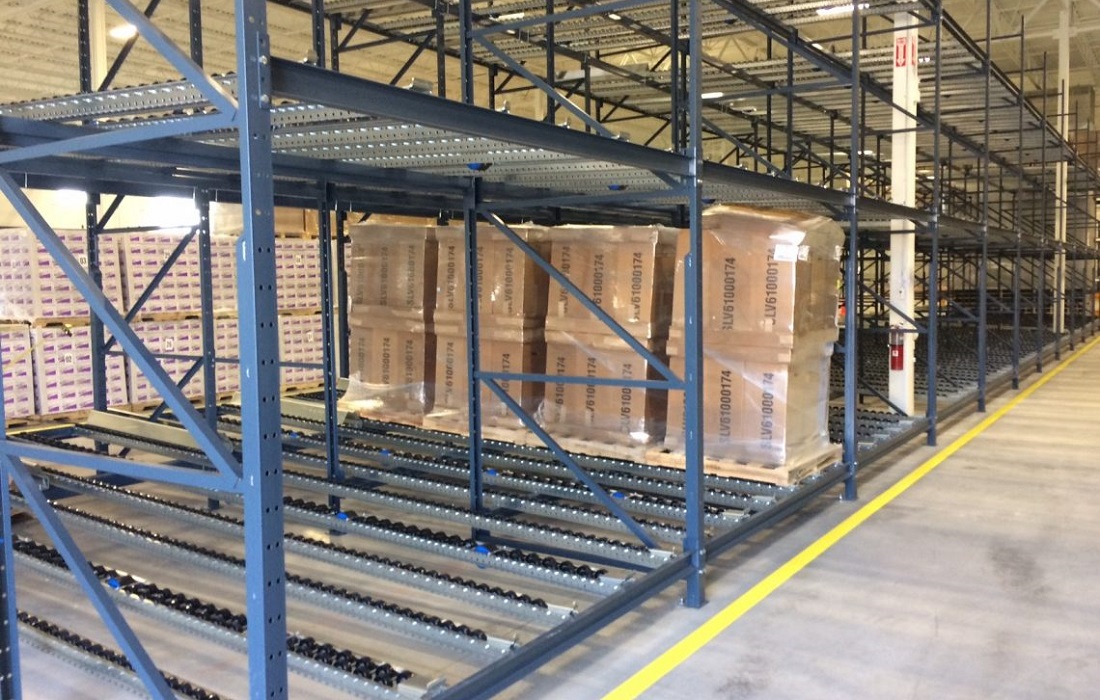
Plan Around Receiving Traffic
Gravity Flow Rack Mechanics Explained
With pallet flow racking, each lane normally holds a single product moving from the loading end toward the retrieval end. FIFO occurs within that lane when replenishment follows the intended direction. Lot identification still matters when several lanes carry the same product and staff must select the oldest batch first.
Pallet undersides determine roller compatibility. Runner direction, deck openings, board condition, and load deflection affect rolling contact. Bagged feed or unevenly distributed cartons can change the load profile, so both light and heavy representative pallets belong in the review. A rated rack structure does not by itself establish conveyor suitability.
Lane depth sets inventory capacity per product, while slope supplies the force needed for movement. Speed controllers moderate descent, and discharge devices manage presentation at retrieval. Excessive pitch is not a substitute for suitable rollers: the design must consider starting resistance, accumulated pressure, and restraint as the leading pallet leaves.
A gravity flow rack uses opposite loading and picking aisles, unlike pushback systems that return pallets toward a shared working face. Pushback generally follows last-in, first-out rotation. For high-volume dated goods, separating entry from exit can be preferable, provided the building has enough access space and inventory discipline supports the arrangement.
Request a Batch Storage Proposal
Albuquerque Pallet Rack
2105 Vista Oeste NW
Suite E #3491
Albuquerque, NM 87120
(505) 436-7469Monday - Friday: 8:00 AM - 6:00 PM
Questions Before Allocating Channels
- How many feed batches need separate lane identities?
- What weight range must each channel accept?
- Where can trucks stage during installation activity?
Buyer Guidance on Loads and Rotation
Other Ways to Store Palletized Stock
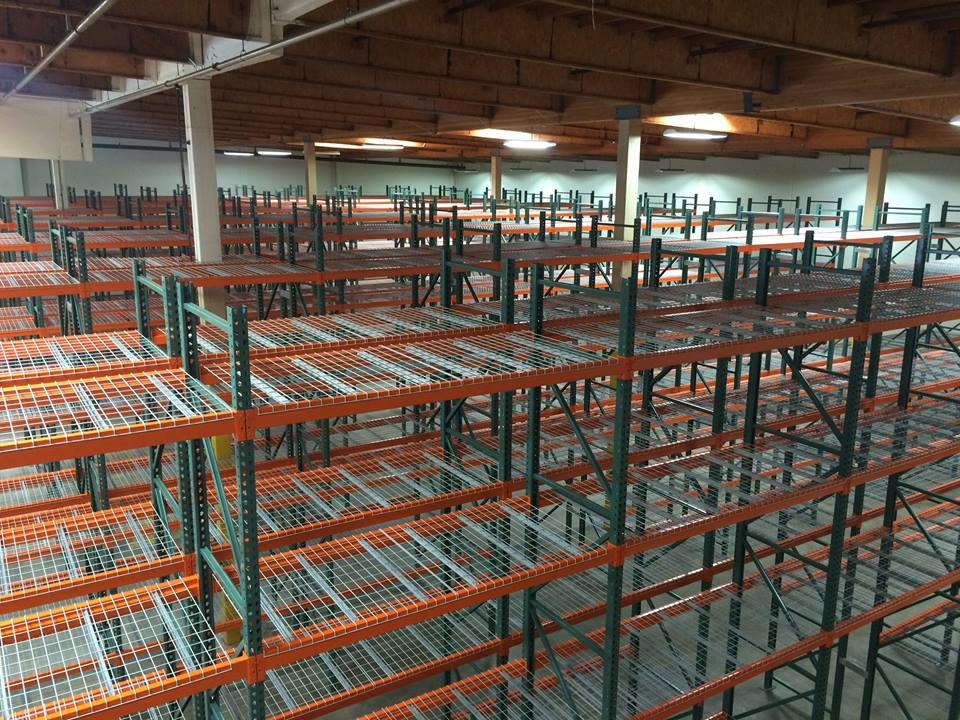
Pallet Rack
Every pallet reachable, every time. The baseline we size everything else against.
View details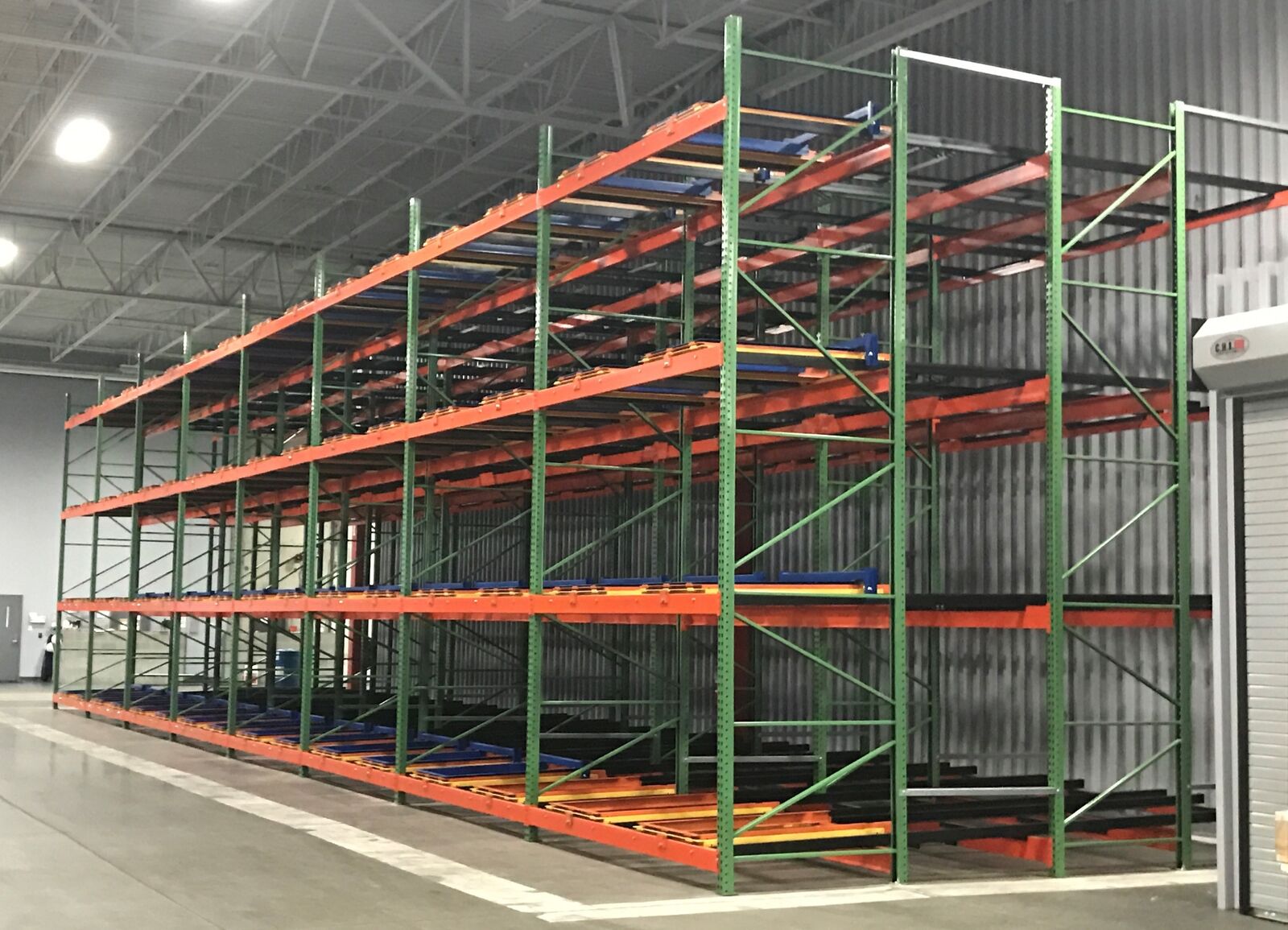
Pushback Rack
Two to six pallets deep from one aisle, without giving up much reach.
View details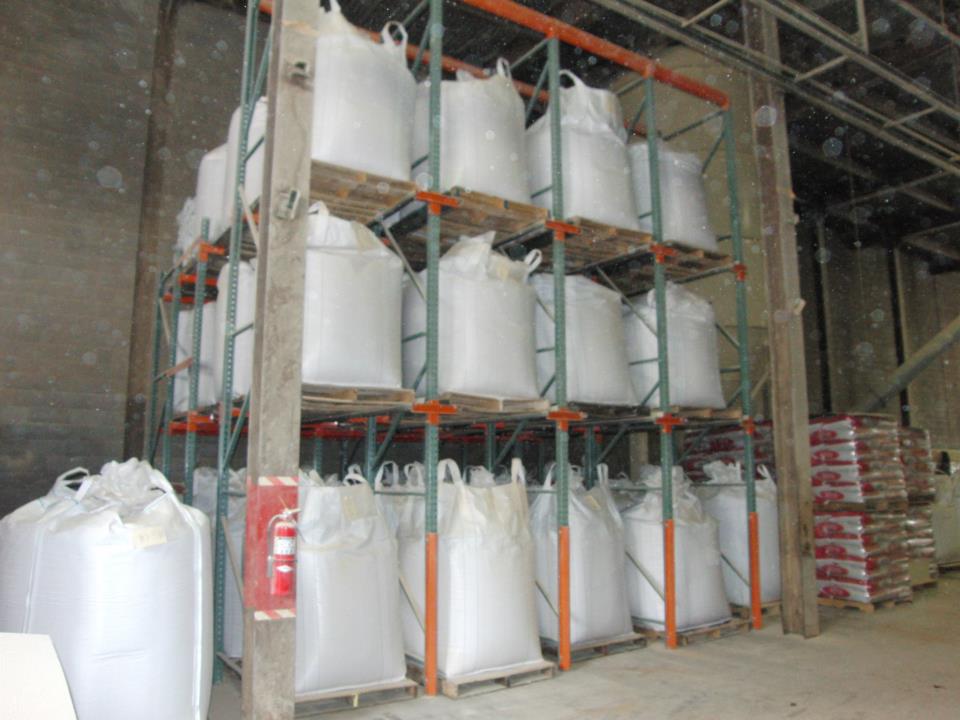
Drive-In Rack
No aisles. The forklift enters the structure, and the floor holds more pallets per square foot than any other system.
View details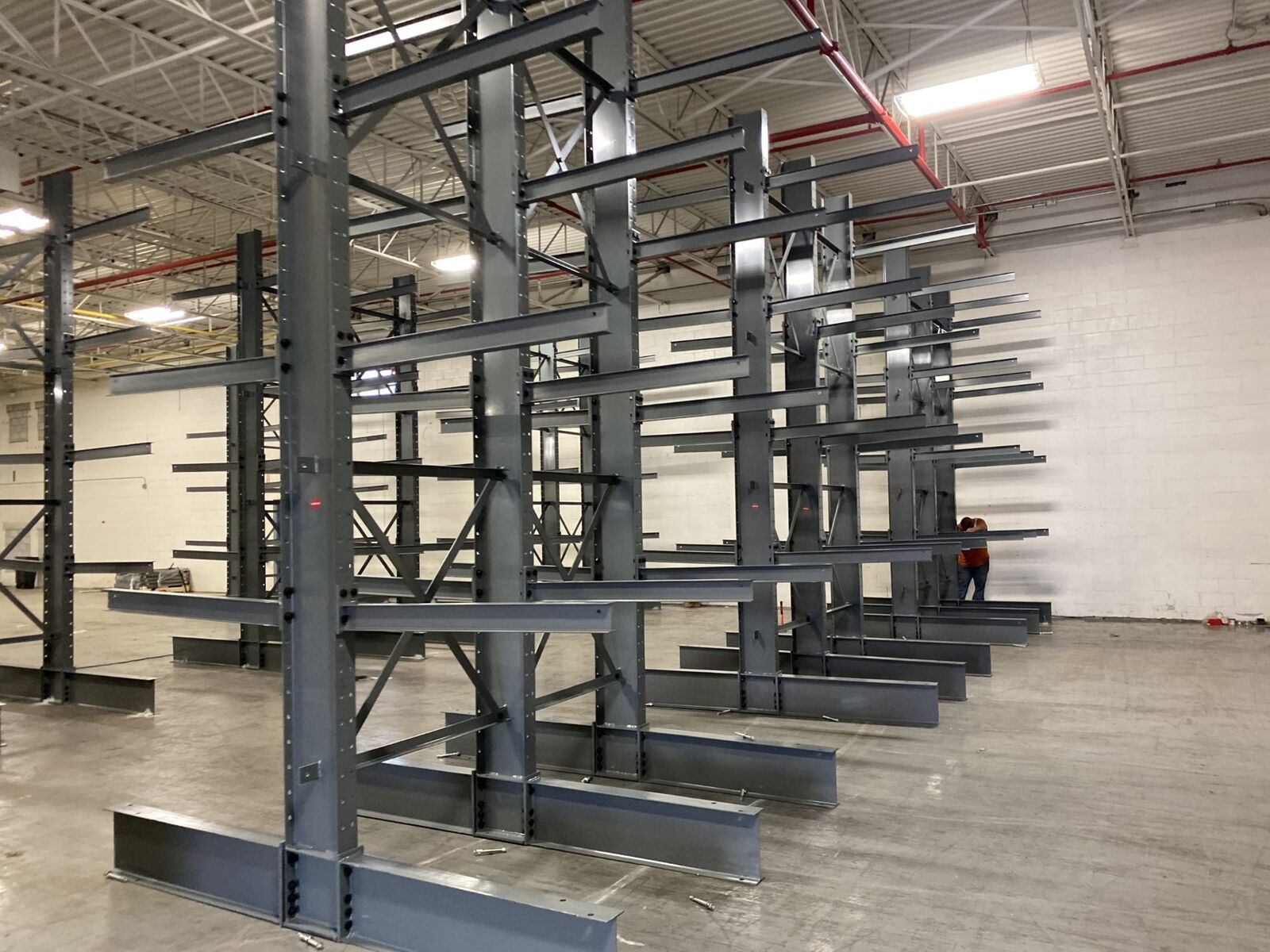
Cantilever Rack
Arms with nothing in front of them, built for lumber, pipe, and anything a pallet can't hold.
View details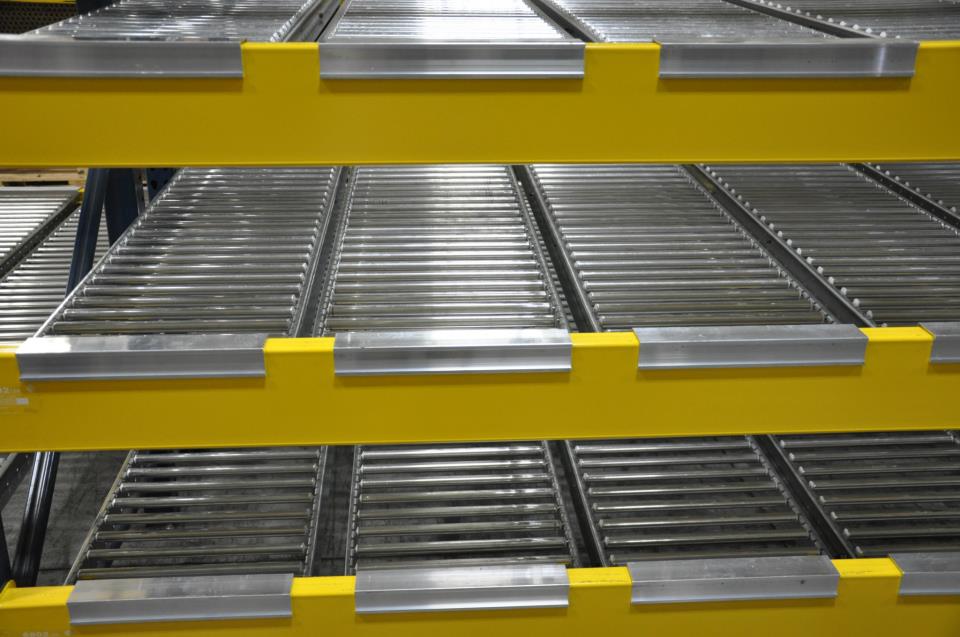
Carton Flow Rack
Cases advance to the picker instead of the picker hunting for cases.
View details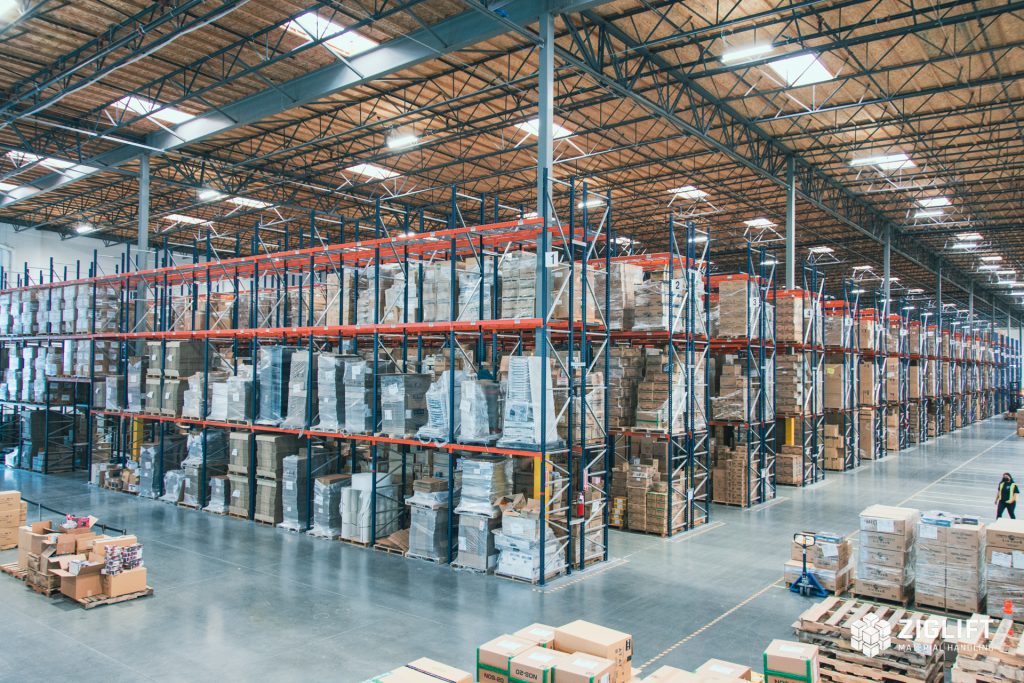
Warehouse Relocation
Move the storage system with a labeled teardown, destination layout, and phased reinstallation plan.
View detailsWhere We Work
Located in Albuquerque, we serve the entire metro and greater New Mexico with industrial pallet racks and warehouse storage solutions.
Albuquerque Pallet Rack
Address
2105 Vista Oeste NW
Suite E #3491
Albuquerque, NM 87120
Phone
(505) 436-7469Business Hours
Monday - Friday: 8:00 AM - 6:00 PM
Saturday: Closed
Sunday: Closed
Review Your Lane Requirements
(505) 436-7469