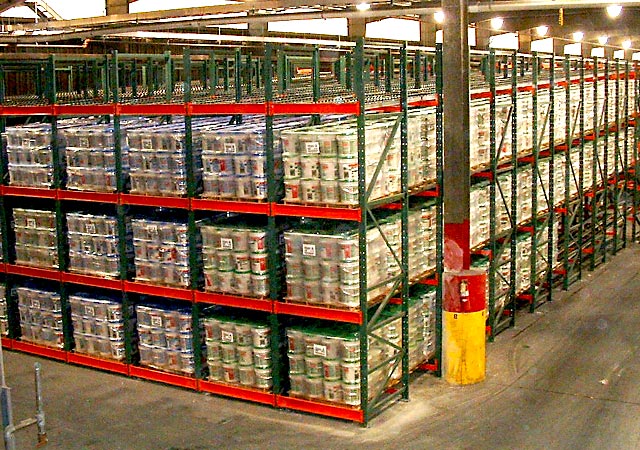
Pallet Flow Rack in Albuquerque, NM
Pallet flow rack in Albuquerque moves dated inventory along inclined rollers from a receiving face to an opposite picking face. Each lane presents its earliest loaded pallet first, supporting FIFO when loading follows the assigned sequence. Food and beverage distributors can concentrate high-volume SKUs without asking drivers to enter storage lanes.
Around Westside Industrial and Mesa del Sol, planning starts with the building rather than a standard lane depth. Older mid-clear warehouses and newer industrial shells offer different vertical envelopes. We balance roller elevation, forklift access and replenishment space so deeper storage does not consume the aisles needed at both ends.
Pallet Flow Rack Planning for Local Buildings
We evaluate the pallet beneath the merchandise before recommending roller tracks. Bottom-board direction, gaps, damage and deflection affect contact as a load advances. A lane intended for uniform beverage pallets needs a different review from one carrying mixed food packaging, even when both loads have similar dimensions and stated weights.
As a division of Warehouse Equipment & Supplies Co., we bring a supplying and installing history dating to 1997 to each layout discussion. Experienced installation crews work under our management, with receiving routes and material access established before assembly begins. Your proposal identifies the equipment and installation scope.
Near Journal Center and the North I-25 Corridor, a third-party logistics building may need more SKU access than deep lanes provide. We compare active lane count against inventory per SKU. Where frequent assortment changes leave lanes partly empty, selective storage alongside flow lanes may better suit the operating pattern.
Receiving and Picking Considerations
Pallet Flow Racking Components and Layout
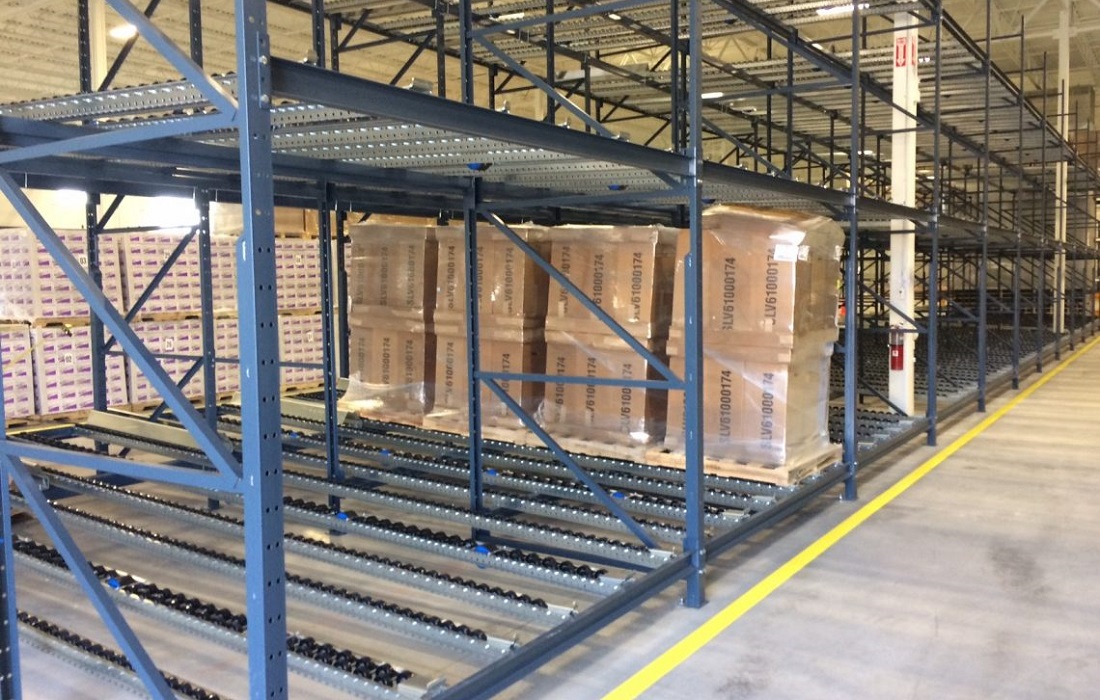
Lane slope is selected with the roller arrangement and actual load range. Light pallets must begin moving without manual pushing, while heavy pallets need controlled travel. Brake rollers or other speed controllers regulate descent; adding pitch alone is not a substitute for matching the braking arrangement to the application.
Depth follows inventory and replenishment, not just available building length. Long lanes can hold substantial stock behind one picking position, but they also dedicate that space to a narrow assortment. We review dated batches, reserve quantities and expected withdrawals before assigning the number of positions behind each face.
The loading aisle and picking aisle remain on opposite sides. That separation lets replenishment and withdrawal occur at different faces, although nearby travel routes still need coordination. Entry guides help place pallets squarely, while discharge components and any specified separators manage presentation at the picking end of each lane.
Pushback storage uses a shared loading and picking face and normally follows LIFO within its lane. Gravity flow rack instead supports FIFO through opposing faces. We explain that distinction before comparing layouts, because reclaiming an aisle with pushback changes the inventory sequence rather than delivering the same operating result.
Pallet Flow Racking from Samples to Operation
Record the moving loads
Provide pallet dimensions, minimum and maximum loaded weights, bottom-board photographs and SKU quantities. Include occasional light loads rather than only the heaviest unit. Those details establish which roller contact patterns and speed controls need evaluation before a lane arrangement is selected.
Map receiving against picking
We position replenishment and withdrawal faces around dock movements, then compare alternative lane depths. The review shows how many SKUs remain directly available and where dedicated FIFO lanes would limit access to slower stock behind the same picking position.
Coordinate assembly and trials
Managed installation crews assemble the specified frames, tracks and control components within the agreed work area. Representative loaded pallets are checked for entry, controlled movement and discharge. Any adjustment follows the equipment requirements rather than an improvised increase in slope.
Set operating boundaries
Handover covers approved pallet formats, load limits and the intended replenishment sequence. Operators need to recognize damaged bottom boards and isolate an unsuitable pallet before loading. A clear lane assignment helps maintain FIFO when several receipts of the same product arrive together.
Request a Lane Layout Quote
Albuquerque Pallet Rack
2105 Vista Oeste NW
Suite E #3491
Albuquerque, NM 87120
(505) 436-7469Monday - Friday: 8:00 AM - 6:00 PM
Questions Before Selecting Pallet Flow Rack
- Which dated SKUs have enough concurrent pallets to fill dedicated lanes?
- What are the lightest loads and bottom-board arrangements entering storage?
- Can receiving and picking retain separate aisles at the proposed depth?
FIFO Storage Buying Answers
Compare Other Storage Formats
Pallet Rack
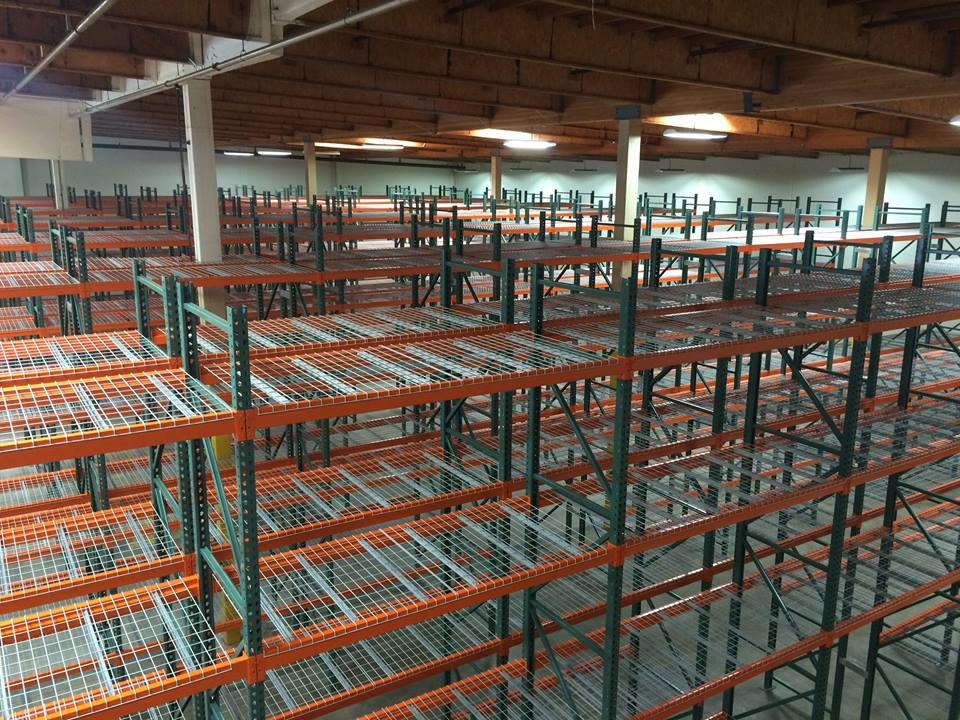
Every pallet reachable, every time. The baseline we size everything else against.
View details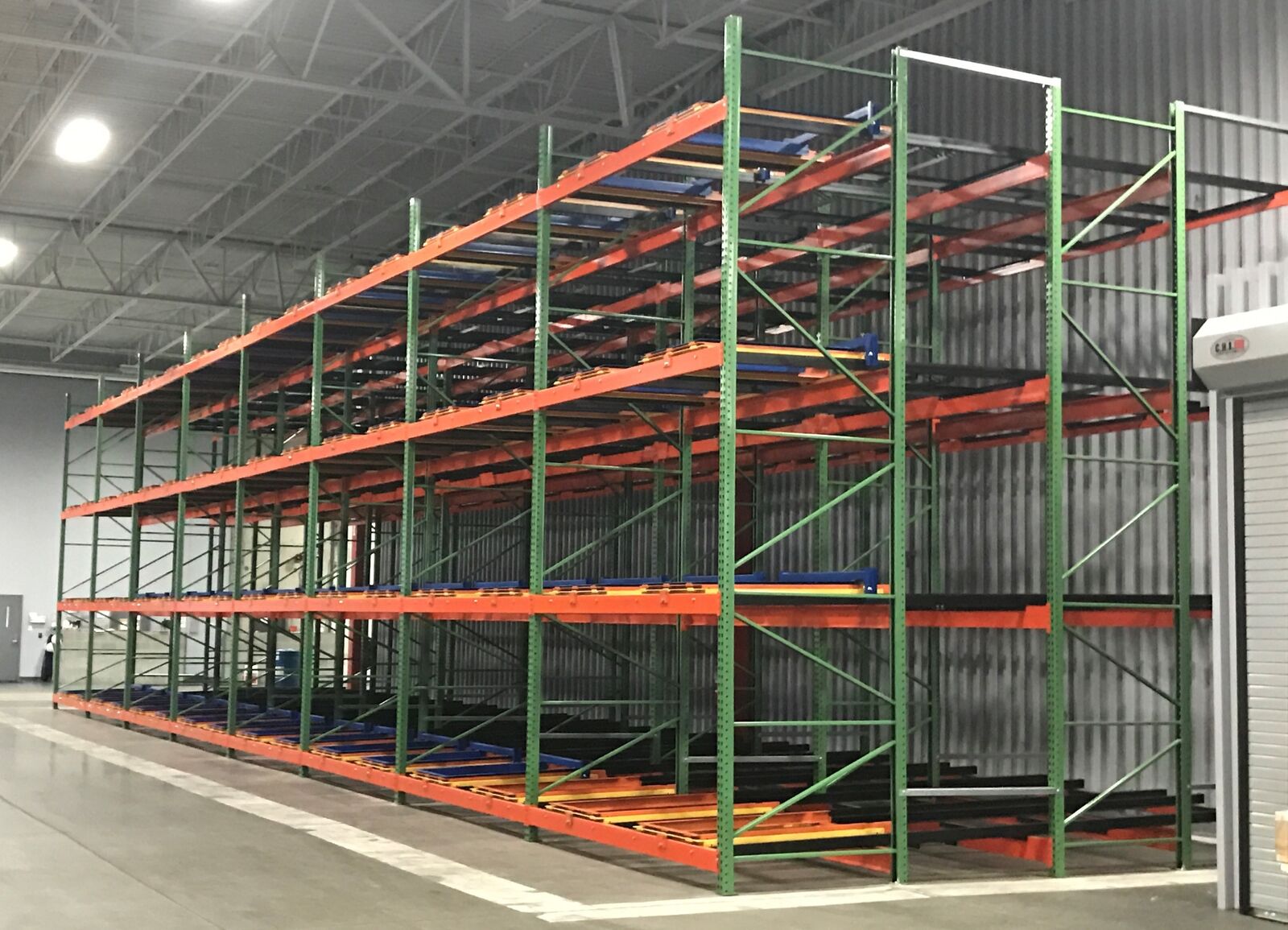
Pushback Rack
Two to six pallets deep from one aisle, without giving up much reach.
View details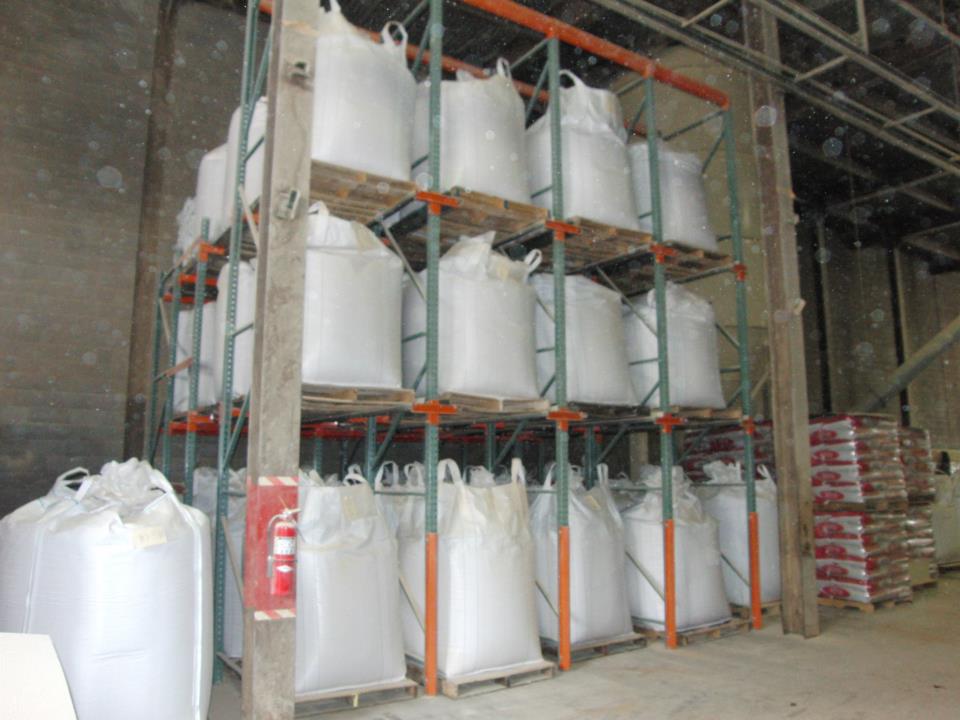
Drive-In Rack
No aisles. The forklift enters the structure, and the floor holds more pallets per square foot than any other system.
View details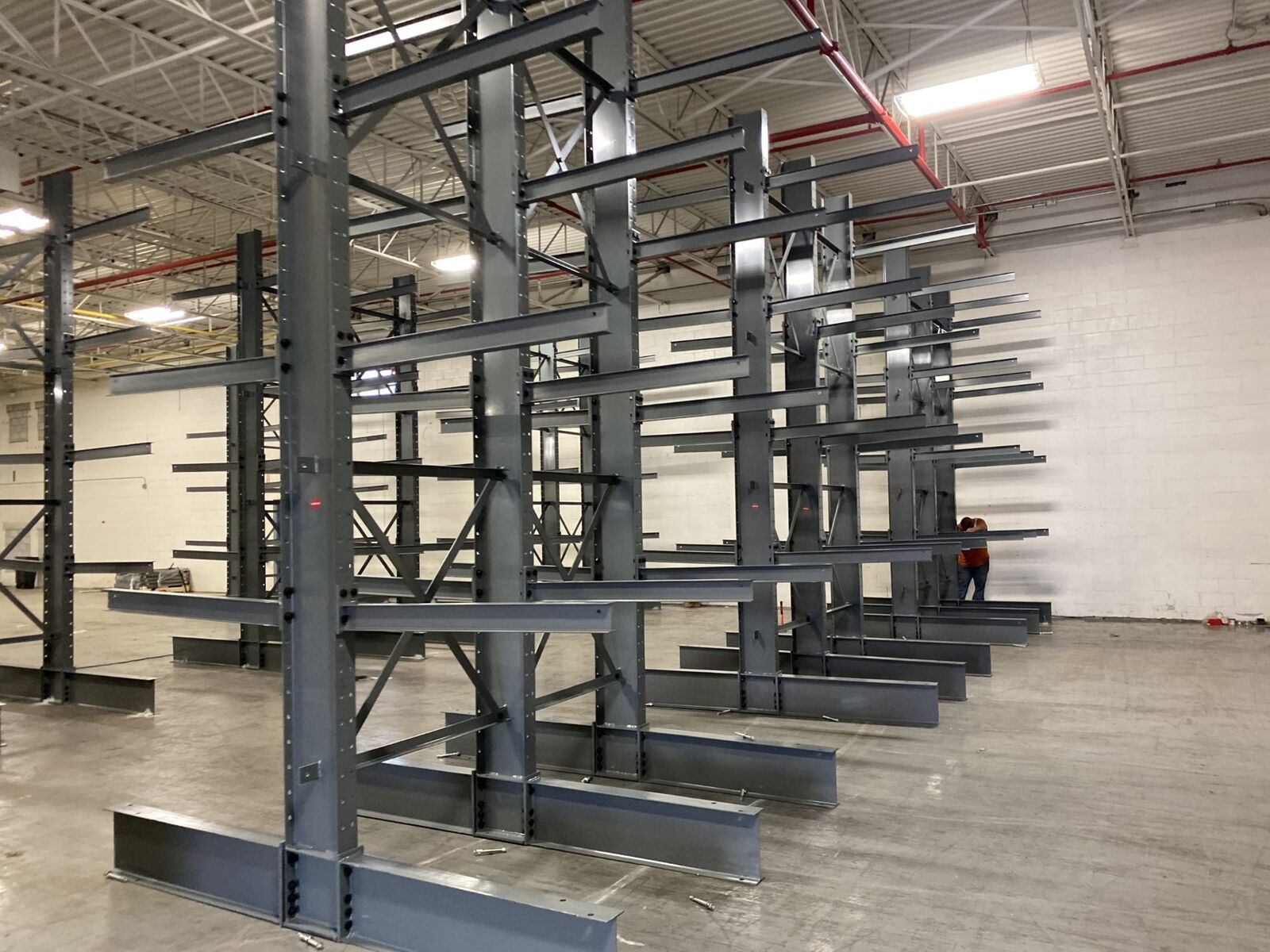
Cantilever Rack
Arms with nothing in front of them, built for lumber, pipe, and anything a pallet can't hold.
View details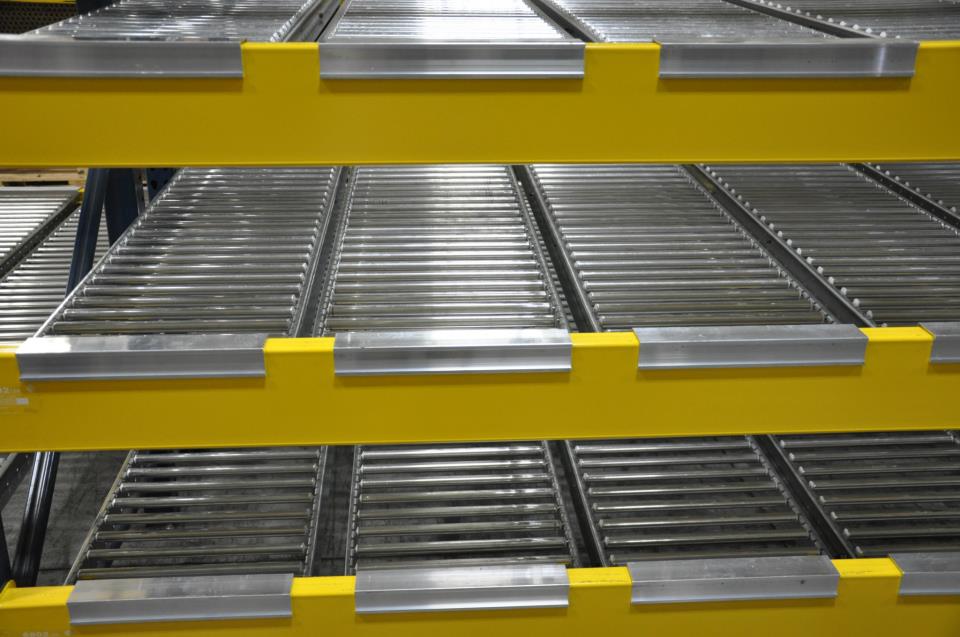
Carton Flow Rack
Cases advance to the picker instead of the picker hunting for cases.
View details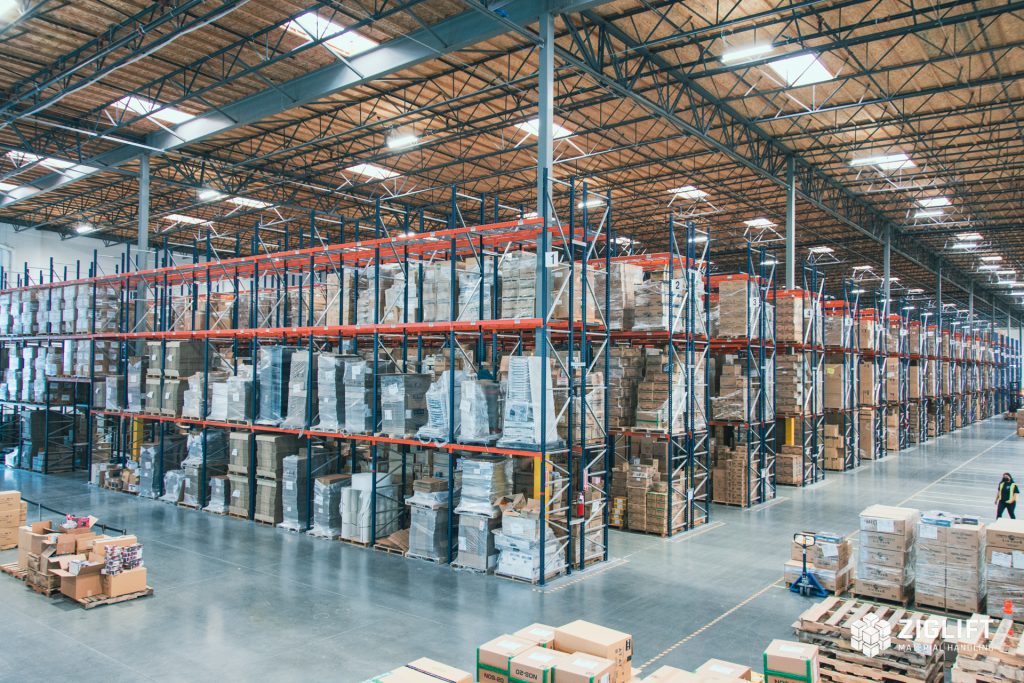
Warehouse Relocation
Move the storage system with a labeled teardown, destination layout, and phased reinstallation plan.
View detailsWhere We Work
Located in Albuquerque, we serve the entire metro and greater New Mexico with industrial pallet racks and warehouse storage solutions.
Albuquerque Pallet Rack
Address
2105 Vista Oeste NW
Suite E #3491
Albuquerque, NM 87120
Phone
(505) 436-7469Business Hours
Monday - Friday: 8:00 AM - 6:00 PM
Saturday: Closed
Sunday: Closed
Discuss Your Inventory Mix
(505) 436-7469