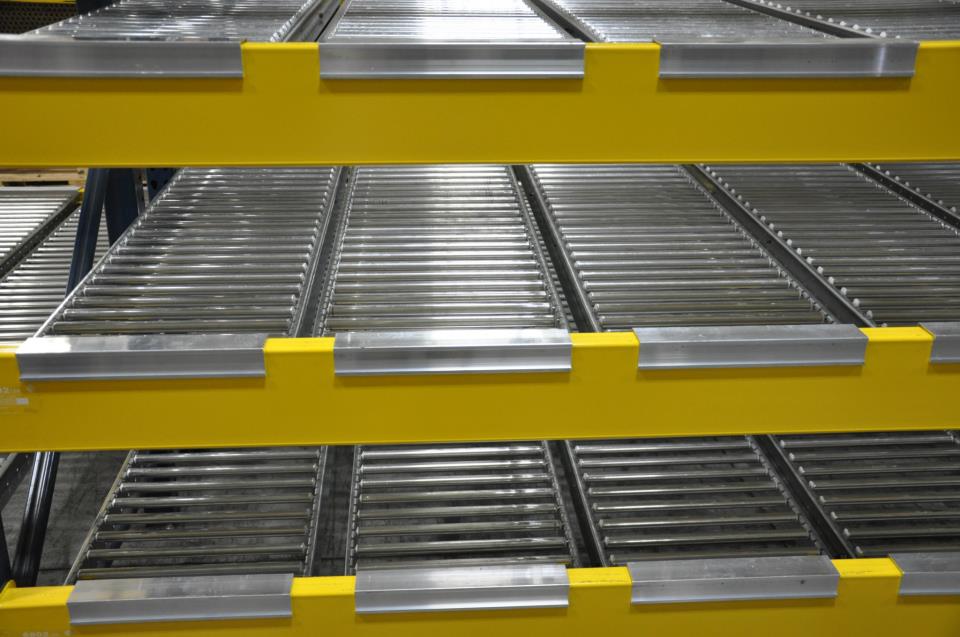
Carton Flow Rack in Albuquerque, NM
Carton flow rack in Albuquerque puts repeat case picks within reach while keeping replenishment behind the picking face. Inclined roller lanes carry cartons or suitable totes forward under gravity, presenting packages directly at the aisle. Package condition determines whether that movement stays consistent.
For food and beverage distribution in Westside Industrial, receiving volume should inform rear access rather than dictate depth. A facility in the North I-25 Corridor may need a different module arrangement where existing bay dimensions and packing stations constrain the available picking frontage.
Carton Flow Rack Decisions for Mixed Buildings
We begin with the picker’s task: removing whole cases, opening cartons, or taking individual items from totes. Each activity changes presentation height, front restraint selection, and the clearance needed above the container. Faster picking depends on reducing searching and awkward handling, not simply fitting more lanes.
Supplying and installing since 1997, we operate as a division of Warehouse Equipment & Supplies Co. We specify new materials and coordinate scheduled installation with receiving access, occupied pick areas, and the sequence in which inventory can move into completed modules.
A carton flow racking proposal should explain which packages belong together and which require separate tracks. We examine soft carton bases, taped seams, tote feet, and changing case widths before choosing roller spacing. A package that bridges poorly can undermine the entire presentation strategy.

Connect Reserve Stock to Picking
Case Flow Rack Modules and Rear Access
Roller beds sit on an incline inside supported modules. Their pitch must suit the package weight, contact surface, and travel distance; adding slope is not a substitute for selecting appropriate rollers. Front stops retain the waiting cartons while allowing staff to remove the leading package without dragging its neighbors.
Lane widths need room for actual carton variation without encouraging skewing. Adjustable dividers establish separate paths, while roller coverage supports narrow boxes and tote bearing surfaces. Check loaded containers rather than empty samples alone, because flexible bottoms can deflect and introduce friction against adjacent components.
Retrofits into pallet bays require a review of beam spacing, frame condition, attachments, and the combined loading arrangement. Existing reserve storage above the flow modules cannot be assumed compatible. In older mid-clear buildings, vertical picking clearances may govern the configuration before the apparent bay capacity is reached.
With carton flow rack, staff restock from the rear and pick from the front to maintain FIFO within each assigned lane. Separate batch labels remain necessary when a food SKU occupies several lanes. Plan replenishment paths around outbound staging so reserve cartons can reach the back without interrupting order assembly.
Carton Flow Racking Package Review
Record representative packages
Bring the smallest and largest cases, loaded totes, and examples of packaging changes. Record dimensions and operating weights alongside daily pick patterns. This establishes the roller contact requirements and identifies stock that should remain on accessible shelving instead of gravity lanes.
Place the working faces
Mark the front picking aisle and rear replenishment route on the building drawing. Relate both to packing benches and reserve inventory. Test whether routine restocking would cross active order carts before settling the module orientation or lane depth.
Resolve module geometry
Compare proposed widths, divider positions, roller spacing, and presentation heights using the intended packages. Review any pallet bay conversion with the supporting structure included. Leave deliberate clearance for hands and opened carton flaps where piece picking is part of the work.
Sequence the changeover
Agree work boundaries and stock relocation before installation begins. After assembly, check representative cases traveling from rear loading to front restraint. Review lane identification and exception handling with staff so stalled cartons are addressed without reaching through a loaded queue.
Share Your Case and Tote Range
Albuquerque Pallet Rack
2105 Vista Oeste NW
Suite E #3491
Albuquerque, NM 87120
(505) 436-7469Monday - Friday: 8:00 AM - 6:00 PM
Questions for the Picking Layout
- Which food cases change dimensions between suppliers while retaining the same SKU?
- Can rear replenishment reach the proposed modules without occupying the packing approach?
- Will reserve pallets remain above the lanes, and what combined loading needs review?
Answers for Food Distribution Teams
Review Other Picking Arrangements
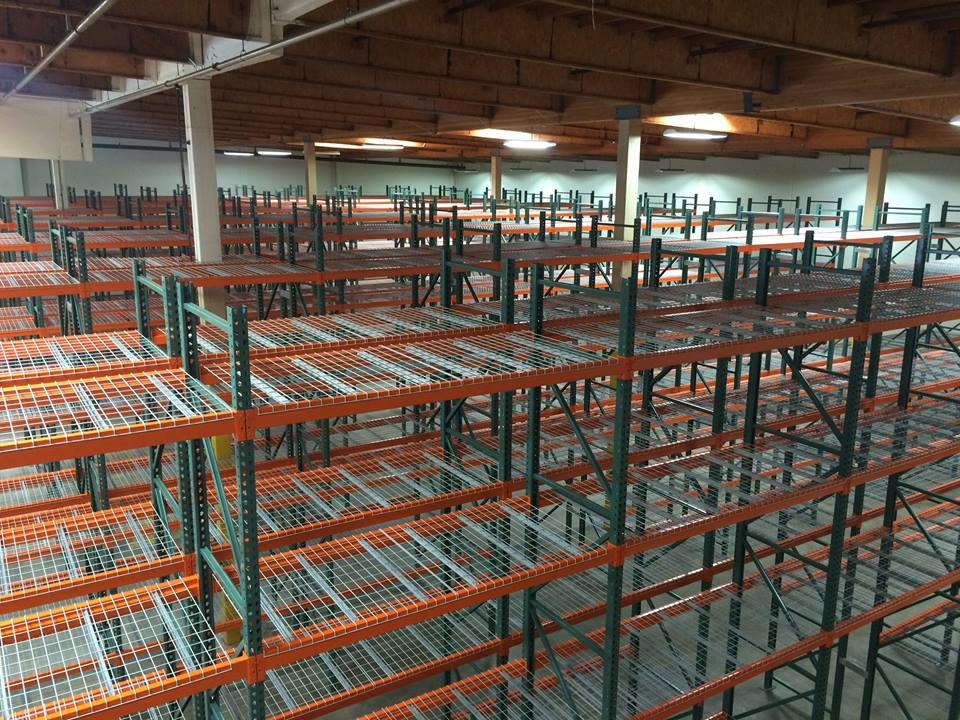
Pallet Rack
Every pallet reachable, every time. The baseline we size everything else against.
View details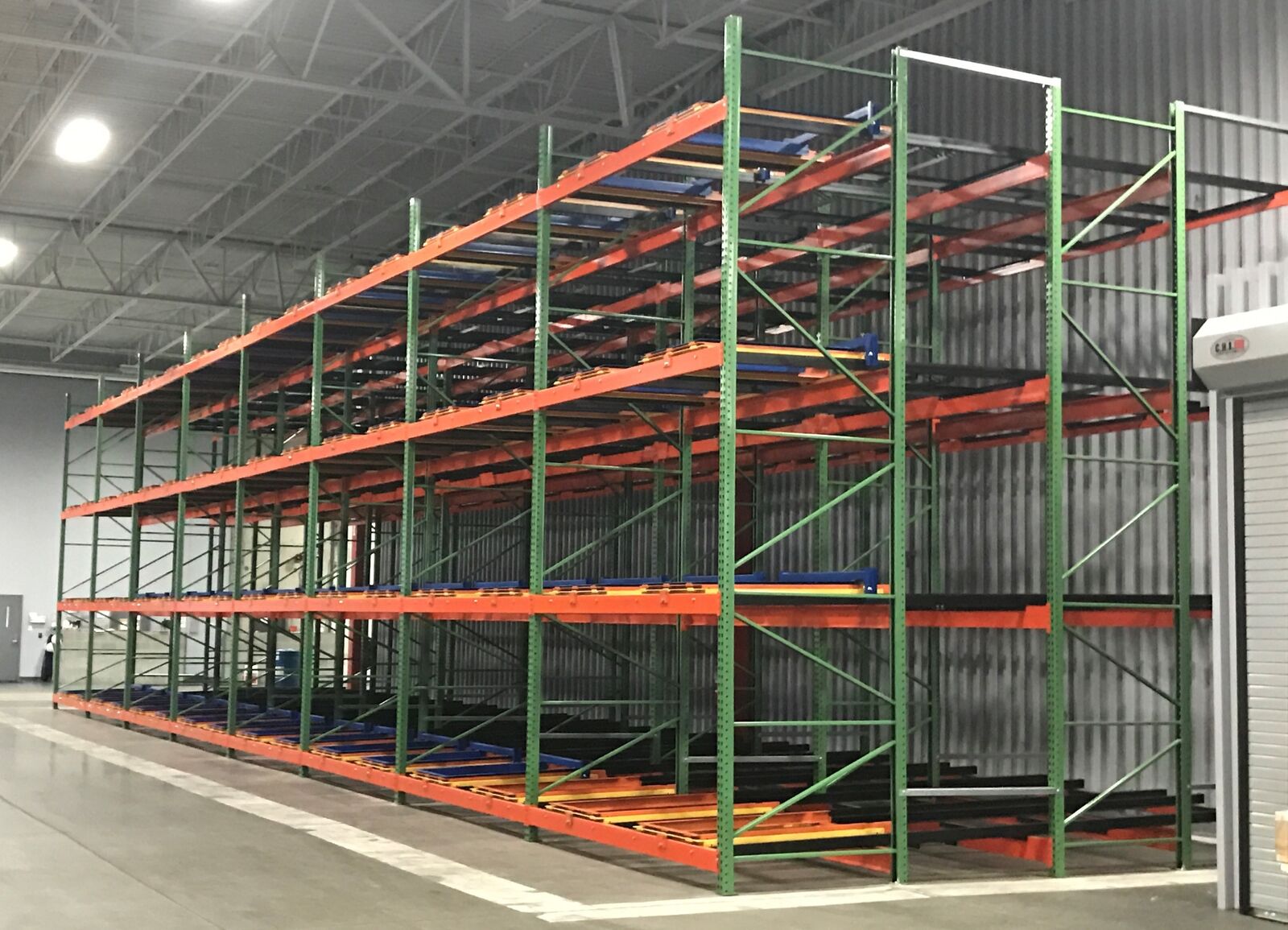
Pushback Rack
Two to six pallets deep from one aisle, without giving up much reach.
View details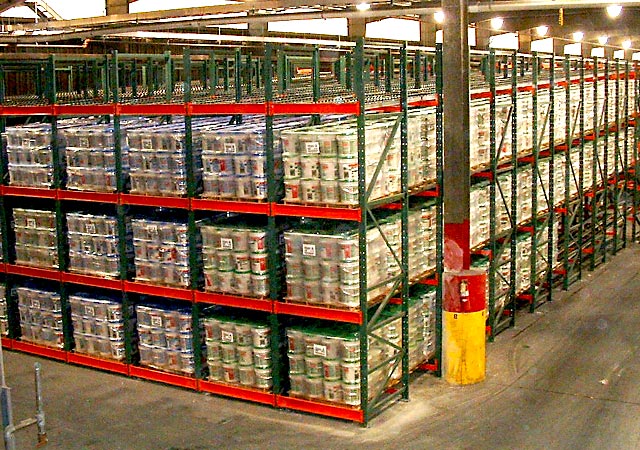
Pallet Flow Rack
Load one side, pick the other, and let gravity enforce first in, first out.
View details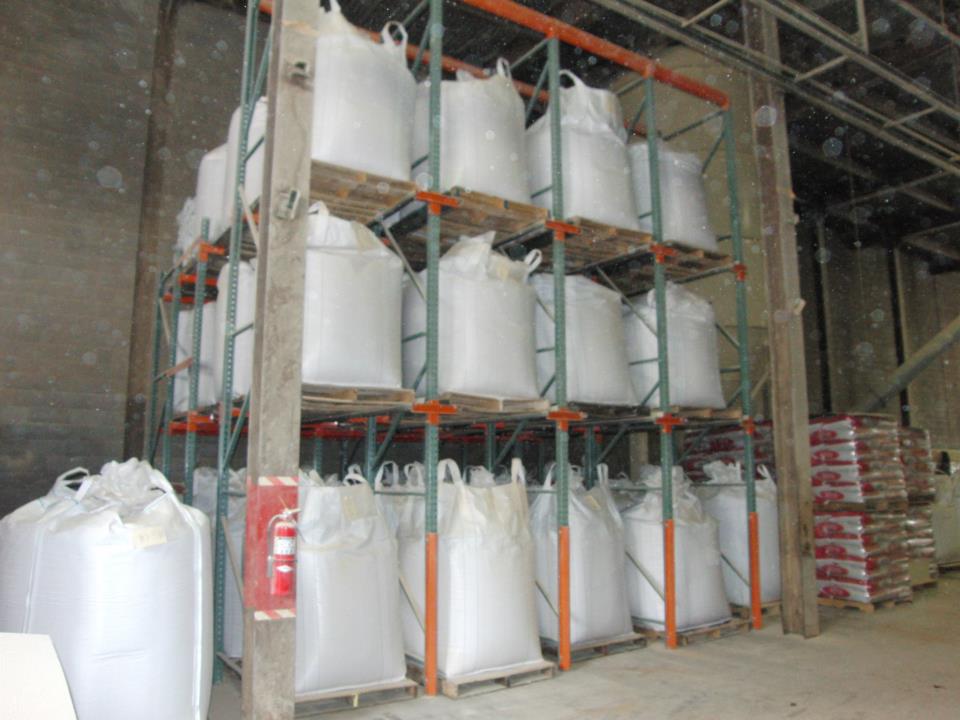
Drive-In Rack
No aisles. The forklift enters the structure, and the floor holds more pallets per square foot than any other system.
View details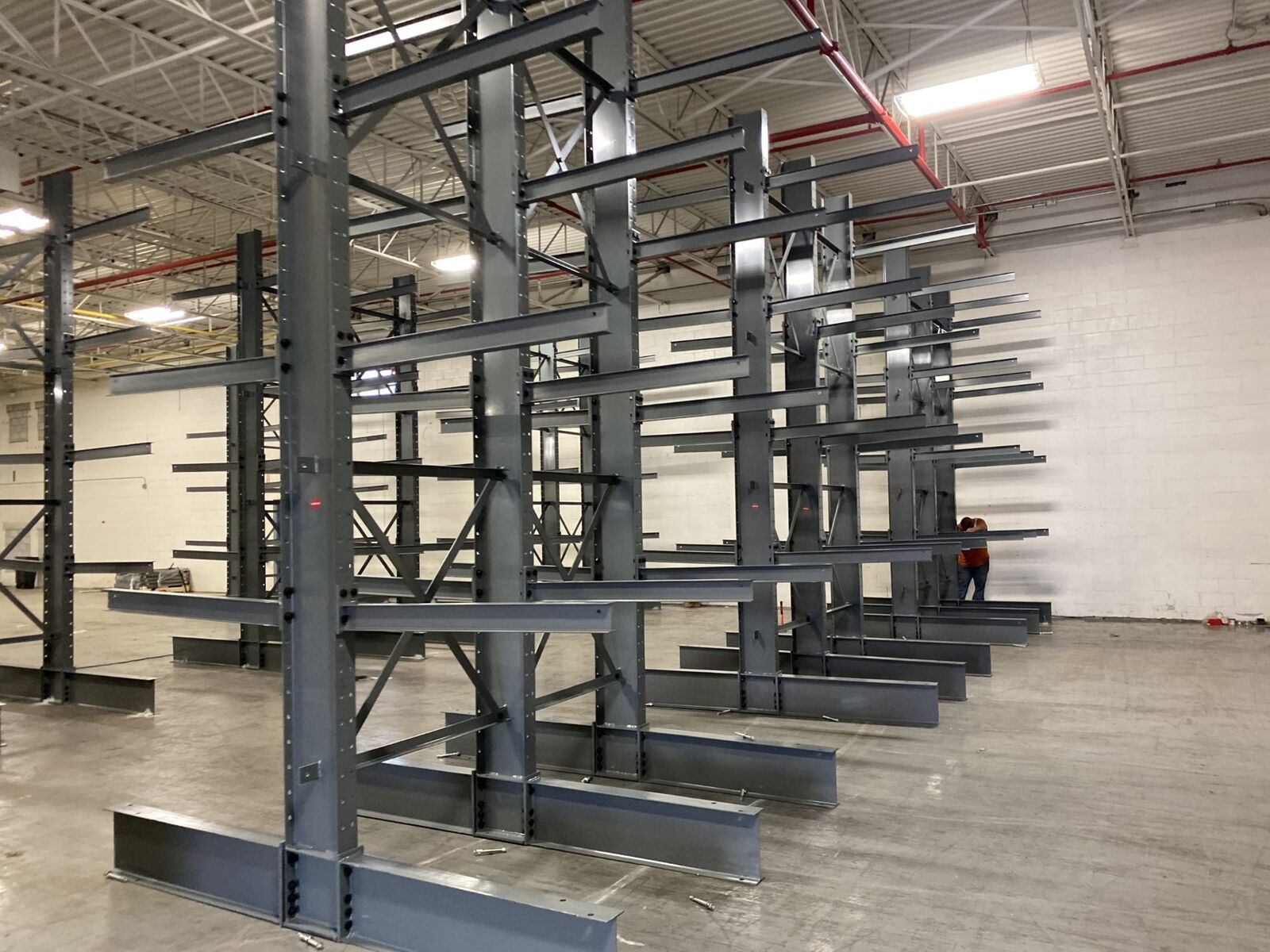
Cantilever Rack
Arms with nothing in front of them, built for lumber, pipe, and anything a pallet can't hold.
View details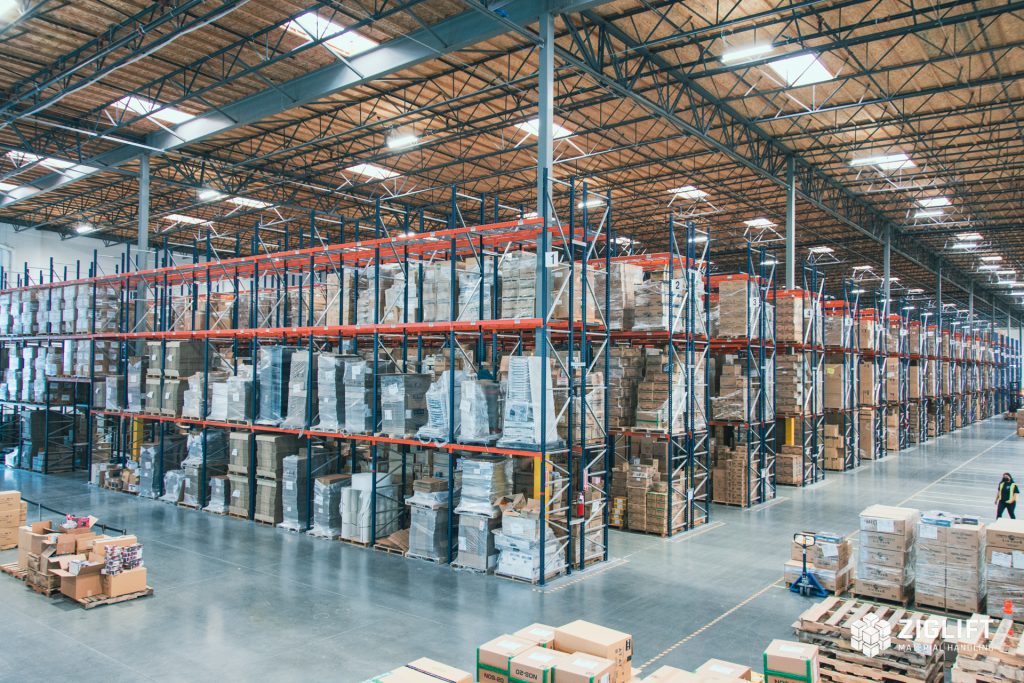
Warehouse Relocation
Move the storage system with a labeled teardown, destination layout, and phased reinstallation plan.
View detailsWhere We Work
Located in Albuquerque, we serve the entire metro and greater New Mexico with industrial pallet racks and warehouse storage solutions.
Albuquerque Pallet Rack
Address
2105 Vista Oeste NW
Suite E #3491
Albuquerque, NM 87120
Phone
(505) 436-7469Business Hours
Monday - Friday: 8:00 AM - 6:00 PM
Saturday: Closed
Sunday: Closed
Arrange a Package Review
(505) 436-7469