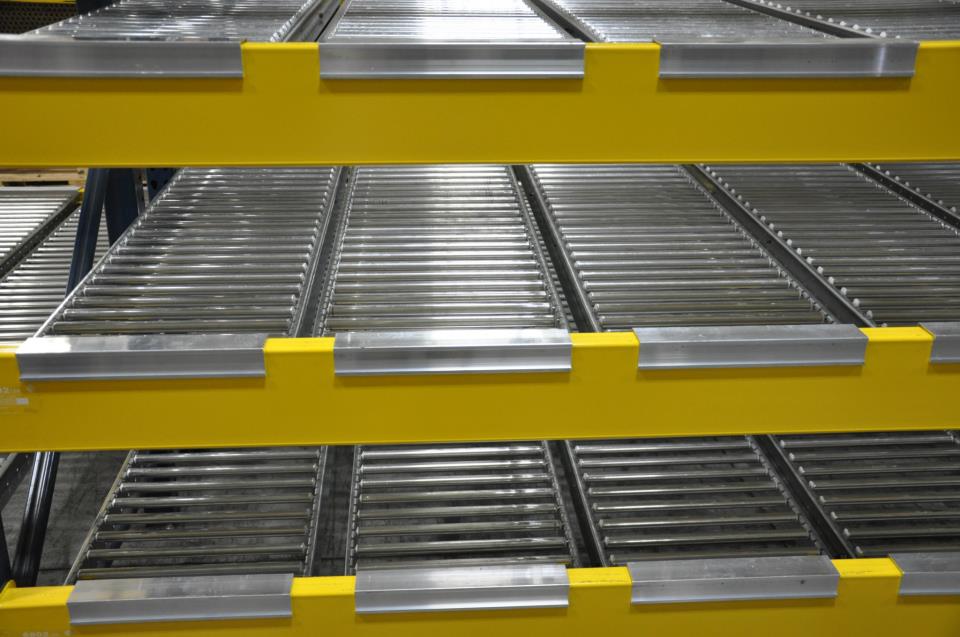
Carton Flow Rack in Belen, NM
Carton flow rack in Belen separates hand-picked cartons from the heavy pallet inventory feeding them. Cases travel along inclined roller lanes toward a front picking position, while replenishment enters behind the queue. The distinction matters: equipment intended for individual packages is not a place to load complete freight pallets.
Rail-served distribution near the BNSF rail corridor may receive large batches that must be broken into manageable picking quantities. Around Camino del Llano industrial, building products operations should assign only suitable packaged parts to gravity modules and retain separate handling arrangements for bulky or irregular materials.
Carton Flow Rack Components for Boxed Parts
Full-width roller beds or arranged roller tracks support the case underside as it moves down an incline. Selection depends on carton stiffness and the distribution of weight, not outside dimensions alone. Concentrated contents and flexible packaging can change roller contact even when two cartons share a footprint.
Dividers keep packages aligned from rear entry to the picking face. Width adjustment should allow normal carton tolerances while discouraging rotation across the track. For building product accessories, separate lanes for narrow fastener boxes and larger packaged fittings can avoid poor support from a single compromise setting.
A pallet bay retrofit introduces flow modules only after the existing structure and proposed loading are reviewed. Measure clear openings, beam elevations, and attachment requirements. Reserve pallet access must remain distinct from hand picking so replenishment tasks do not place people beneath active overhead handling.
Case flow rack supports FIFO by presenting earlier cartons at the front while new receipts enter at the rear. A rail delivery may exceed the lane’s intended quantity; hold the balance in reserve rather than overfilling the track. Batch identification connects that reserve stock to the correct replenishment sequence.
Case Flow Rack Assessment from Reserve to Aisle
Separate bulk from pick stock
List which receipts remain palletized and which become individual case picks. Capture carton weights and the size of each replenishment batch. This prevents the lane plan from treating a large freight receipt as though all of it belongs at the picking face.
Inspect loaded bearing surfaces
Supply representative packaged fittings, boxed parts, or totes with contents. Examine underside seams and unsupported areas alongside roller coverage. Evaluate how the leading carton meets its restraint and whether removal disturbs the packages waiting immediately behind it.
Draw the reserve connection
Trace the trip from reserve storage to rear loading, including any decanting location. Keep lifting equipment movements distinct from employees assembling orders. Select lane depth only after confirming that both working faces have usable approaches during dispatch activity.
Manage placement and checks
Plan installation zones before moving new components into the warehouse. Verify module seating, divider positions, and sample package travel after assembly. Discuss loading limits, batch labels, and the response to a stalled case before transferring the remaining picking stock.
Carton Flow Racking for Freight-Fed Picks
Our review connects reserve handling to the carton actually lifted by an employee. Package weight, grip, and presentation height influence whether a lane belongs near waist level or elsewhere in the module. Heavy cartons need a deliberate handling method rather than an assumption that gravity makes lifting easier.
As a division of Warehouse Equipment & Supplies Co., our team has been supplying and installing since 1997. New materials are selected for the agreed arrangement, with managed installation coordinated around reserve stock movements and the areas that must remain available for dispatch.
We treat carton flow racking as a picking system with defined limits, not an extension of a pallet bay’s apparent strength. Existing beams, frames, module connections, and retained overhead storage need joint evaluation. The weight placed on each lane must match its selected components and supporting arrangement.

Separate Freight Handling from Case Selection
Review Your Loaded Cartons
Albuquerque Pallet Rack
2105 Vista Oeste NW
Suite E #3491
Albuquerque, NM 87120
(505) 436-7469Monday - Friday: 8:00 AM - 6:00 PM
Decisions Before Converting a Bay
- Which rail-fed products are picked by carton rather than by complete pallet?
- How will heavy cases be handled at the proposed presentation height?
- Does the existing bay support the intended modules together with retained reserve inventory?
Practical Answers for Rail-Fed Inventory
Consider Complementary Reserve Storage
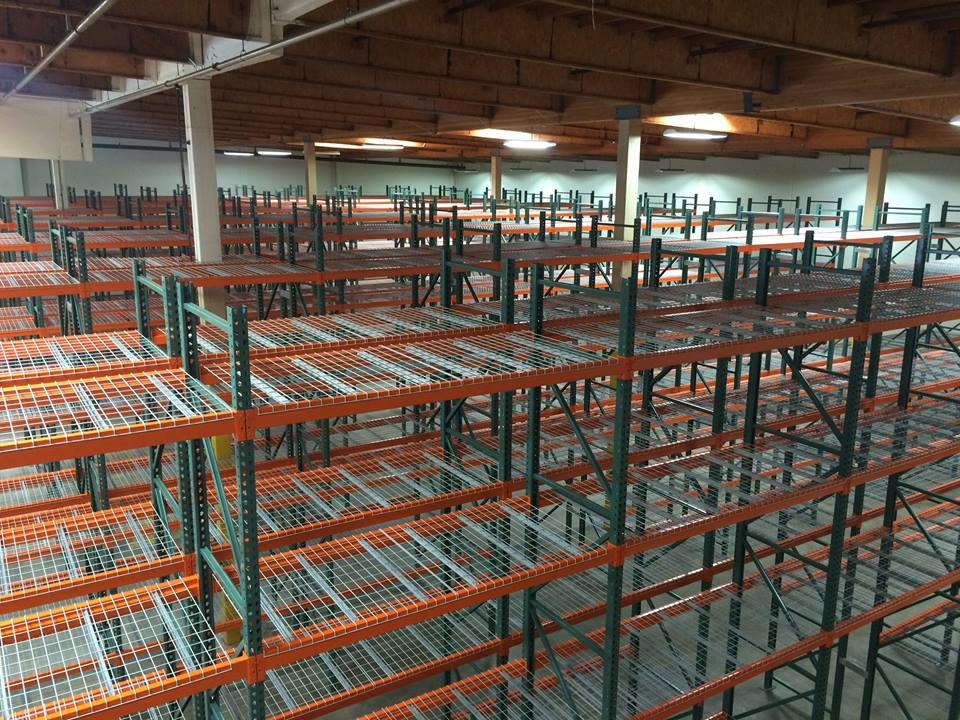
Pallet Rack
Every pallet reachable, every time. The baseline we size everything else against.
View details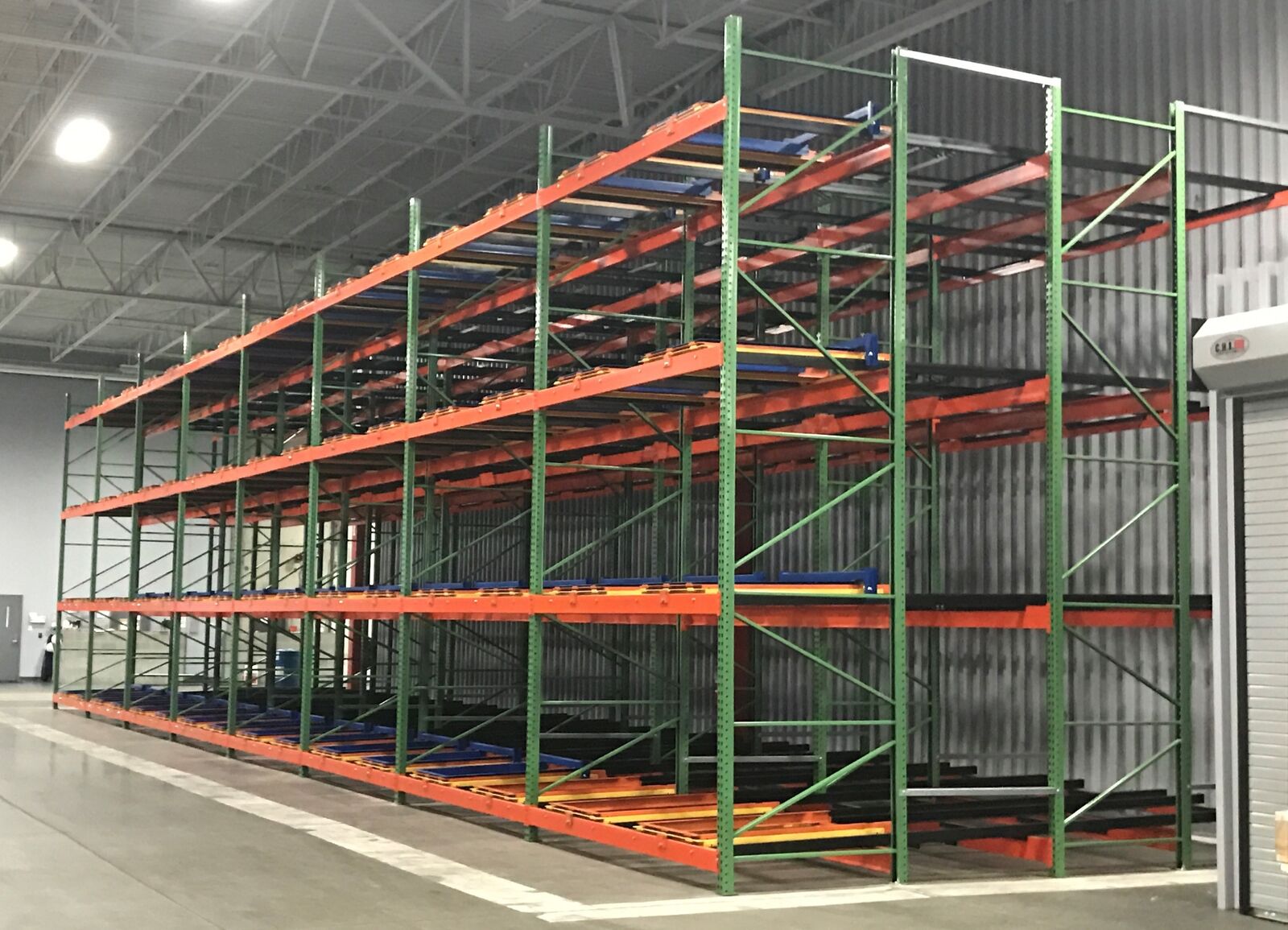
Pushback Rack
Two to six pallets deep from one aisle, without giving up much reach.
View details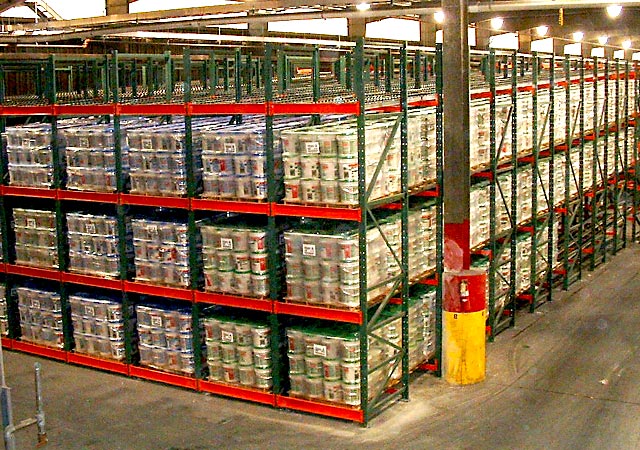
Pallet Flow Rack
Load one side, pick the other, and let gravity enforce first in, first out.
View details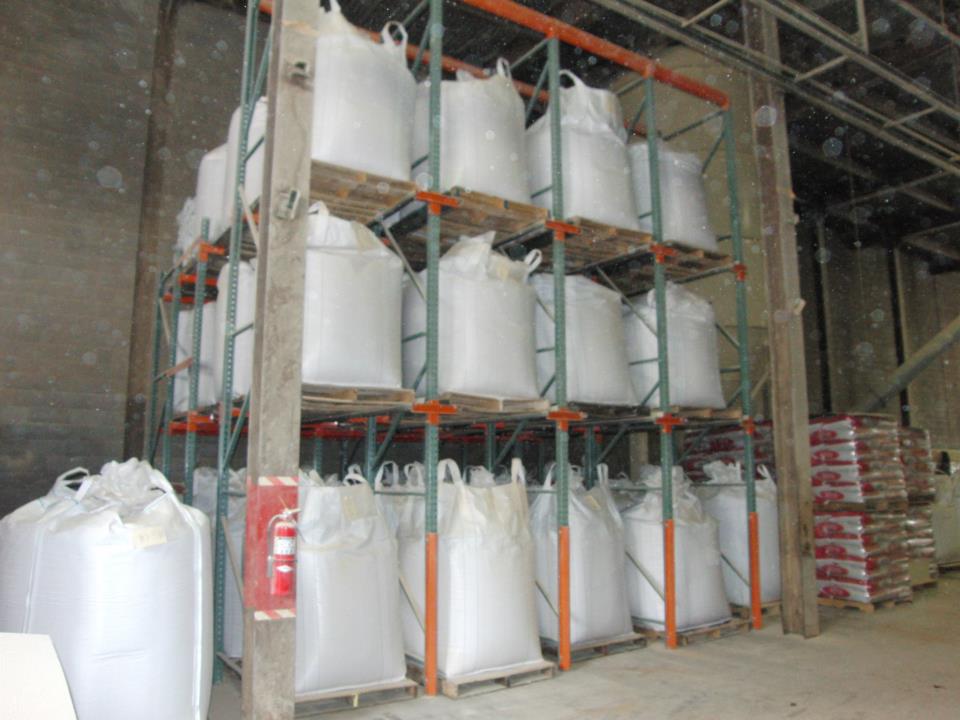
Drive-In Rack
No aisles. The forklift enters the structure, and the floor holds more pallets per square foot than any other system.
View details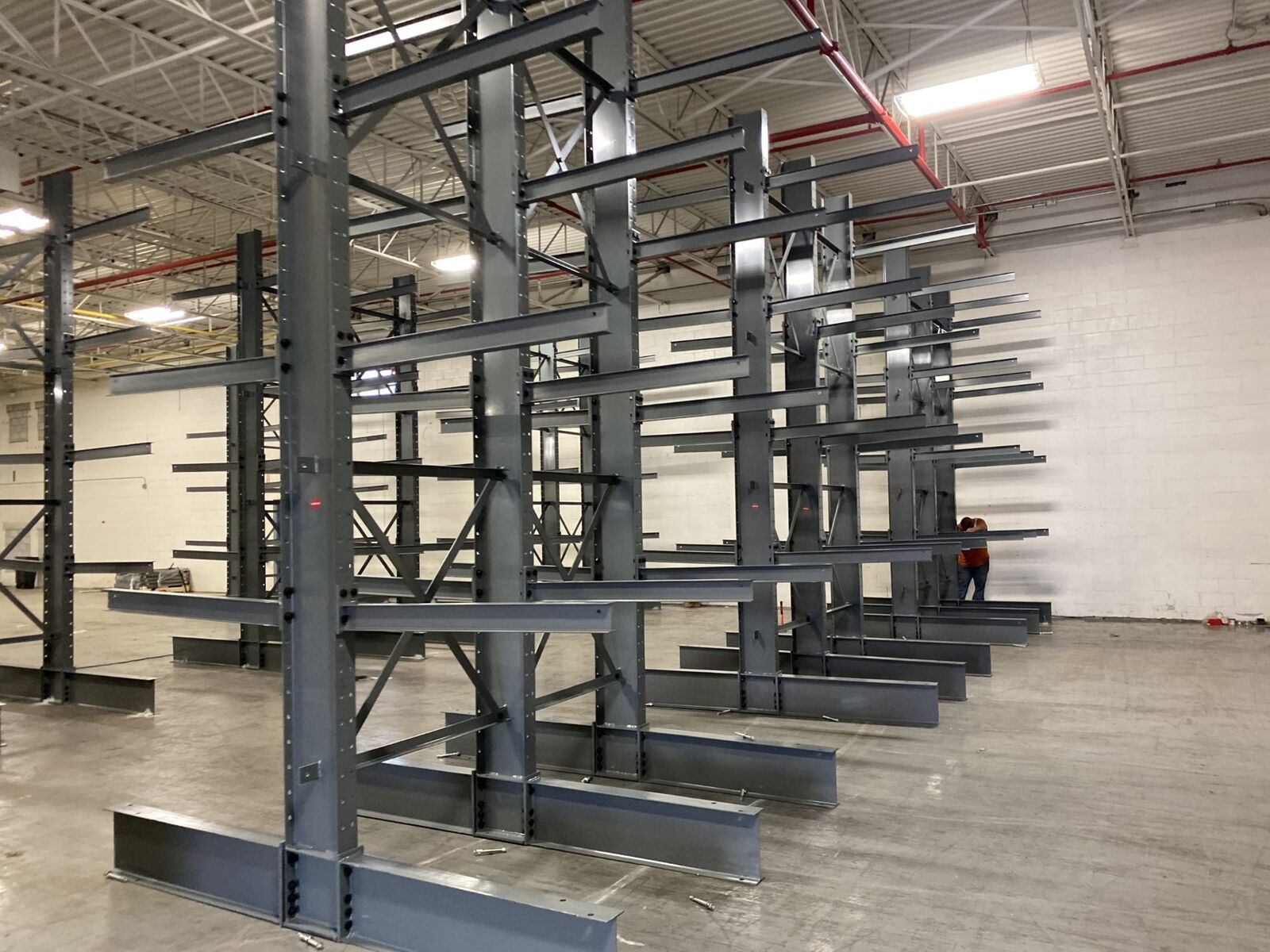
Cantilever Rack
Arms with nothing in front of them, built for lumber, pipe, and anything a pallet can't hold.
View details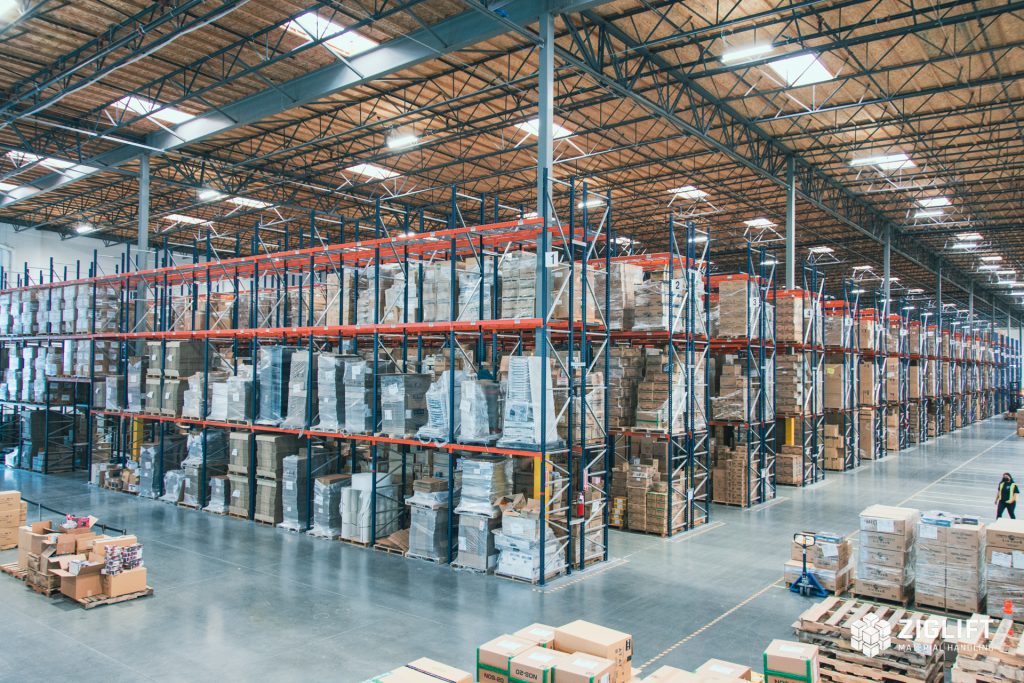
Warehouse Relocation
Move the storage system with a labeled teardown, destination layout, and phased reinstallation plan.
View detailsWhere We Work
Located in Albuquerque, we serve the entire metro and greater New Mexico with industrial pallet racks and warehouse storage solutions.
Albuquerque Pallet Rack
Address
2105 Vista Oeste NW
Suite E #3491
Albuquerque, NM 87120
Phone
(505) 436-7469Business Hours
Monday - Friday: 8:00 AM - 6:00 PM
Saturday: Closed
Sunday: Closed
Start with the Package Weight
(505) 436-7469