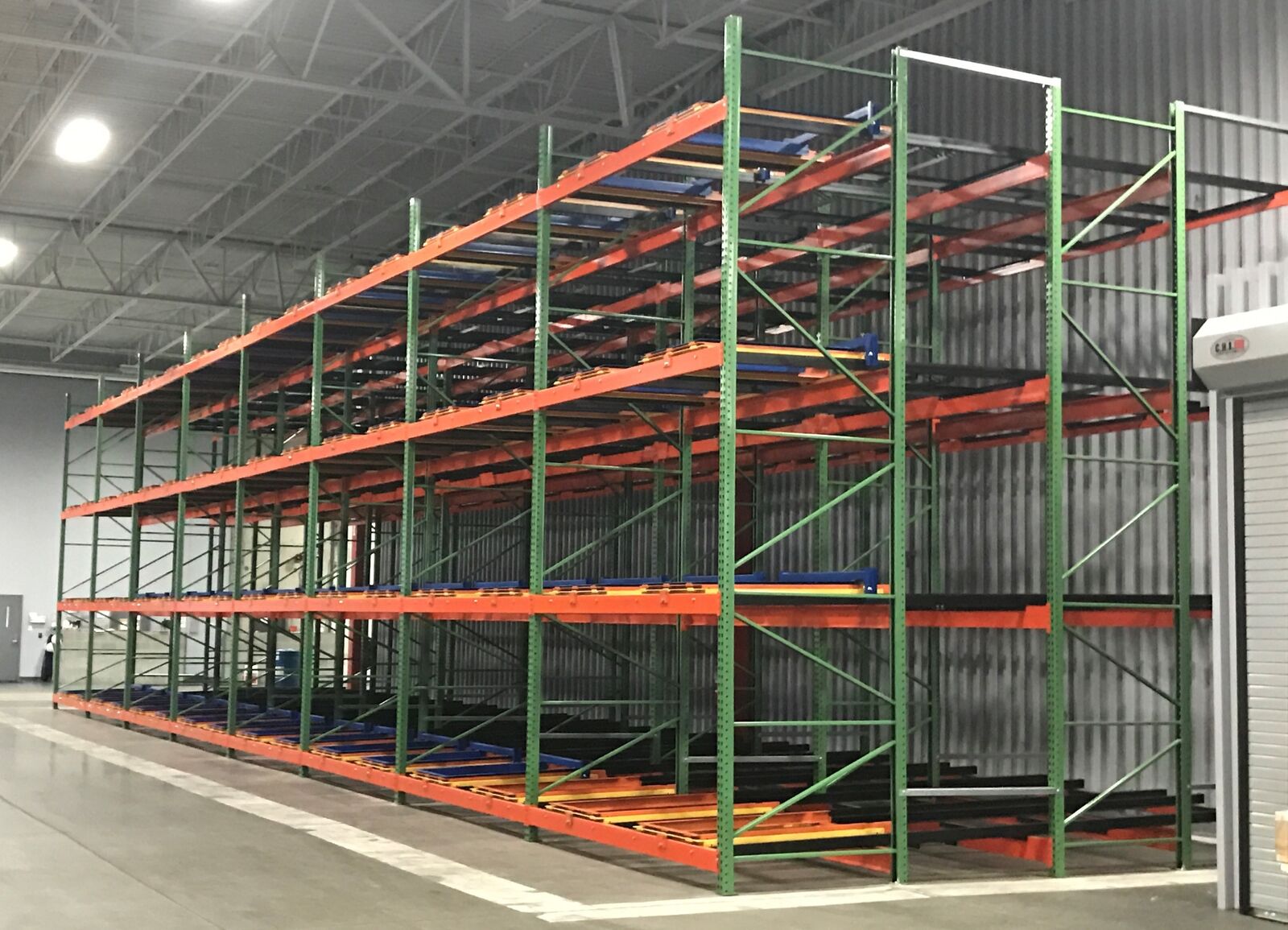
Pushback Rack in Belen, NM
Pushback rack in Belen needs a load-based plan before additional pallet positions are counted. Rail-served distribution near the BNSF rail corridor can bring concentrated receipts, while facilities around Camino del Llano industrial must balance reserve capacity with room to sort incoming goods before putting them into assigned lanes.
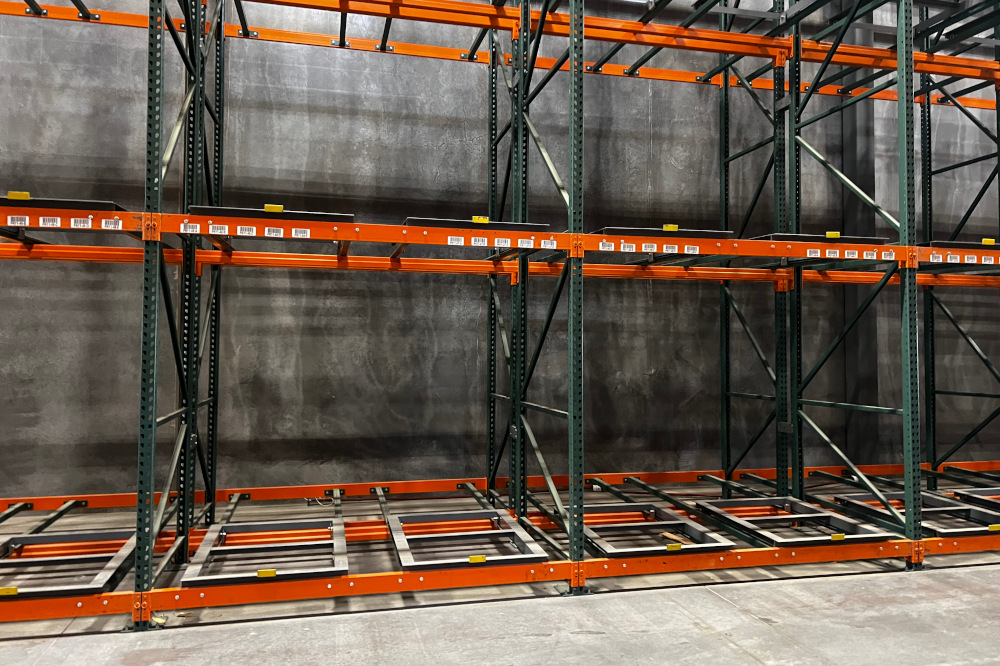
In pushback pallet rack, nested carts travel on inclined rails within the storage structure. The next pallet pushes stored loads rearward; withdrawal from the front lets remaining carts advance by gravity. One working face handles both loading and unloading, so each lane follows last-in, first-out retrieval.
Pushback Rack Capacity and Cart Support
Available arrangements commonly accommodate 2–6 pallets in depth. Compare that choice with sustained pallets per SKU, not just the size of a rail receipt. Several lanes for one commodity can separate lots, while shallower lanes can avoid trapping vacant positions behind a nearly exhausted product allocation.
The beam pair per level needs capacity for the proposed full loading within the selected assembly. Cart weight, pallet placement, frame height, and beam spacing belong in the same review. Heavier unit loads make it particularly important not to borrow a rating from another configuration or rely on visual similarity.
Pallet construction must provide the support the nested carts require. Check underside geometry, footprint, overhang, and load stability against the rail and cart arrangement. Incline and cart design govern return movement; operators need controlled retrieval practices rather than treating a moving queue like static selective storage.
Selective rack offers direct access to individual loads, whereas drive-in typically requires forklift entry into deeper storage blocks. This cart system keeps handling at the aisle face and can use fewer aisles. Existing connection compatibility still needs verification: not every rack is convertible, even where the bay dimensions appear suitable.
Pushback Rack Review for Heavy Loads
We start with actual loaded weights and packaging variation rather than a nominal pallet average. Bulk commodities may arrive with different unit sizes or uneven weight distribution. Identifying those differences helps determine which loads can share a cart arrangement and which require separate storage treatment.
Our team represents a division of Warehouse Equipment & Supplies Co., supplying and installing since 1997. We manage installation crews and coordinate the proposed work area with your receiving needs, without assuming inbound freight can simply be placed wherever space remains.
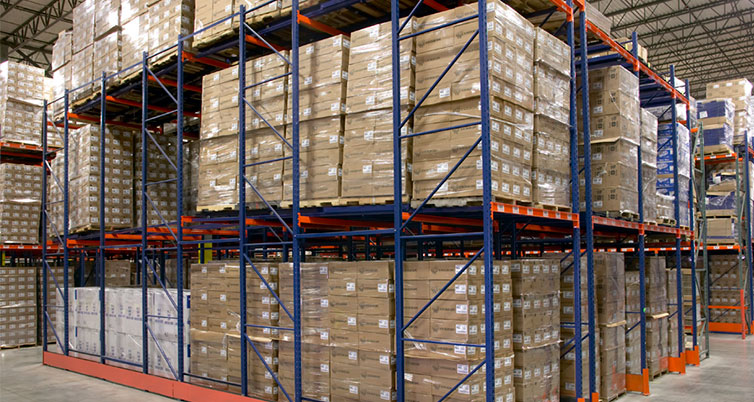
The pushback rack discussion includes operating access as well as structural selection. Concentrated receipts can fill the shared aisle before putaway begins. We map a staging allowance and lane assignment method so a dense storage block does not depend on trucks maneuvering around unallocated freight.
Leave Room for Rail Receipts
Pushback Rack Assessment Process
Establish the weight envelope
Gather actual pallet weights across commodity types, including the heaviest expected units. Record uneven loading and packaging changes so the selected equipment is not based on a single convenient sample or an assumed average.
Allocate receipt quantities
Break inbound lots into SKU counts and intended retrieval groups. Compare those counts with lane depth, leaving room for separate lot identities where the next required shipment would otherwise sit behind newer stock.
Check structural configuration
Document frame height, proposed beam spacing, and the loads carried at each level. Identify existing components where applicable, then assess connection suitability and the complete load path before recommending conversion or a new arrangement.
Organize installation and handover
Use agreed access routes for managed installation crews and preserve designated receiving space. Review lane limits, front-face handling, and escalation for irregular cart travel; personnel should never enter an occupied lane to free a pallet.
Review Your Actual Load Weights
Albuquerque Pallet Rack
2105 Vista Oeste NW
Suite E #3491
Albuquerque, NM 87120
(505) 436-7469Monday - Friday: 8:00 AM - 6:00 PM
Questions Before Assigning Bulk Stock
- What is the heaviest actual pallet within each commodity group?
- How many separately identified lots must remain accessible?
- Can receipt staging stay clear of the retrieval face?
Heavy Inventory Planning Answers
Compare Dense Storage Choices
Pallet Rack
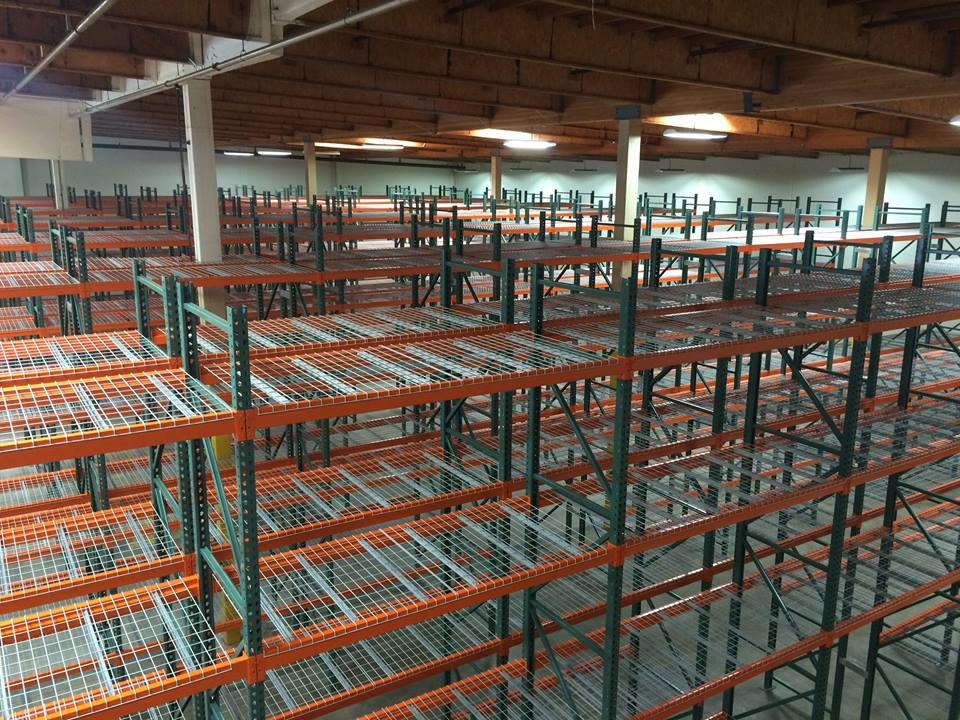
Every pallet reachable, every time. The baseline we size everything else against.
View details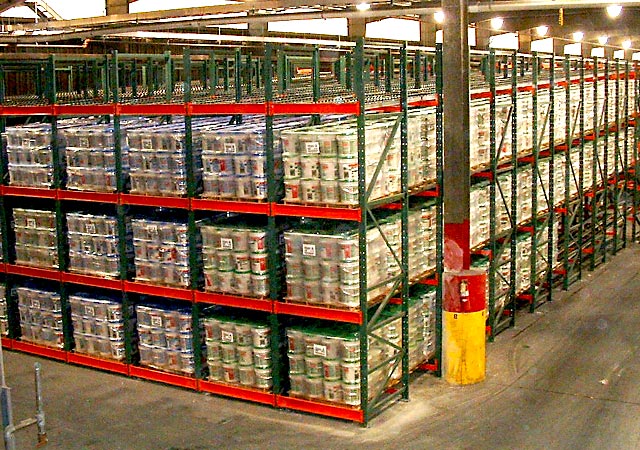
Pallet Flow Rack
Load one side, pick the other, and let gravity enforce first in, first out.
View details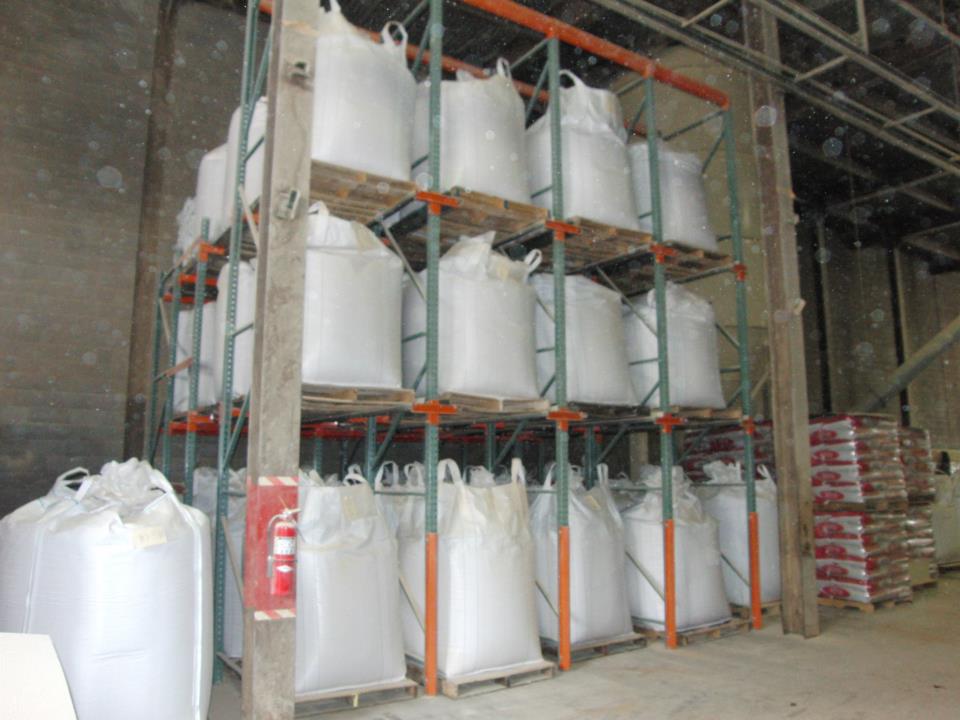
Drive-In Rack
No aisles. The forklift enters the structure, and the floor holds more pallets per square foot than any other system.
View details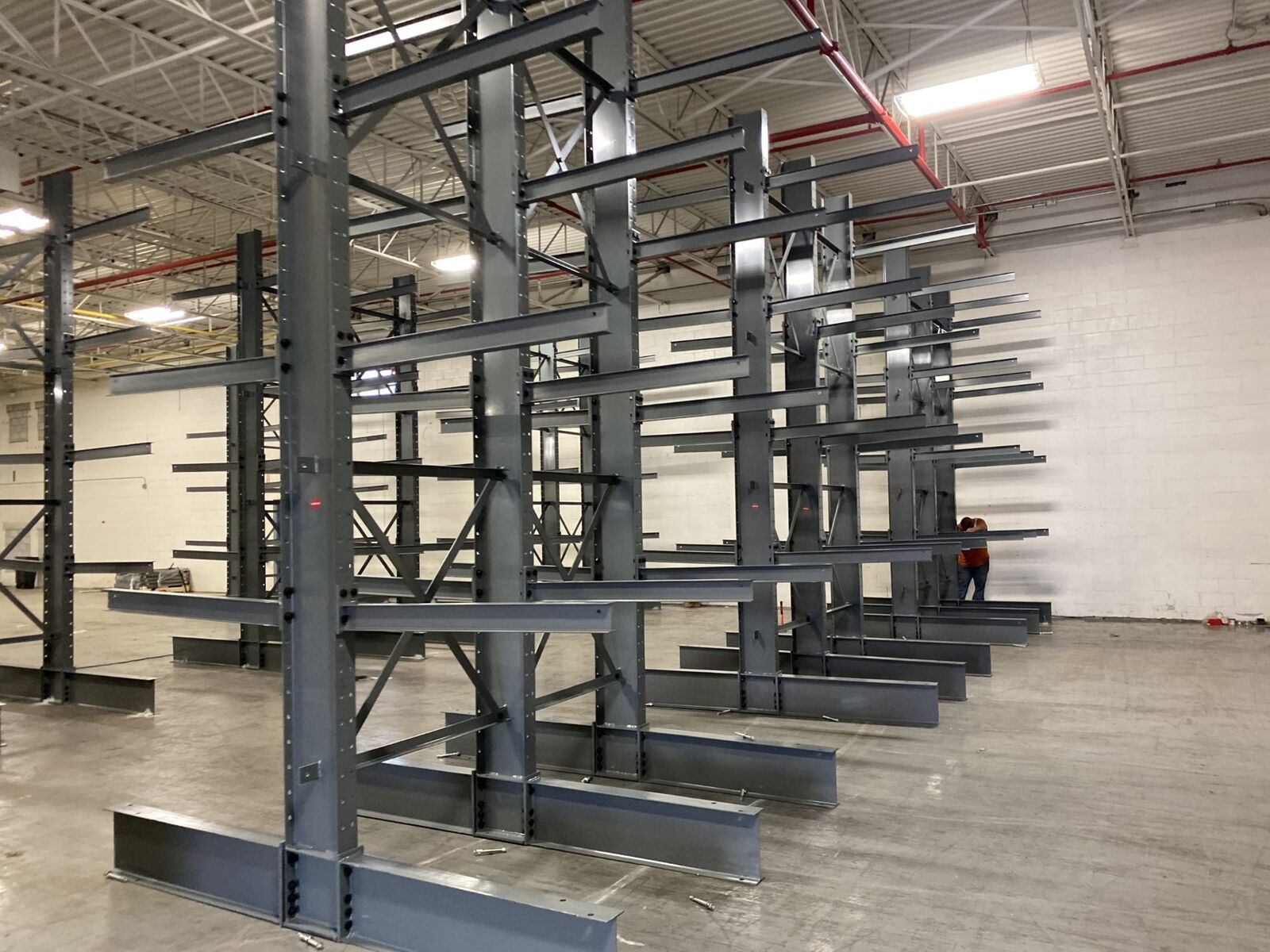
Cantilever Rack
Arms with nothing in front of them, built for lumber, pipe, and anything a pallet can't hold.
View details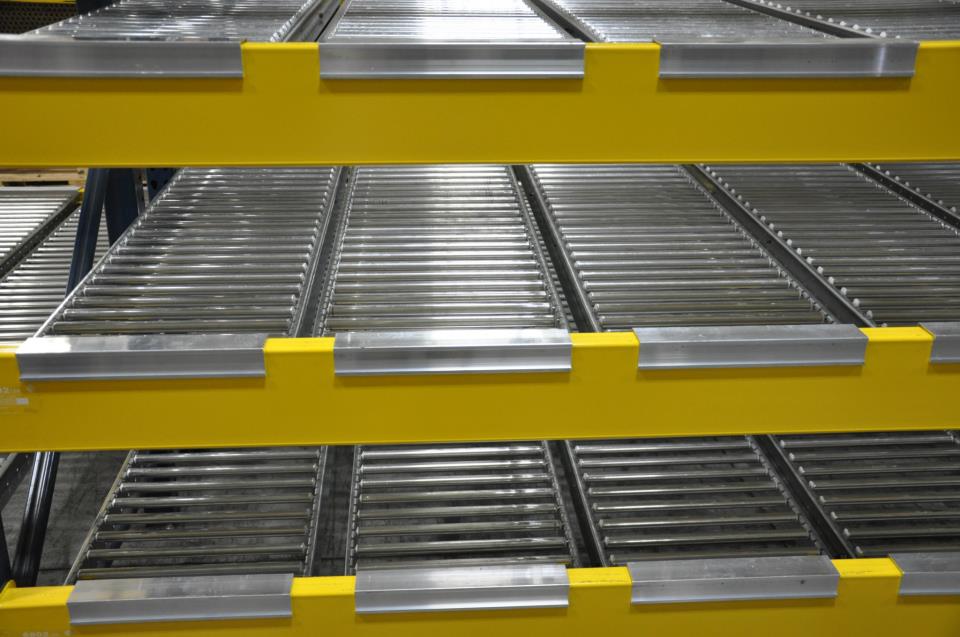
Carton Flow Rack
Cases advance to the picker instead of the picker hunting for cases.
View details
Warehouse Relocation
Move the storage system with a labeled teardown, destination layout, and phased reinstallation plan.
View detailsWhere We Work
Located in Albuquerque, we serve the entire metro and greater New Mexico with industrial pallet racks and warehouse storage solutions.
Albuquerque Pallet Rack
Address
2105 Vista Oeste NW
Suite E #3491
Albuquerque, NM 87120
Phone
(505) 436-7469Business Hours
Monday - Friday: 8:00 AM - 6:00 PM
Saturday: Closed
Sunday: Closed
Start With the Load Schedule
(505) 436-7469