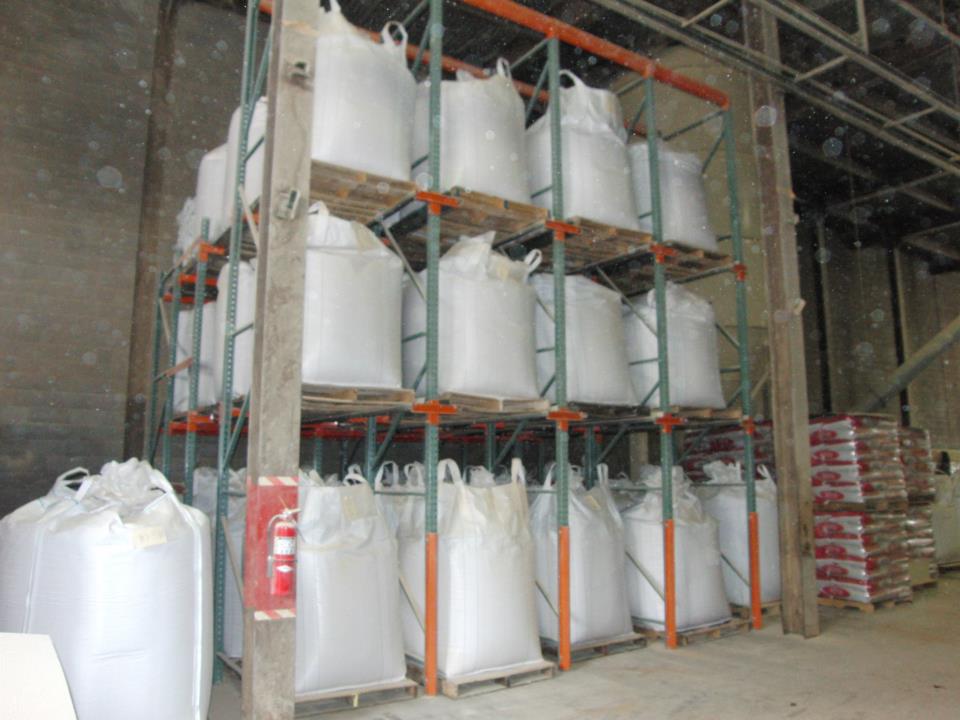
Drive-In Rack in Belen, NM
Drive-in rack in Belen puts deep pallet lanes to work for bulk inventories that repeat across relatively few SKUs. Among the densest storage options, this arrangement removes many internal access aisles while keeping each lane dedicated to compatible loads. Forklifts enter the storage lanes with tires on the floor; elevated pallets rest on supporting rails.
For rail-served distribution around the BNSF rail corridor, receiving patterns can create large groups of identical pallets. A drive-in pallet rack layout should match those groups without burying smaller orders behind unrelated material. Building products operations near Camino del Llano also need rail support and rated capacities based on actual load weights.
Drive-In Rack Lanes, Rails, and Truck Fit
Single entry lanes normally operate last in, first out: the final pallet loaded becomes the first available for retrieval. That suits interchangeable bulk goods better than tightly dated stock. Where opposite ends remain accessible, drive-thru racking can support first in, first out through disciplined loading and picking.
Truck fit includes the forklift body, mast, overhead guard, attachments, turning approach, and loaded operating envelope. Rail guides can assist alignment at lane entry, but they do not replace adequate clearance or operator control. We coordinate guide placement with the truck dimensions and pallet support elevations.
Rail spacing must support the intended pallet base without relying on packaging to bridge an opening. Heavy building material loads deserve particular attention to deflection, load distribution, and pallet condition. Mixed pallet footprints may require separate lane groups instead of a single compromise throughout the installation.
Cold rooms can benefit from concentrated pallet storage because fewer travel aisles leave more space for inventory. Compare pushback when trucks should remain outside the structure: its carts bring pallets forward, while entering deep lanes demands more truck travel and restricts access to buried pallets.
Drive-In Rack Planning for Rail-Fed Inventory
We start with pallet construction, loaded dimensions, and the heaviest intended load rather than assuming every freight shipment behaves alike. Dense storage only earns its footprint when pallets can enter, settle onto both rails, and leave without unstable overhang or repeated handling corrections.
As a division of Warehouse Equipment & Supplies Co., we have been supplying and installing storage systems since 1997. Your scope covers new material only, with installation crews scheduled and managed around agreed access arrangements, receiving activity, and the sequence for releasing storage lanes.
Belen freight operations can face uneven inventory arrivals rather than steady replenishment. We examine peak receipts separately from average occupancy, because a deep lane assigned to a slow mover can strand usable positions while faster moving building products wait outside the storage block.

Keep Freight Staging Connected to Storage
How We Plan Your Drive-In Rack
Profile incoming loads
Share representative pallet sizes, weight ranges, SKU quantities, and rail receiving patterns. We separate stable bulk inventory from products requiring individual selection, then identify which groups can occupy dedicated lanes without creating avoidable retrieval conflicts.
Match lanes and trucks
We review building measurements alongside forklift specifications and available approach space. Proposed depths reflect the number of matching pallets normally held together, while rail elevations account for load height and the truck's lifting requirements inside each lane.
Define the supply scope
Review the proposed arrangement, specified capacities, pallet assumptions, and operating direction before approving material. The proposal identifies new rack components and installation responsibilities so purchasing decisions remain connected to the intended storage method.
Coordinate installation access
Installation crews are scheduled and managed against the agreed work areas and receiving constraints. We coordinate material placement and work sequencing, then review lane assignments, load limits, and entry practices with your designated operating team.
Request a Pallet Storage Proposal
Albuquerque Pallet Rack
2105 Vista Oeste NW
Suite E #3491
Albuquerque, NM 87120
(505) 436-7469Monday - Friday: 8:00 AM - 6:00 PM
Questions Before Setting Lane Depth
- How many matching pallets arrive together from the rail corridor, and how many remain together after outbound orders begin breaking down those receipts?
- Which building product loads have offset weight, damaged pallet bases, or dimensions that could interfere with continuous support along both pallet rails?
- Can your forklift enter a fully occupied lane envelope safely, and is opposite end access worth reserving for inventory requiring first in, first out?
Belen Bulk Storage Buyer Questions
Compare Other Dense Storage Methods
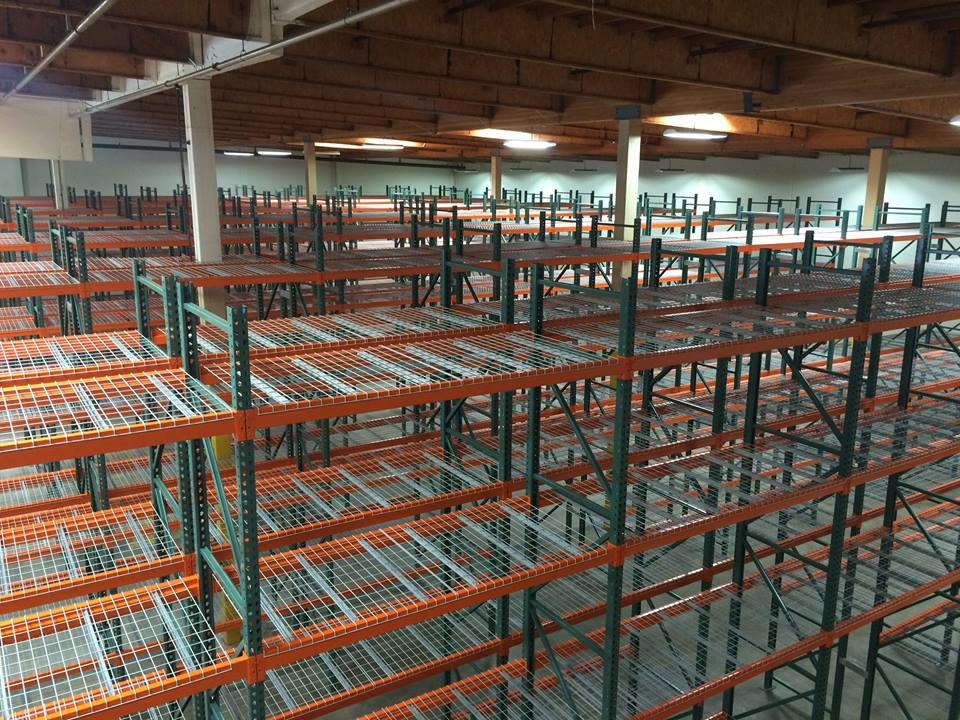
Pallet Rack
Every pallet reachable, every time. The baseline we size everything else against.
View details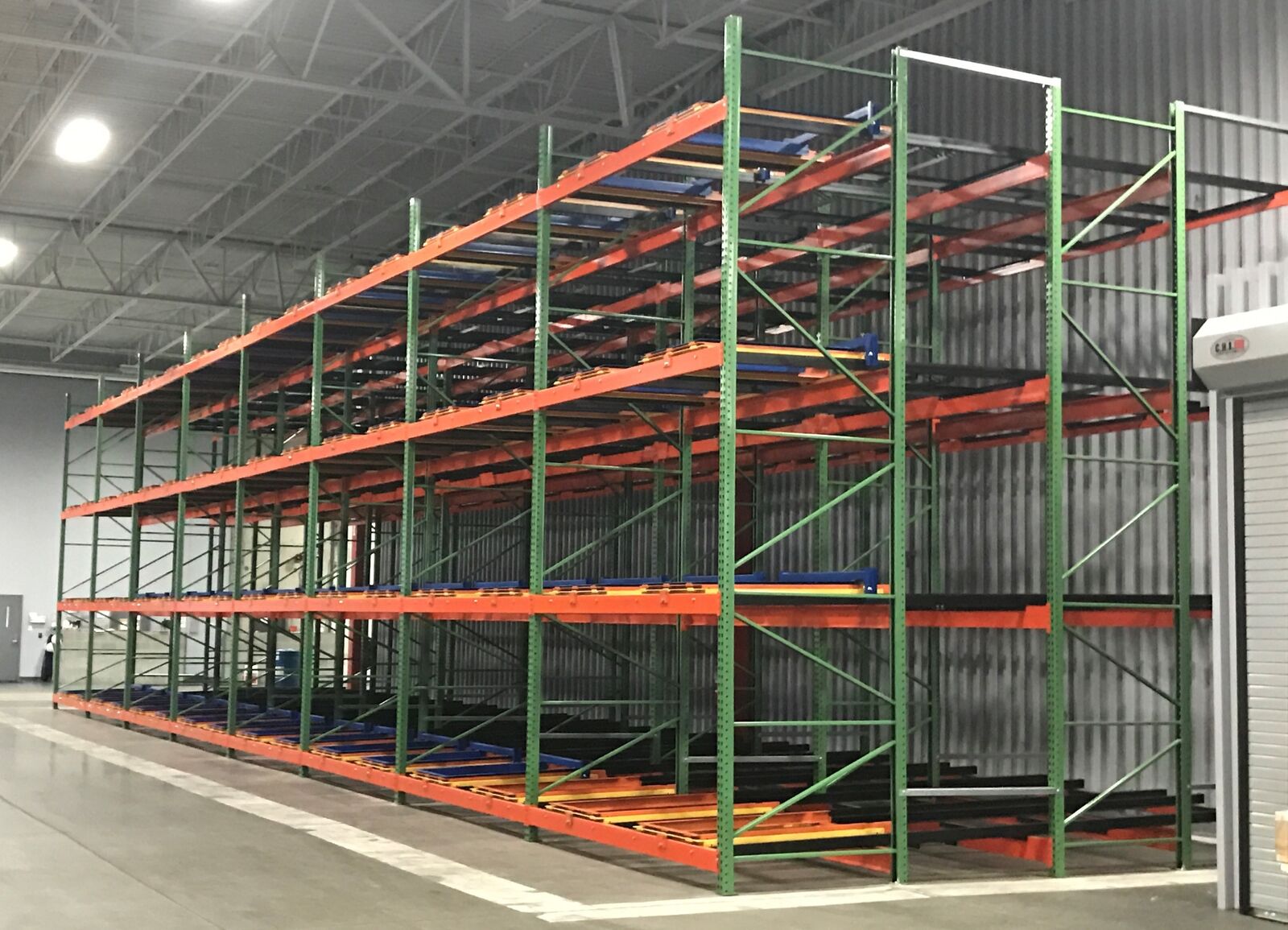
Pushback Rack
Two to six pallets deep from one aisle, without giving up much reach.
View details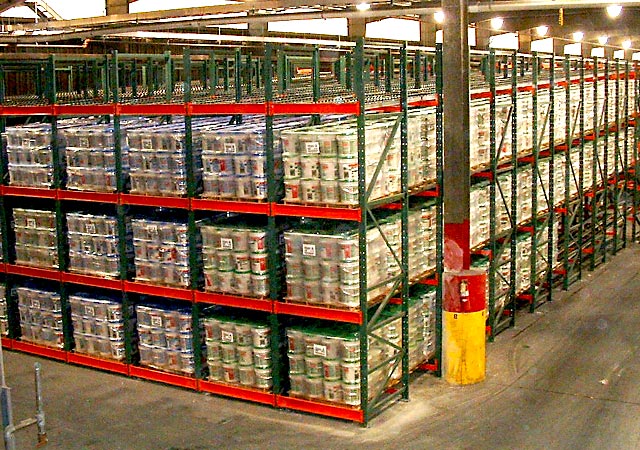
Pallet Flow Rack
Load one side, pick the other, and let gravity enforce first in, first out.
View details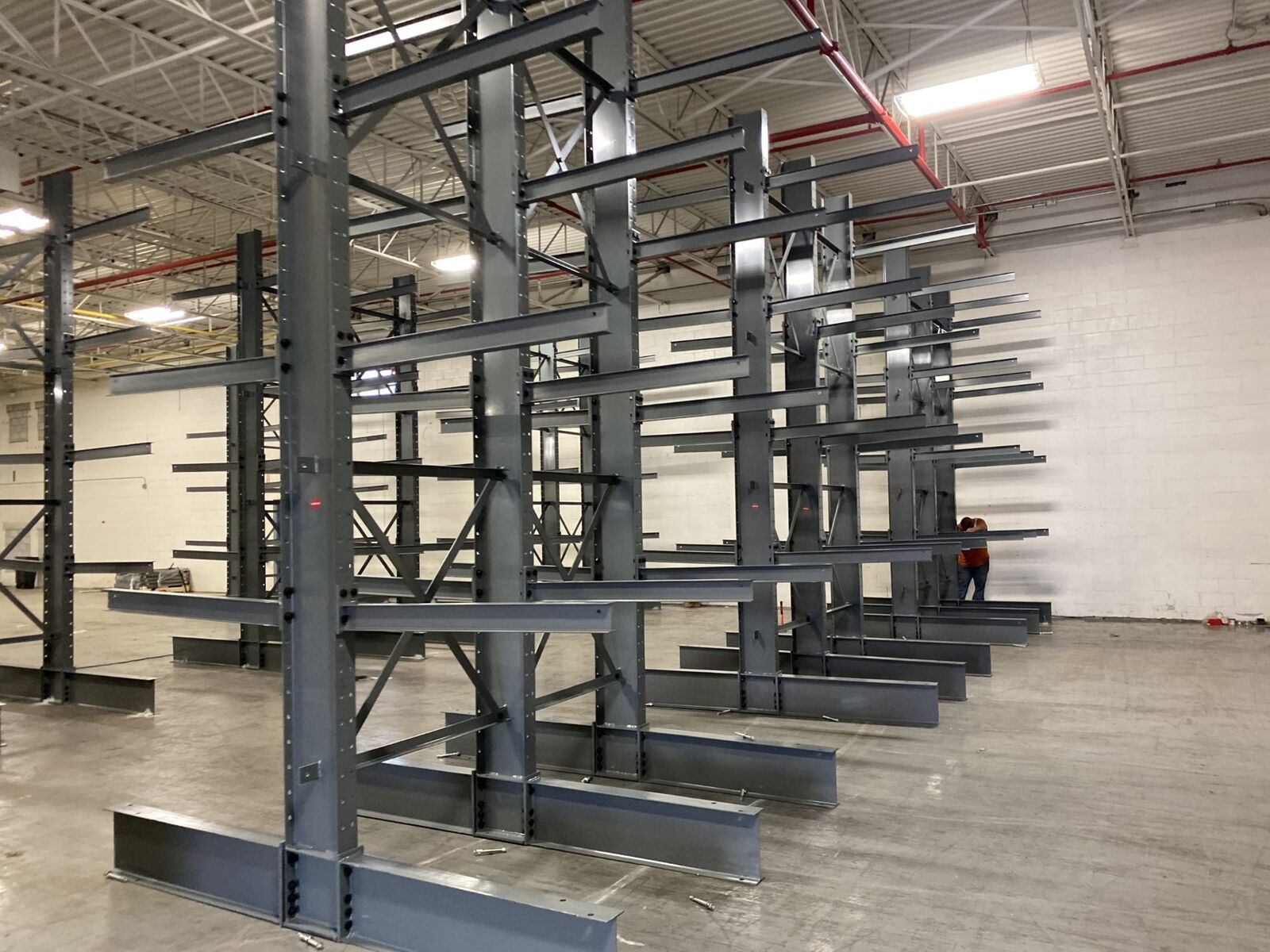
Cantilever Rack
Arms with nothing in front of them, built for lumber, pipe, and anything a pallet can't hold.
View details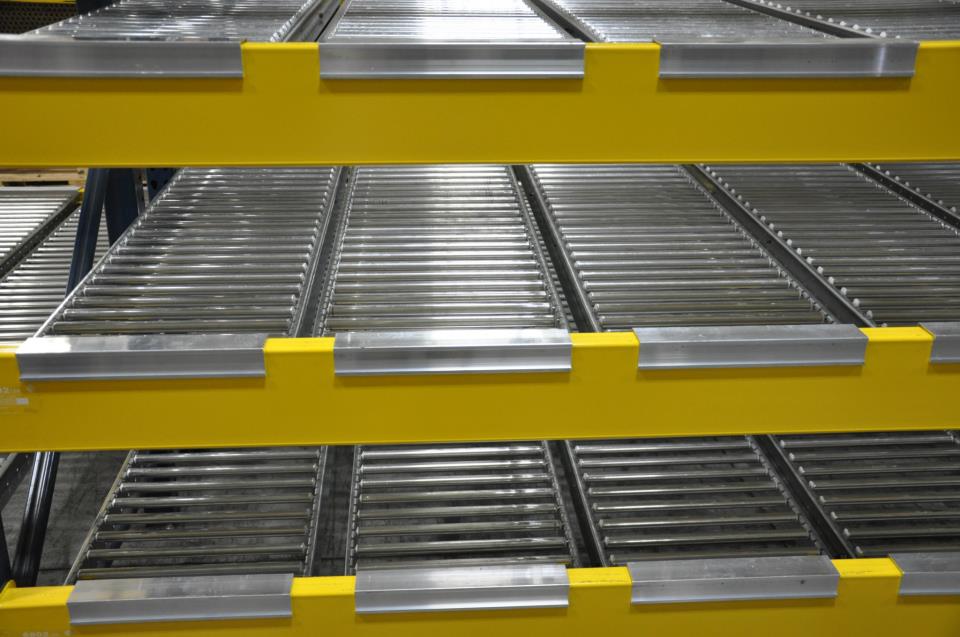
Carton Flow Rack
Cases advance to the picker instead of the picker hunting for cases.
View details
Warehouse Relocation
Move the storage system with a labeled teardown, destination layout, and phased reinstallation plan.
View detailsWhere We Work
Located in Albuquerque, we serve the entire metro and greater New Mexico with industrial pallet racks and warehouse storage solutions.
Albuquerque Pallet Rack
Address
2105 Vista Oeste NW
Suite E #3491
Albuquerque, NM 87120
Phone
(505) 436-7469Business Hours
Monday - Friday: 8:00 AM - 6:00 PM
Saturday: Closed
Sunday: Closed
Talk Through Your Heavy Pallet Requirements
(505) 436-7469