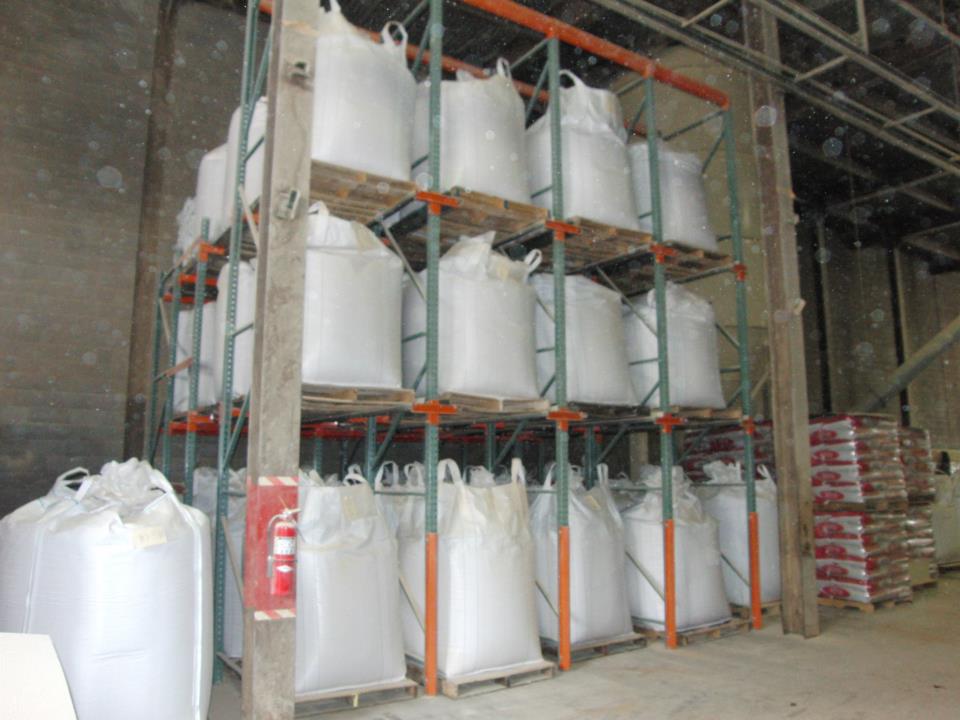
Drive-In Rack in Rio Rancho, NM
Drive-in rack in Rio Rancho can place substantial quantities of matching pallet loads into a compact storage block, preserving separate areas for manufacturing support or order preparation. As one of the densest storage options, it replaces intervening pallet-row aisles with lanes entered by forklifts. The forklift travels with its tires on the floor while stored pallets rest on rails along both sides.
Along Highway 528, semiconductor support and light manufacturing operations should distinguish repeated reserve supplies from items requiring frequent individual selection. Deep lanes favor few SKUs with many pallets, not a broad assortment of small balances. Standard single-entry handling is LIFO; drive-thru racking can enable FIFO through opposing access faces when the building layout and inventory procedures support that movement.
From Inventory Review to Drive-In Rack Installation
Separate reserves from active supply
Identify which pallets feed recurring production or fulfillment demand and which require selective retrieval. Include quantities by product, lot restrictions, receipt sizes, and any planned changes to load presentation.
Confirm the operating envelope
Review building measurements together with actual forklift and pallet information. Establish lane entrances, storage levels, and approach space while preserving the routes designated for internal material transfers.
Examine occupancy and access
Consider how the proposed block behaves when stock falls below its peak. Dedicated lanes should remain useful as products are consumed, rather than leaving scattered positions unavailable to other inventory.
Manage the installation handoff
Coordinate work boundaries and rack material placement with facility staff before installation starts. Review the completed arrangement against agreed lane assignments and explain the intended loading and withdrawal directions.
Drive-In Rack Planning for Manufacturing Reserves
We connect the proposed storage arrangement to replenishment demand instead of treating reserve inventory as a single undifferentiated category. Packaging consumed in repeated production runs may support deeper lanes, while specialized components may not. That distinction helps preserve direct access where production depends on selecting a particular item or lot.
We are a division of Warehouse Equipment & Supplies Co., whose supplying and installing work began in 1997. Your installation crews are scheduled and managed through an agreed sequence, including defined material staging, working areas, and coordination with the people responsible for warehouse access.
The Intel Corridor and Northern Boulevard industrial area include operations with different receiving and internal transfer patterns. We use those local operating contexts to frame questions, not presume identical requirements. Consumer goods reserves and manufacturing support stock need their own lane allocation and replenishment review.

Preserve Routes Between Storage and Production
Drive-In Rack Fit, Support, and Lane Occupancy
A drive-in pallet rack arrangement depends on the complete load envelope, including pallet underside, weight distribution, overhang, and packaging stability. Consistent dimensions allow predictable rail support. Changes in pallet type or load presentation should be evaluated before different supplies are assigned to the same storage geometry.
Forklift compatibility requires checking more than rated lifting capacity. Mast sections, overhead guards, carriage width, and load clearance affect travel inside a lane. Guide rails may assist alignment, but the design still needs sufficient space for controlled entry, lifting, placement, and withdrawal.
Cold rooms holding repeated consumable or food inventory can benefit from fewer internal aisles and concentrated pallet positions. However, stock rotation remains the deciding operational constraint. Lane depth should reflect how batches are consumed, whether partial lanes remain occupied, and which access face staff will use.
Pushback can provide a useful alternative where several reserve products need distinct access while trucks remain in the aisle. Deep-entry lanes may favor larger uniform inventories. Comparing the two requires looking at usable product locations, internal truck travel, and the effect of incomplete lane filling.
Request a Reserve Pallet Storage Proposal
Albuquerque Pallet Rack
2105 Vista Oeste NW
Suite E #3491
Albuquerque, NM 87120
(505) 436-7469Monday - Friday: 8:00 AM - 6:00 PM
Establish Your Reserve Storage Requirements
- Which manufacturing support supplies remain palletized in repeated quantities rather than moving directly into individually selected production locations?
- Will current forklifts fit inside the proposed lanes with loaded pallets supported above their travel and lifting envelope?
- How much reserve inventory remains after a production cycle, and does that remainder justify the selected lane depth?
Rio Rancho Warehouse Buyer FAQs
Compare Deep Lanes With Other Storage Systems
Pallet Rack
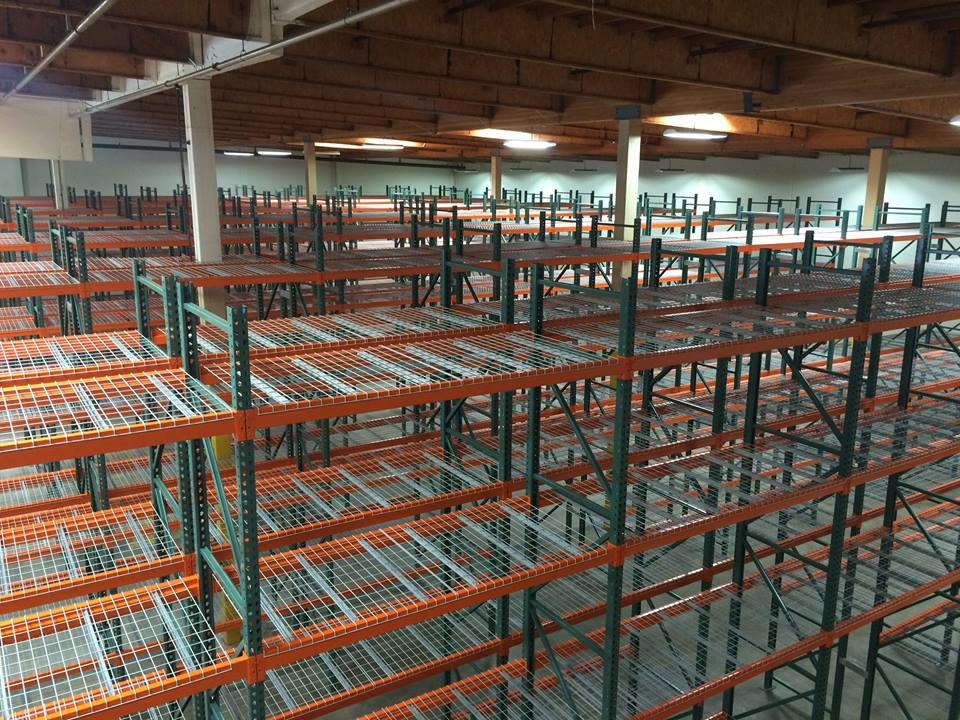
Every pallet reachable, every time. The baseline we size everything else against.
View details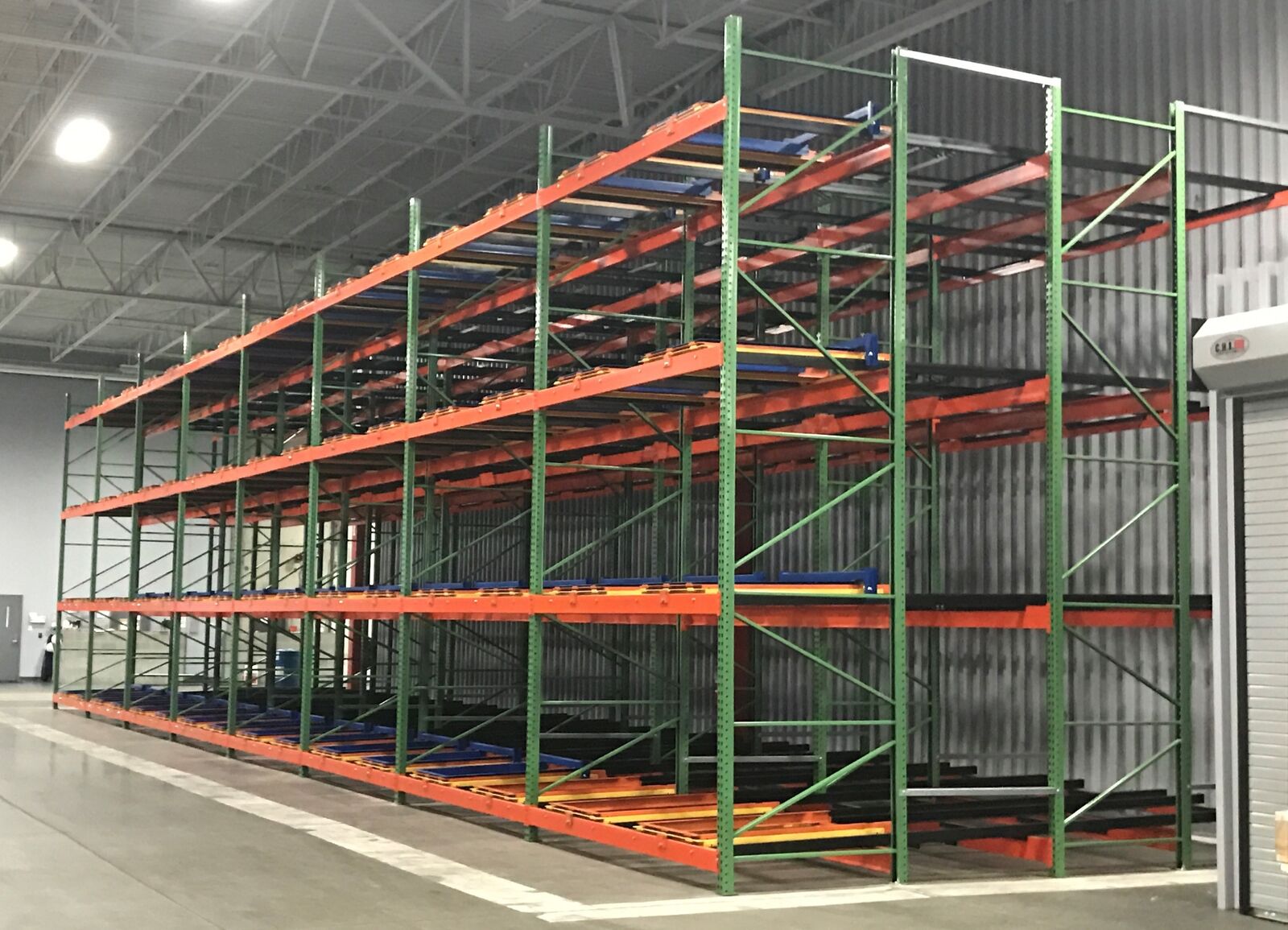
Pushback Rack
Two to six pallets deep from one aisle, without giving up much reach.
View details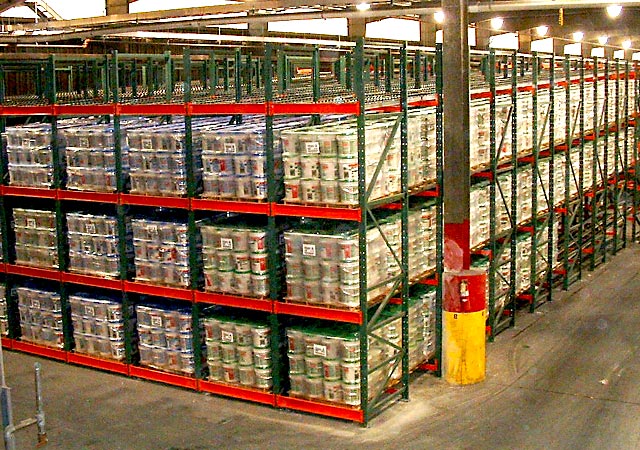
Pallet Flow Rack
Load one side, pick the other, and let gravity enforce first in, first out.
View details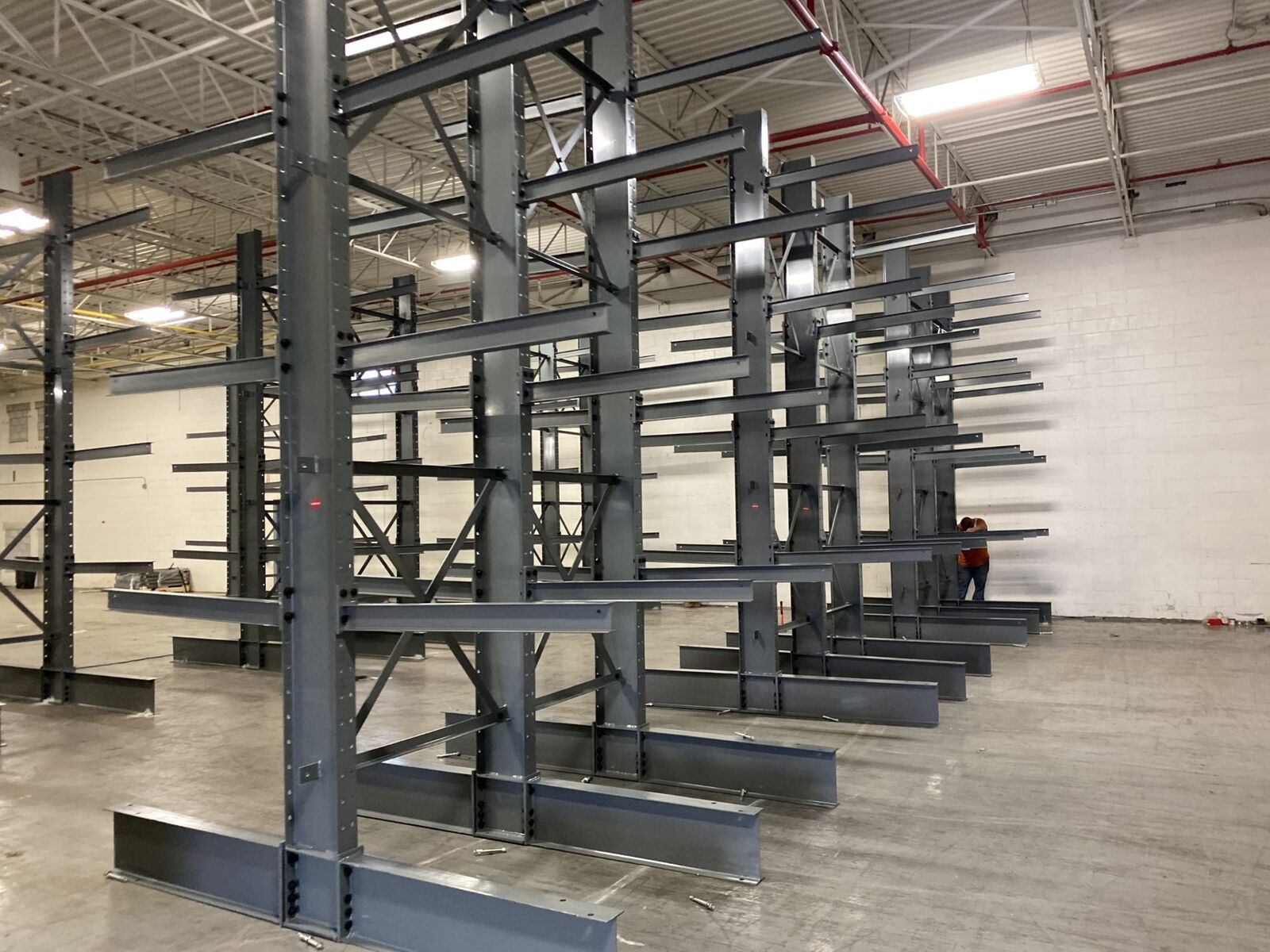
Cantilever Rack
Arms with nothing in front of them, built for lumber, pipe, and anything a pallet can't hold.
View details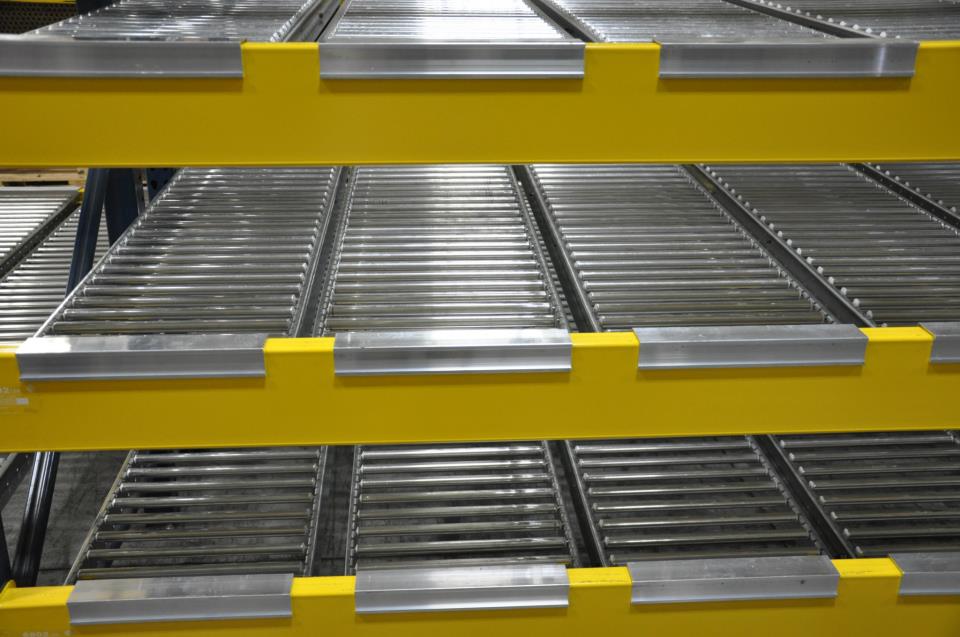
Carton Flow Rack
Cases advance to the picker instead of the picker hunting for cases.
View details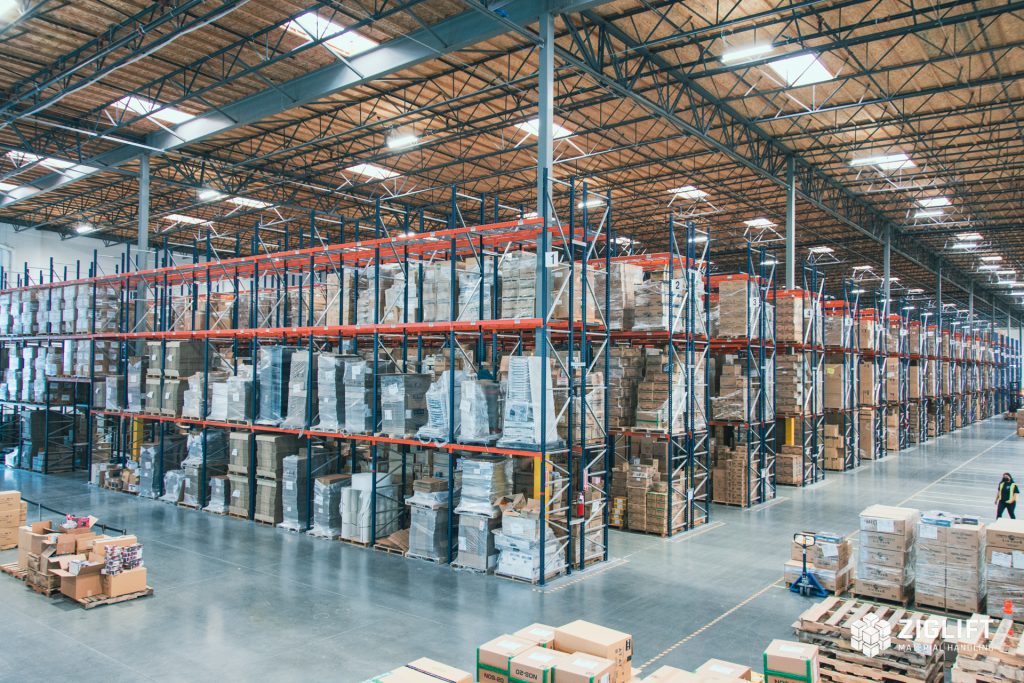
Warehouse Relocation
Move the storage system with a labeled teardown, destination layout, and phased reinstallation plan.
View detailsWhere We Work
Located in Albuquerque, we serve the entire metro and greater New Mexico with industrial pallet racks and warehouse storage solutions.
Albuquerque Pallet Rack
Address
2105 Vista Oeste NW
Suite E #3491
Albuquerque, NM 87120
Phone
(505) 436-7469Business Hours
Monday - Friday: 8:00 AM - 6:00 PM
Saturday: Closed
Sunday: Closed
Discuss Your Pallet Volumes and Truck Fleet
(505) 436-7469