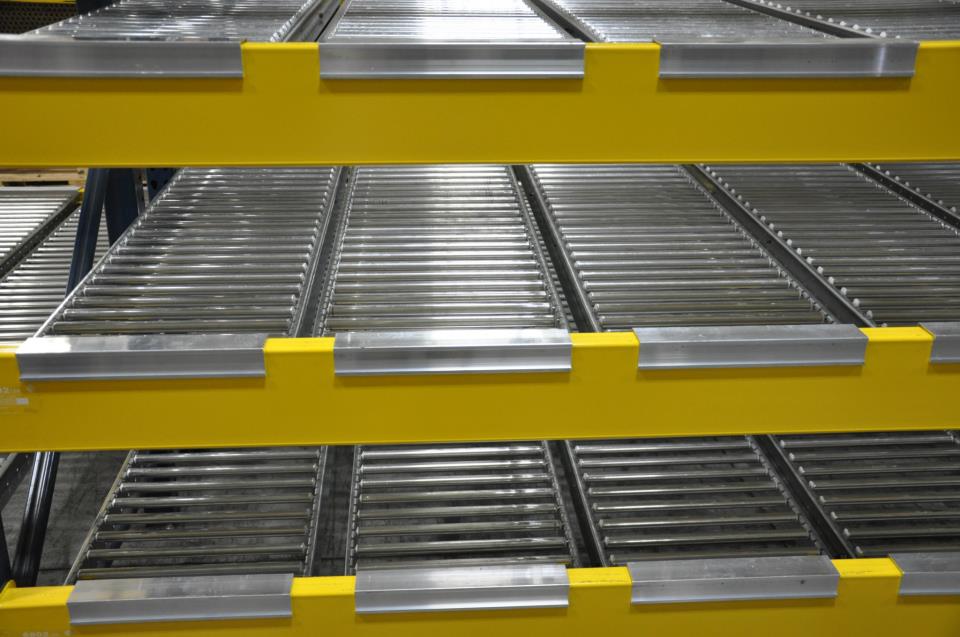
Carton Flow Rack in Rio Rancho, NM
Carton flow rack in Rio Rancho should be selected around the containers supporting repeated supplier and production picks. Cases and compatible totes travel along inclined roller lanes, bringing the next container toward the front after the leading one is removed.
For semiconductor support premises along Highway 528, keeping replenishment traffic outside the picking position can protect the working sequence. A light manufacturing building in Northern Boulevard industrial may instead prioritize component access near assembly. Both situations call for a rear loading route and a clearly defined front retrieval face.
Case Flow Rack Geometry for Supplier Containers
A case flow rack assembly includes a supporting module, inclined rollers, lane guides, and front retention. The slope must suit container movement without making the queued load awkward to retrieve. Roller spacing should support the underside through its travel, including transitions near the loading and picking edges.
Lane widths should accommodate normal container variation while limiting sideways drift. Adjustable dividers let a module accept different tote families when loading and support remain suitable. Repositioning a divider is not enough if the new tote runners miss the roller tracks or if a lighter container stops advancing.
Retrofits into pallet bays begin with structural and dimensional review of the supporting rack. Check connection compatibility, combined loading, and the space needed above each picking opening. New inserts may consolidate repeat case stock below reserve positions, but the whole bay configuration must suit that arrangement before installation.
FIFO requires cases to enter behind the existing queue and leave at the front. For controlled component batches, labels must distinguish the next eligible lane when several contain the same part. Keep exceptions elsewhere rather than placing a different identifier midway through a lane where it becomes hidden behind the front container.
Carton Flow Rack Evaluation for Component Handling
We evaluate carton flow racking through the interaction between the container and its lane. Molded feet, recessed bases, and carton seams can produce different movement on identical tracks. Reviewing representative loaded samples helps avoid specifying rollers solely from exterior dimensions or a familiar container name.
As a division of Warehouse Equipment & Supplies Co., our supplying and installing work dates from 1997. We specify new material and manage installation around agreed building access, work boundaries, and the inventory movements that must remain possible during setup.
Production support picking often involves similar-looking parts with different identifiers. We consider divider placement and label visibility alongside mechanical travel. Presenting each item in an assigned position can help workers select it with less searching, but the arrangement still needs disciplined replenishment and clear responsibility for location changes.

Give Every Part a Visible Position
Carton Flow Racking Checks Before Handover
Document container families
List the totes and cartons used for recurring components, with loaded weights and underside details. Include packaging received from outside suppliers as well as internal containers, since a standard internal tote does not represent every incoming package.
Observe retrieval at the workstation
Identify whether operators remove entire totes or pick units from open containers. Review reach, visibility, and the route to assembly. A clear front presentation should reduce unnecessary handling without making workers lift awkwardly over a high retaining edge.
Resolve module and aisle choices
Compare lane widths, roller arrangements, and module depth against replenishment frequency. Draw access from receiving to the rear without crossing the active picking position. Leave irregular and infrequently requested components in storage that allows independent retrieval.
Install and review actual travel
Schedule crews against defined access areas and material placement. Check representative containers through the complete lane, including the lightest expected operating condition. Review front retention, batch labels, and the response to a stalled container before handing the arrangement over.
Review Your Supplier Packaging
Albuquerque Pallet Rack
2105 Vista Oeste NW
Suite E #3491
Albuquerque, NM 87120
(505) 436-7469Monday - Friday: 8:00 AM - 6:00 PM
Container Decisions to Resolve Early
- Which supplier containers differ from the totes normally used inside production?
- Will partially emptied component cartons remain on the picking rollers between orders?
- How will replenishment staff recognize a batch change before loading another container?
Component Storage Answers
Storage Choices Beyond Gravity Lanes
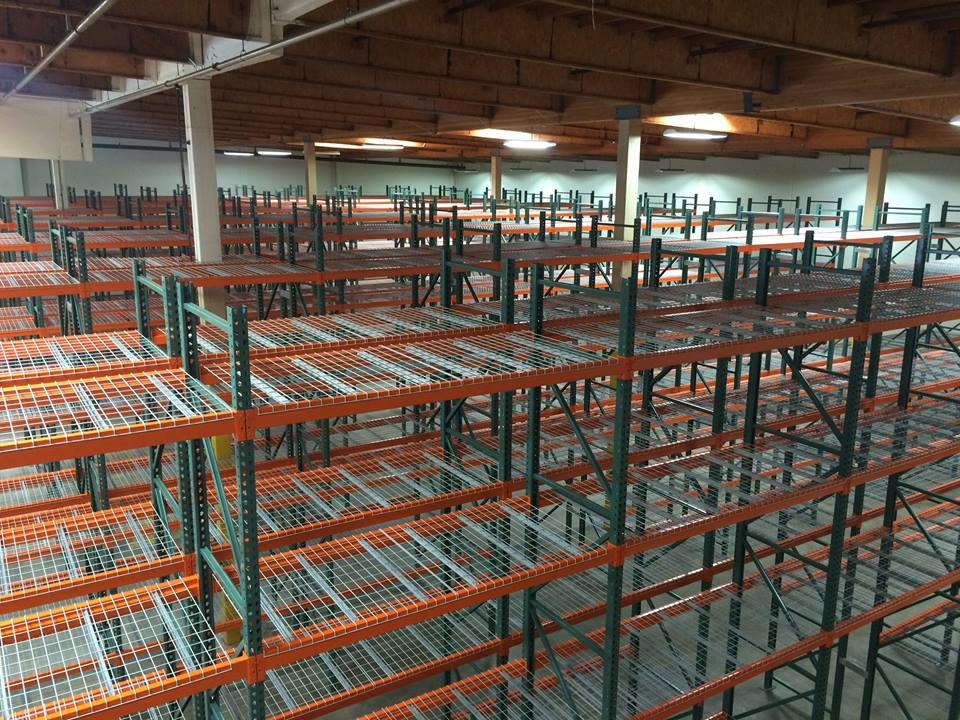
Pallet Rack
Every pallet reachable, every time. The baseline we size everything else against.
View details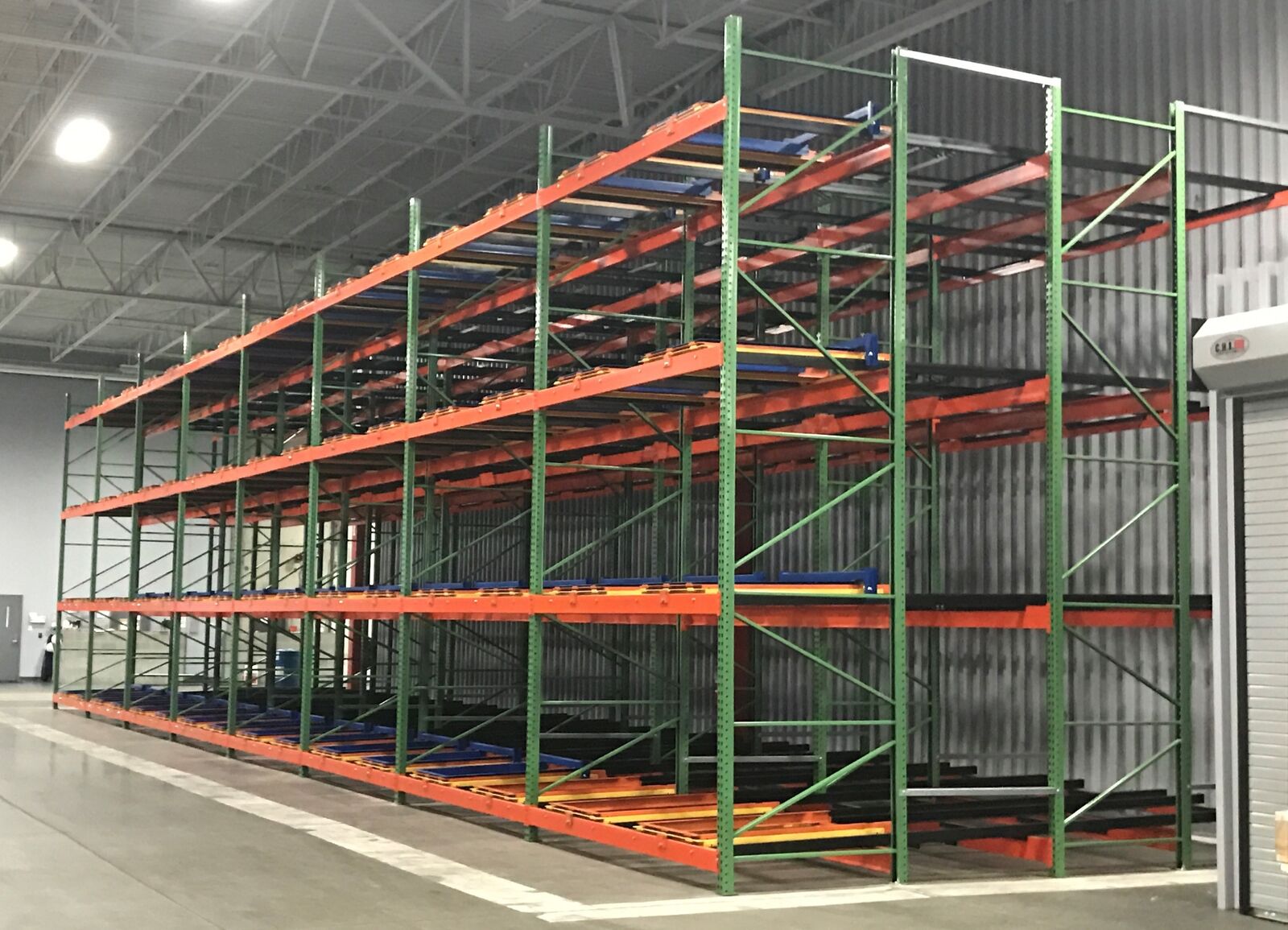
Pushback Rack
Two to six pallets deep from one aisle, without giving up much reach.
View details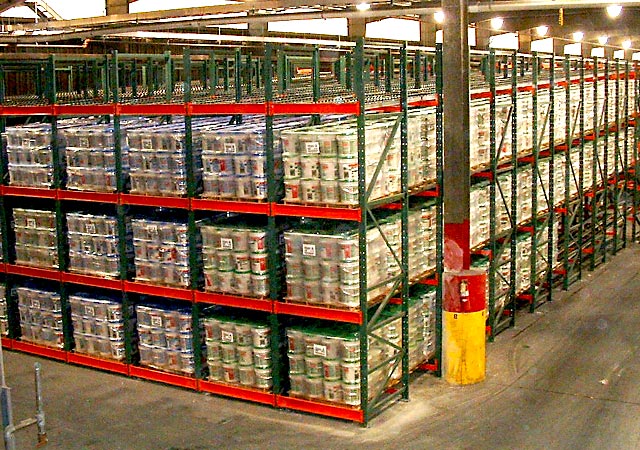
Pallet Flow Rack
Load one side, pick the other, and let gravity enforce first in, first out.
View details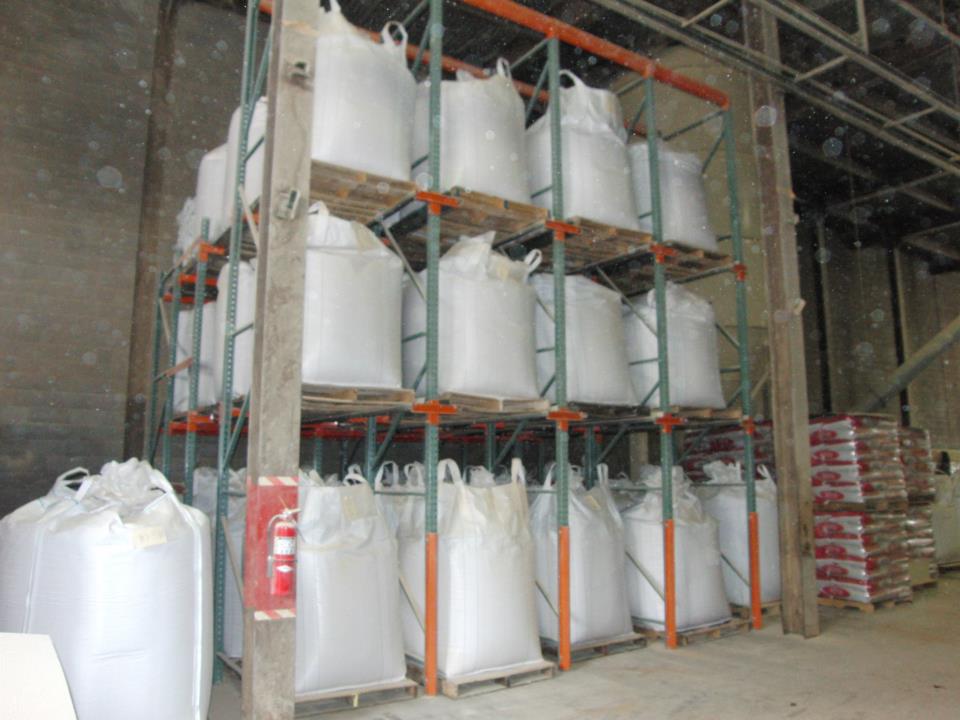
Drive-In Rack
No aisles. The forklift enters the structure, and the floor holds more pallets per square foot than any other system.
View details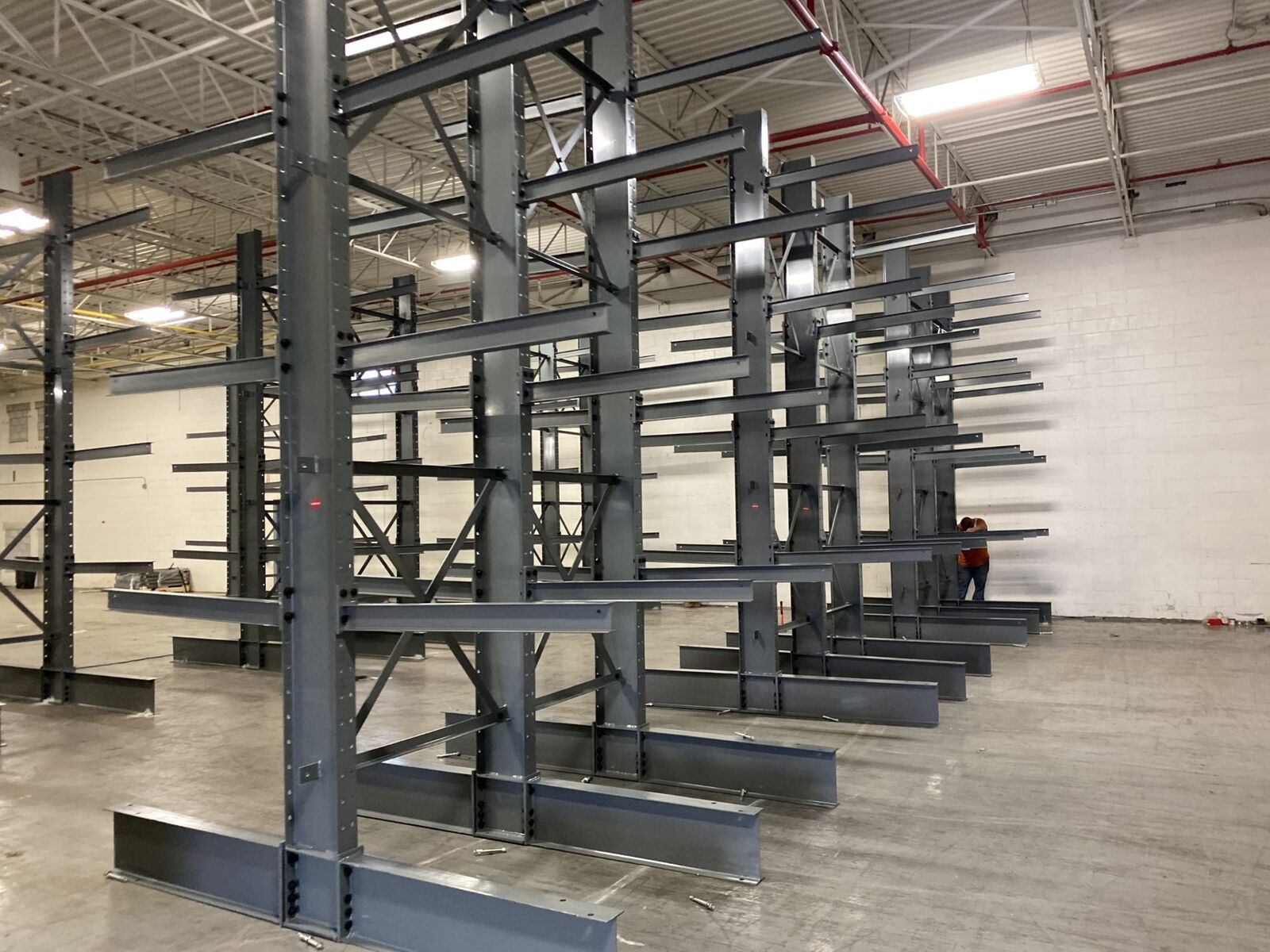
Cantilever Rack
Arms with nothing in front of them, built for lumber, pipe, and anything a pallet can't hold.
View details
Warehouse Relocation
Move the storage system with a labeled teardown, destination layout, and phased reinstallation plan.
View detailsWhere We Work
Located in Albuquerque, we serve the entire metro and greater New Mexico with industrial pallet racks and warehouse storage solutions.
Albuquerque Pallet Rack
Address
2105 Vista Oeste NW
Suite E #3491
Albuquerque, NM 87120
Phone
(505) 436-7469Business Hours
Monday - Friday: 8:00 AM - 6:00 PM
Saturday: Closed
Sunday: Closed
Start With Your Container Samples
(505) 436-7469