Warehouse Relocation in Albuquerque, NM
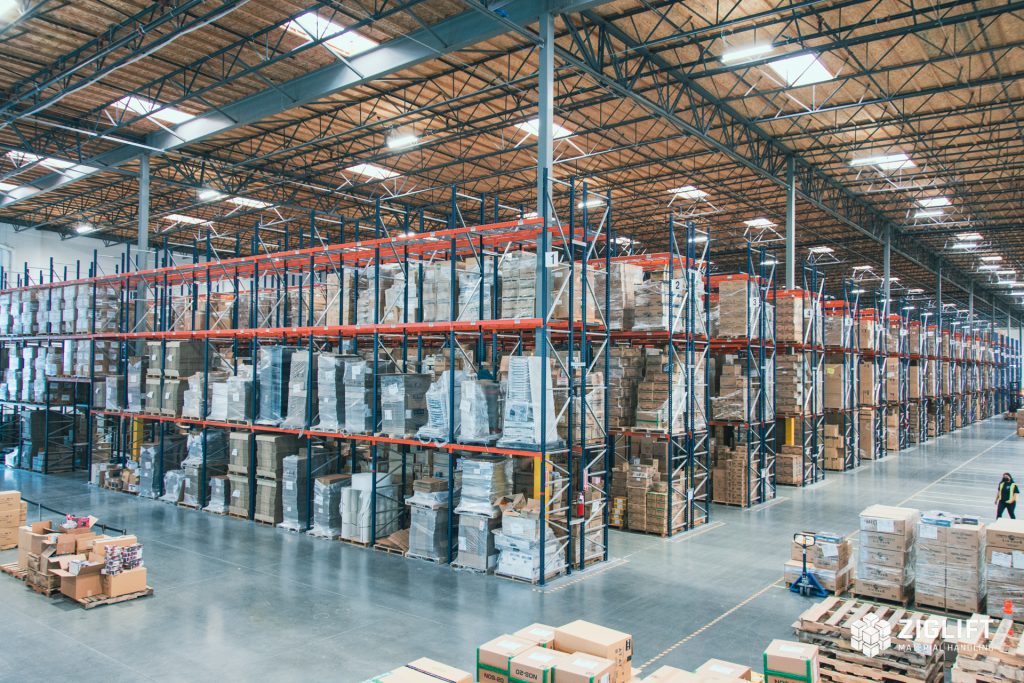
Warehouse relocation in Albuquerque starts by separating what can move from what must change at the receiving building. A food and beverage distributor shifting between Westside Industrial and the North I-25 Corridor needs a destination plan based on pallet weights, picking access, and dispatch staging rather than a duplicate of yesterday’s rows.
We survey the owner’s existing rack, record component identities, and label each bay before dismantling begins. The move plan connects those labels with transport bundles and destination positions. Inventory transfers follow agreed work boundaries, with receiving and shipping access reviewed for each phase rather than a promise of uninterrupted service.
Warehouse Relocation With Component Traceability
Our rack relocation review compares the original arrangement with measured destination dimensions. Frame heights, beam lengths, connection profiles, and available manufacturer information help establish which assemblies belong together. Moving an upright does not establish its suitability for a different beam spacing or a heavier product mix.
Operating as a division of Warehouse Equipment & Supplies Co., we draw on supplying and installing experience since 1997. We schedule and manage installation crews against the agreed sequence, confirming who releases emptied bays, who controls inventory transfers, and when installers can enter each designated area.
Inspection comes before an item enters the load list. Bent uprights, distorted connectors, missing locks, and uncertain component identification are flagged for review. Unsuitable pieces are excluded and replaced with new parts selected for their intended destination loads. Moving your existing rack is a separate service from new material sales.
Separate Picking From Dismantling
Warehouse Relocation From Survey to Release
Document the starting rows
Provide rack drawings, load information, and photographs before the site survey. We reconcile them with physical labels so a missing beam or changed elevation is addressed before dismantling, not left for the destination team to interpret.
Assign the transfer windows
Identify which orders must remain accessible during each transfer period. We map temporary stock locations and discuss possible pauses, keeping active forklift routes separate from dismantling areas and reserving a clear path for outgoing bundles.
Release coordinated loads
Confirm that the receiving area can accept the planned frames and beams before dispatch. Carrier coordination links bundle lists with unloading responsibilities, allowing staff to verify delivery contents against the next installation section rather than opening every bundle.
Check before loading inventory
Walk the completed rows against the CAD positions and review the applicable load information. Resolve missing locks, label discrepancies, or incomplete sections before stock placement, then release only the areas that have completed the agreed checks.
Pallet Rack Relocation and Destination Fit
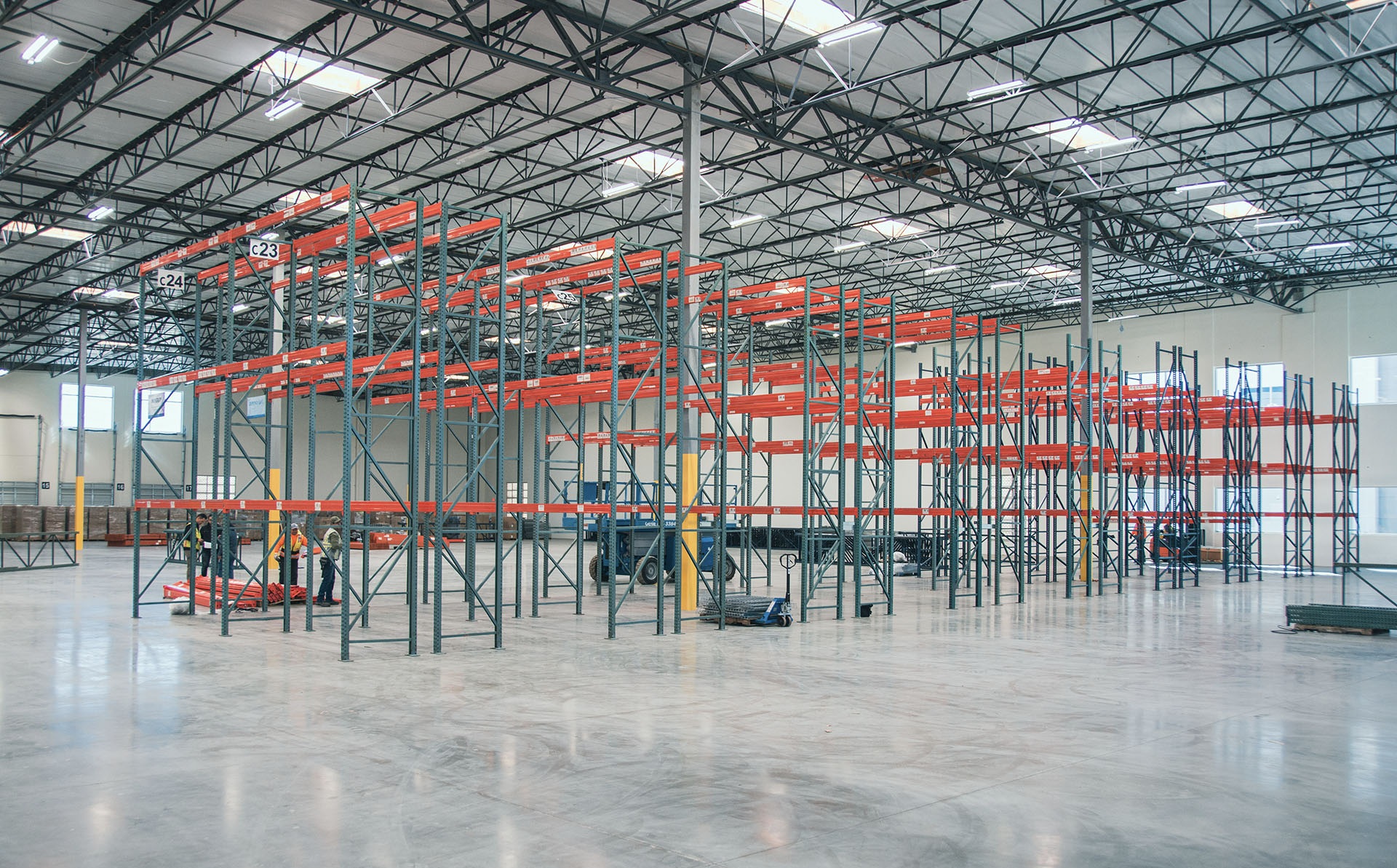
For pallet rack relocation, a destination CAD layout assigns bay numbers, beam elevations, travel aisles, and staging boundaries before teardown. For food distribution, reserve pallets and active picks may need different access patterns. The drawing gives warehouse staff a way to compare their order preparation routine with the proposed arrangement before material arrives.
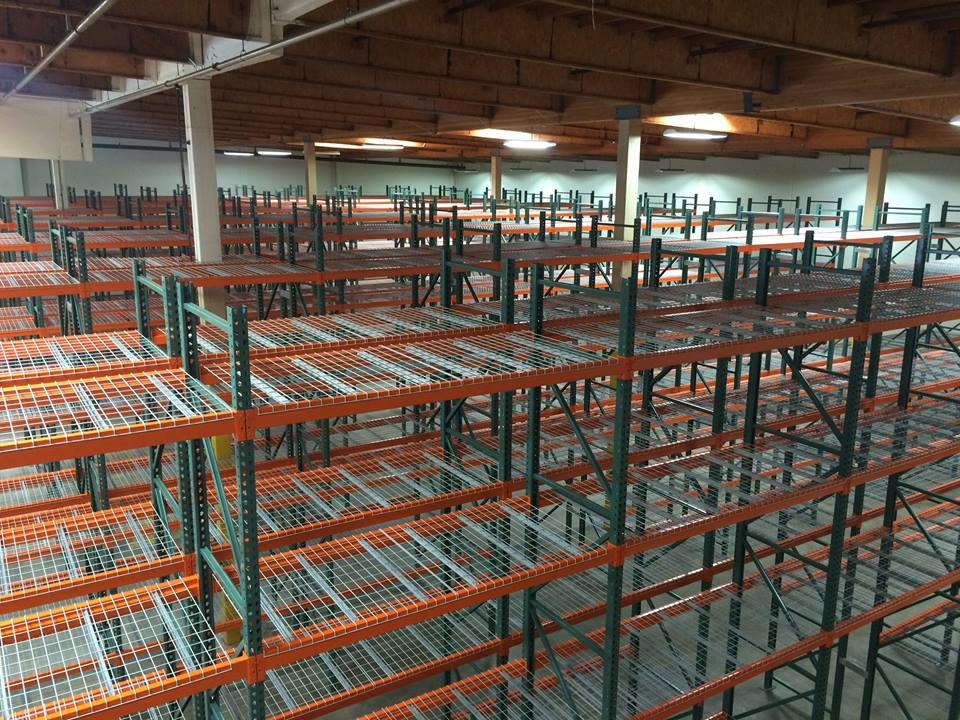
Frame and beam compatibility receive a capacity review using documented component information and proposed loads. Similar colors or connector shapes are not enough to approve mixing. Where identification or capacity cannot be established, the plan calls for suitable new components instead of treating the old arrangement as evidence of suitability.
Teardown follows emptied and released sections, with beams, frames, and hardware grouped under readable identifiers. Bundling protects connections and keeps corresponding pieces traceable. A load plan places the earliest installation materials within practical unloading reach, while transport coordination aligns carrier appointments with loading space and destination receiving availability.
Reinstallation follows the approved drawing, with frames positioned, beams secured, and rack anchored to the floor. New matching rack additions can extend the arrangement when compatibility and capacity are established. Before a section returns to use, crews check alignment, connections, anchors, and location labels against the intended configuration and operating loads.
Discuss Both Buildings
Albuquerque Pallet Rack
2105 Vista Oeste NW
Suite E #3491
Albuquerque, NM 87120
(505) 436-7469Monday - Friday: 8:00 AM - 6:00 PM
Resolve the Transfer Decisions
- Which existing bays hold the heaviest beverage pallets, and will those loads change after the transfer?
- Where can bundled frames wait without consuming the destination’s first receiving aisle?
- Which pick locations must remain reachable while the next bank of rack is dismantled?
Answers Before Moving Stock
Consider New Rack Extensions
Pallet Rack
Every pallet reachable, every time. The baseline we size everything else against.
View details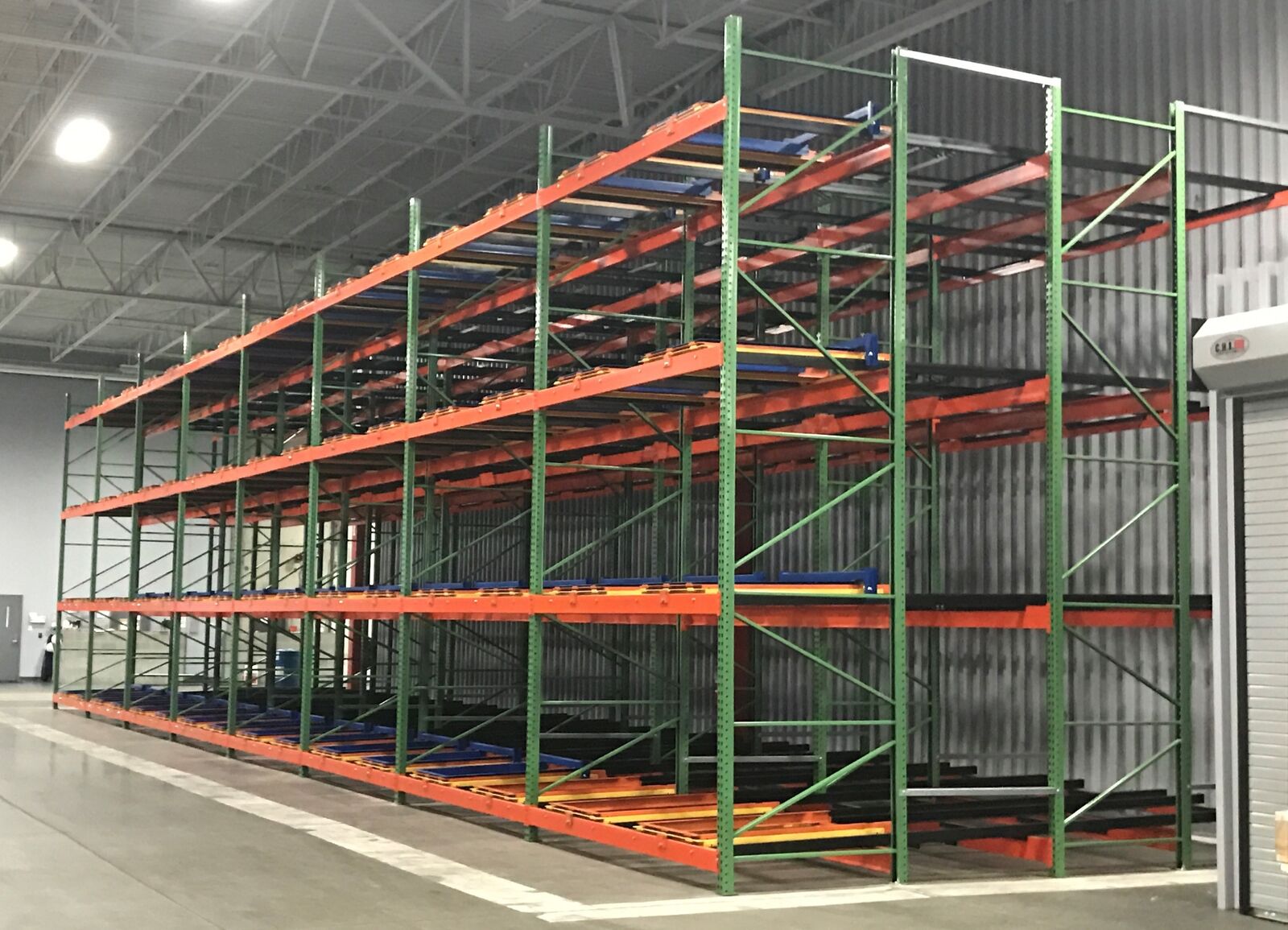
Pushback Rack
Two to six pallets deep from one aisle, without giving up much reach.
View details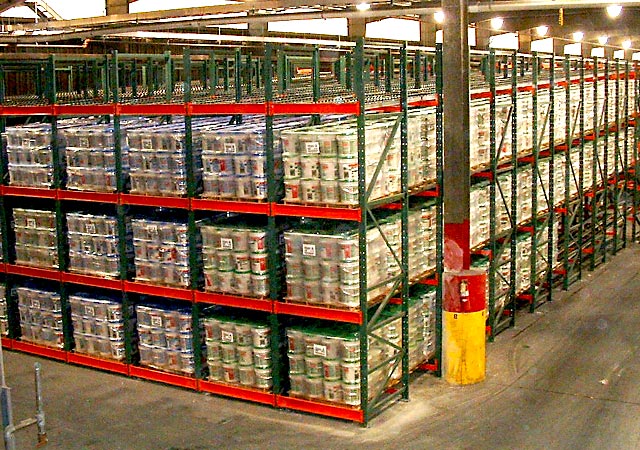
Pallet Flow Rack
Load one side, pick the other, and let gravity enforce first in, first out.
View details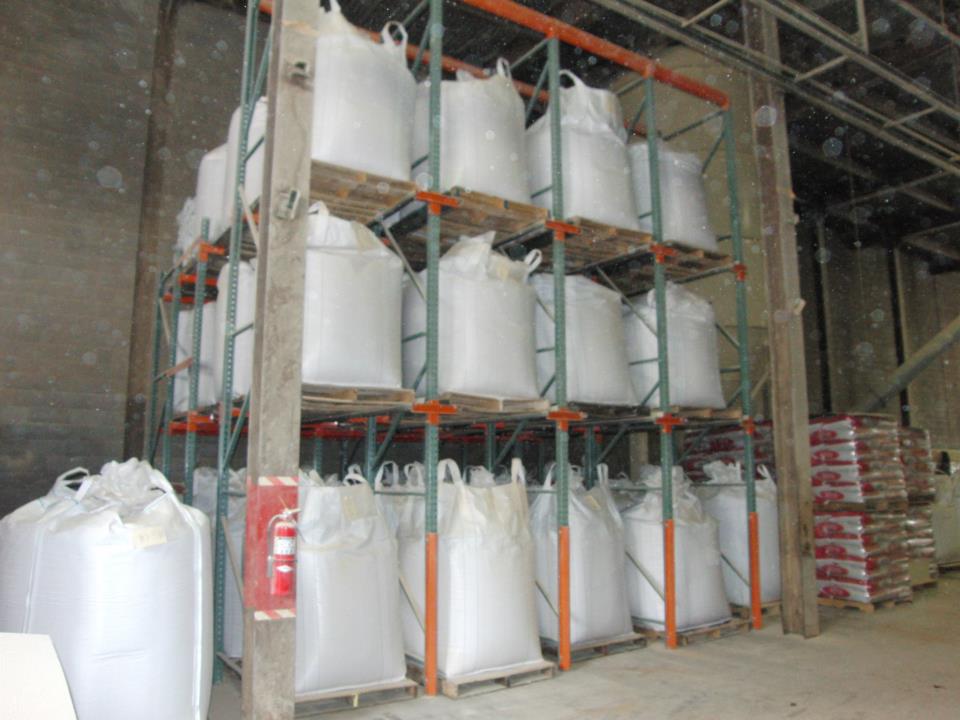
Drive-In Rack
No aisles. The forklift enters the structure, and the floor holds more pallets per square foot than any other system.
View details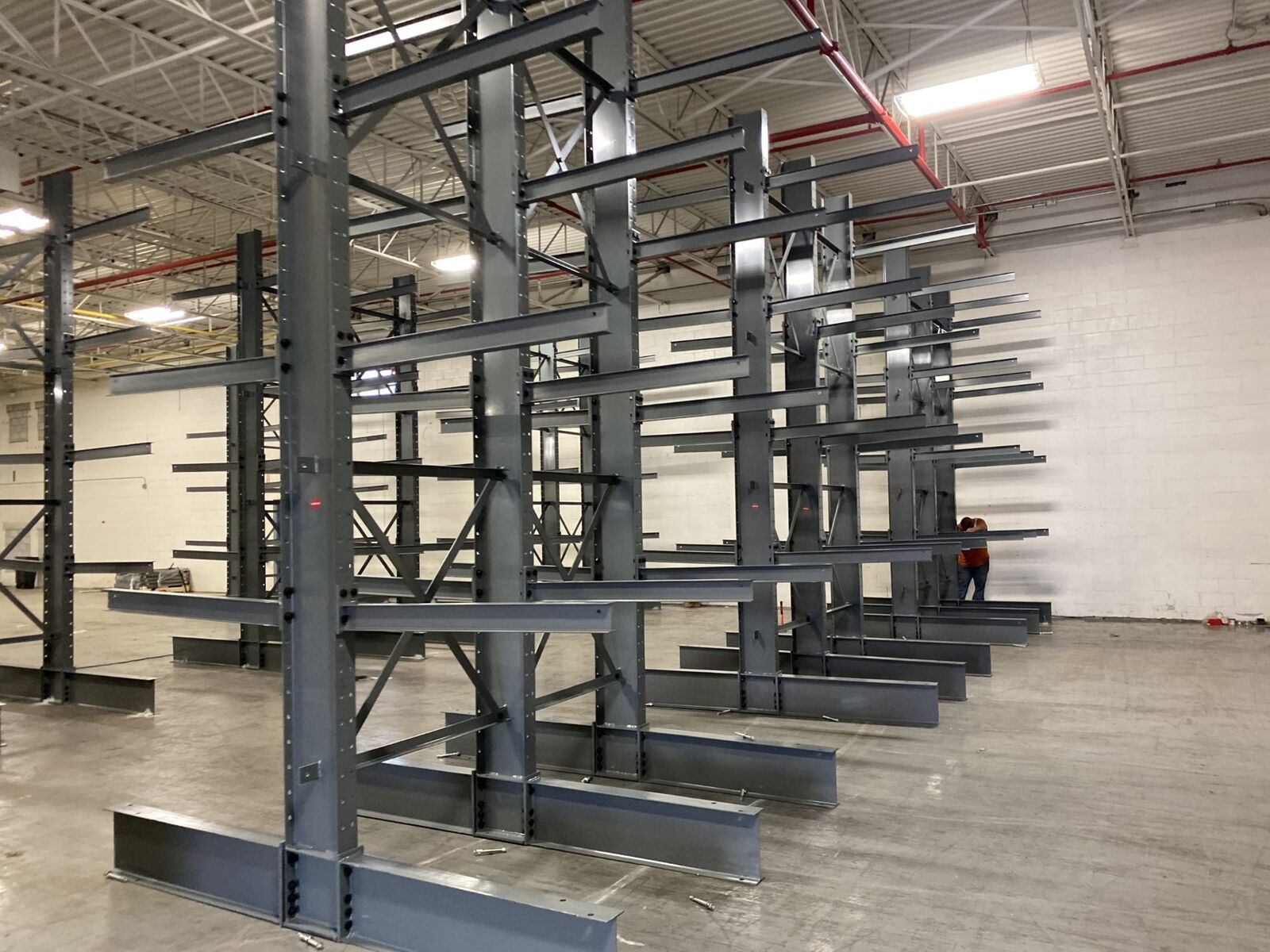
Cantilever Rack
Arms with nothing in front of them, built for lumber, pipe, and anything a pallet can't hold.
View details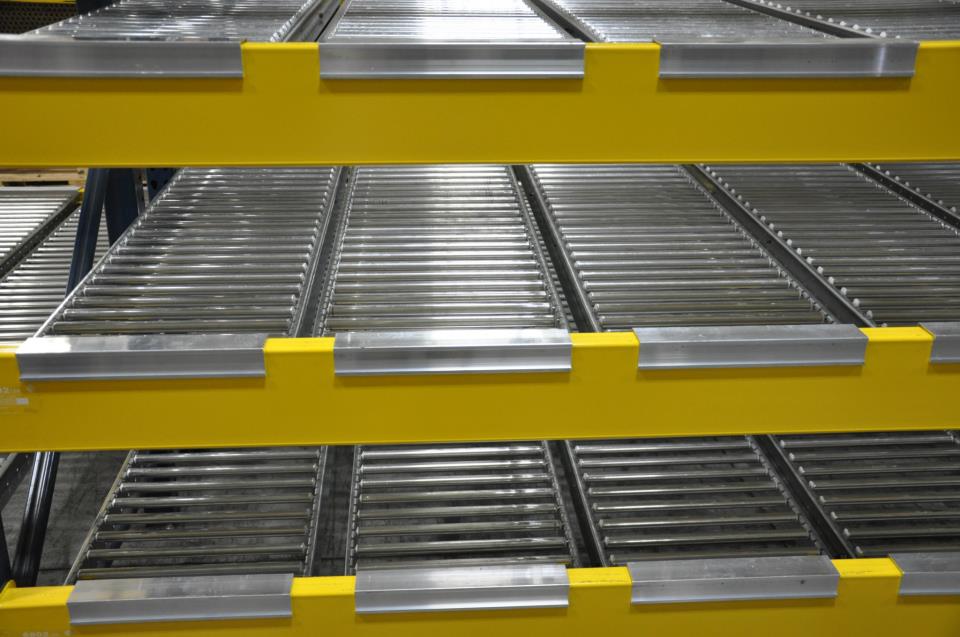
Carton Flow Rack
Cases advance to the picker instead of the picker hunting for cases.
View detailsWhere We Work
Located in Albuquerque, we serve the entire metro and greater New Mexico with industrial pallet racks and warehouse storage solutions.
Albuquerque Pallet Rack
Address
2105 Vista Oeste NW
Suite E #3491
Albuquerque, NM 87120
Phone
(505) 436-7469Business Hours
Monday - Friday: 8:00 AM - 6:00 PM
Saturday: Closed
Sunday: Closed
Bring Your Move Sequence
(505) 436-7469