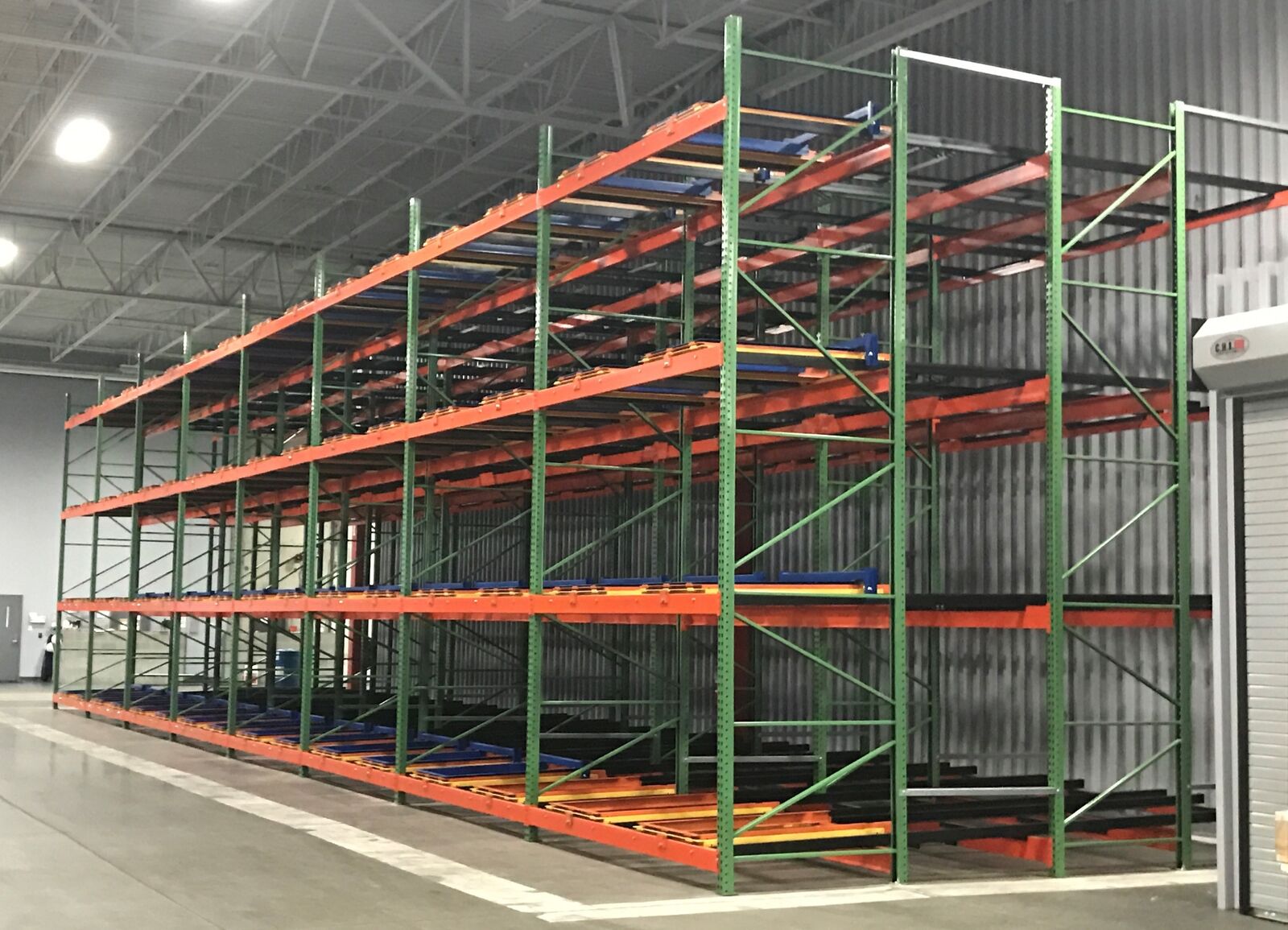
Pushback Rack in Moriarty, NM
Pushback rack in Moriarty should be planned around the stock behind each shipping order and the traffic at the dock. Agriculture and feed inventory may include repeat pallet quantities alongside products needing separate batch access. Establish those differences before choosing how many loads belong behind one picking position.
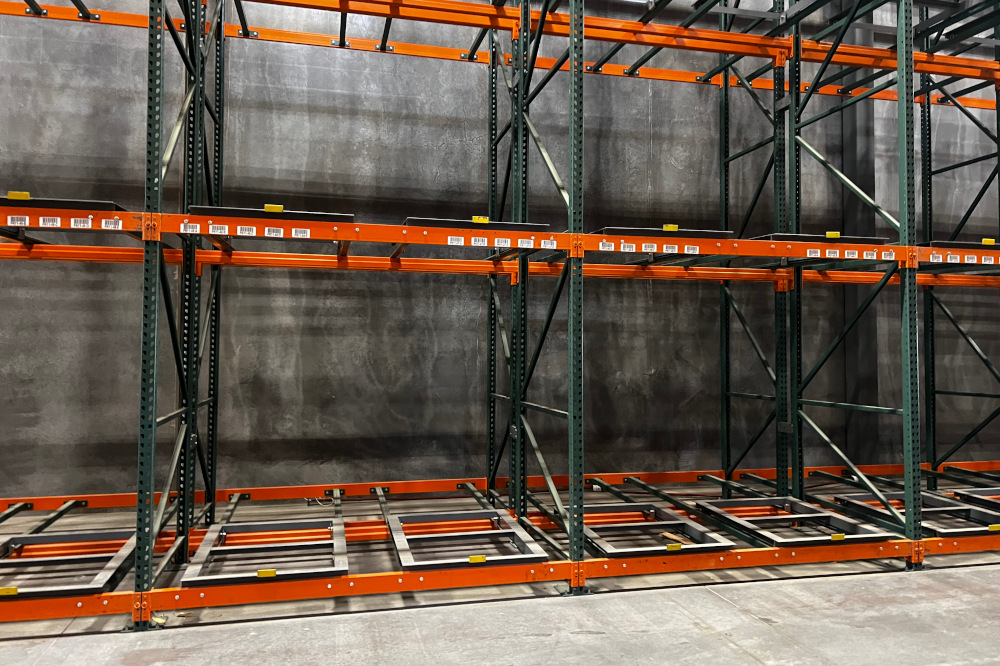
A typical lane stores two to six pallets deep on nested carts carried by inclined rails. The forklift loads and retrieves at a single face, pushing earlier pallets rearward during replenishment. When the front load leaves, the remaining pallets move forward, giving last-in, first-out retrieval within that lane.
Pushback Rack Depth and Structural Review
Pushback rack depends on carts and rails working as a matched assembly, not simply a sloped shelf. Cart nesting, pallet bearing surfaces, clearances, and load weights determine the proposed arrangement. Removing a pallet requires controlled forklift movement so the following load advances as intended without operators entering the lane.
Match depth to pallets per SKU after separating batches that need independent retrieval. A six-deep lane may leave inaccessible vacancies if a feed variety normally occupies only two positions. More shallow lanes can preserve choice, while deeper lanes can suit repeat products with larger, steadier reserve quantities.
Each beam pair per level must support the selected assembly and the loads transferred through it. Frame height and beam spacing affect the supporting structure's capacity, alongside beam selection and upright configuration. Requests for another level, heavier bags, or different lane depth need review of the complete arrangement.
Selective rack provides direct pallet access for varied stock; drive-in can serve larger product groups where forklift entry is acceptable. Existing rack may accept compatible components only after its structure, connections, and ratings are verified. Adding carts and rails is not a universal conversion, even when bay widths appear similar.
Push Back Racking From Counts to Layout
Separate feed varieties and batches
List reserve quantities by SKU, packaging format, and any batch restrictions. Identify which products can follow LIFO retrieval and which require individual access, then compare shallow and deep lane allocations against the normal inventory range.
Measure support and clearance
Record pallet footprints, underside construction, bag overhang, loaded heights, and weight ranges. We use that information to review cart support, vertical clearances, and the beam and frame arrangement rather than sizing around an empty pallet.
Test the dispatch layout
Walk the proposed replenishment and picking routes against receiving activity. Reserve turning room and temporary staging outside the rack face, then check whether simultaneous freight arrivals would block access to the lanes needed for outbound orders.
Coordinate the work area
Agree equipment delivery routes and installation boundaries with our managed crews. The operating review covers lane identification, assigned loads, and controlled retrieval, including how staff should respond when pallet movement differs from the intended sequence.
Pushback Pallet Rack for Reserve Inventory
Our review starts with the inventory that stays on hand between receipts. Pushback pallet rack concentrates repeat loads into fewer working aisles, but depth alone does not establish useful capacity. Feed varieties or packaging sizes that cannot share a picking sequence need separate lane assignments.
Moriarty storage planning is handled by our division of Warehouse Equipment & Supplies Co., supplying and installing equipment since 1997. New equipment is paired with installation managed through crews; unloading arrangements, material routes, and the receiving areas that must remain available are discussed before the installation work.
For facilities on Central Avenue industrial and the I-40 frontage, truck staging deserves space in the initial layout. We trace incoming pallets to their rack positions and outgoing orders back to dispatch. The shared rack face should not become overflow parking for freight awaiting another destination.
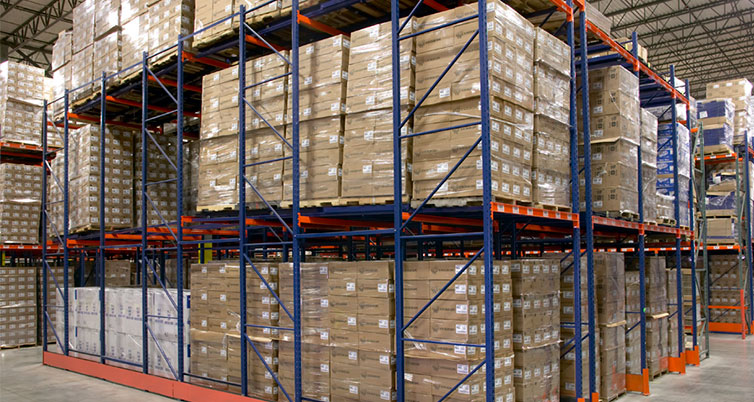
Keep Dock Queues Outside the Pick Face
Review Your Reserve Stock
Albuquerque Pallet Rack
2105 Vista Oeste NW
Suite E #3491
Albuquerque, NM 87120
(505) 436-7469Monday - Friday: 8:00 AM - 6:00 PM
Resolve Batch Access Before Buying
- How many feed varieties need separate access despite sharing a pallet footprint?
- Can receiving queues remain clear of the shared replenishment and picking face?
- Which reserve quantities support deeper lanes without leaving trapped empty positions?
Feed and Dock Access Questions
Weigh Lane Storage Against Selective Access
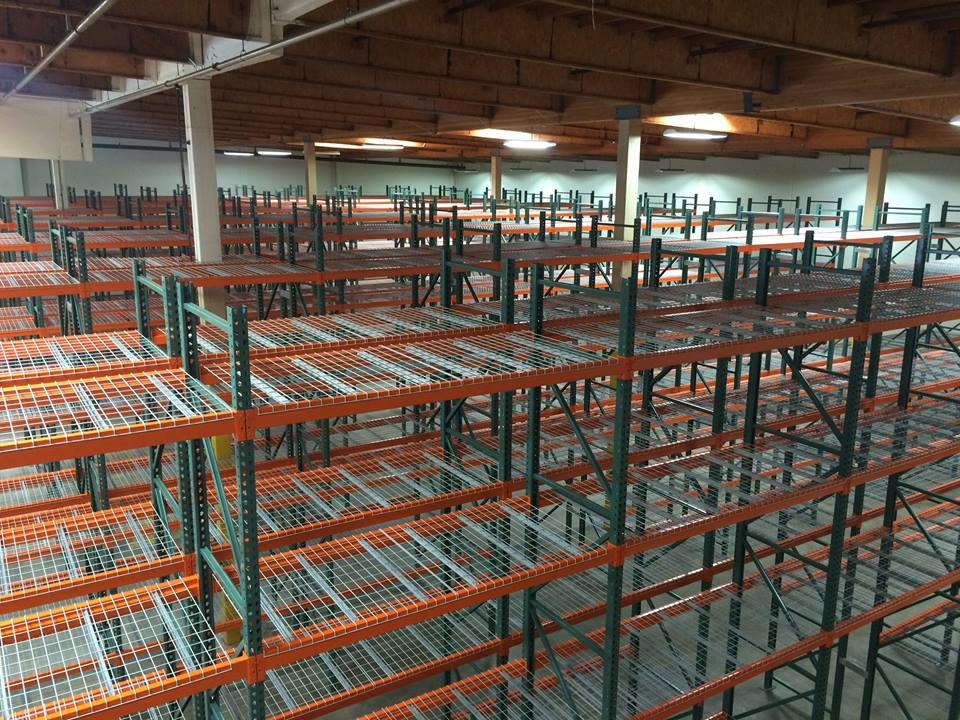
Pallet Rack
Every pallet reachable, every time. The baseline we size everything else against.
View details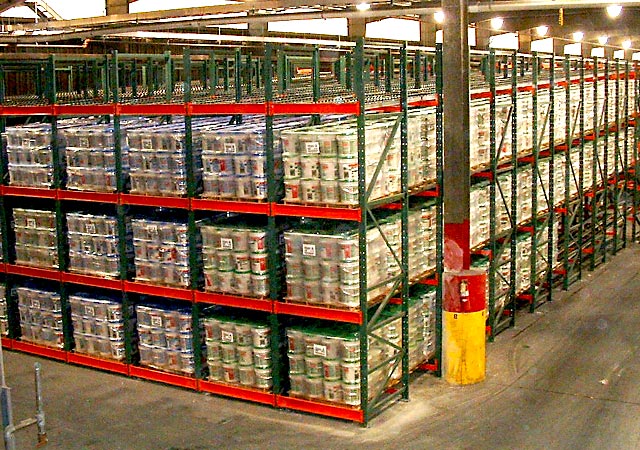
Pallet Flow Rack
Load one side, pick the other, and let gravity enforce first in, first out.
View details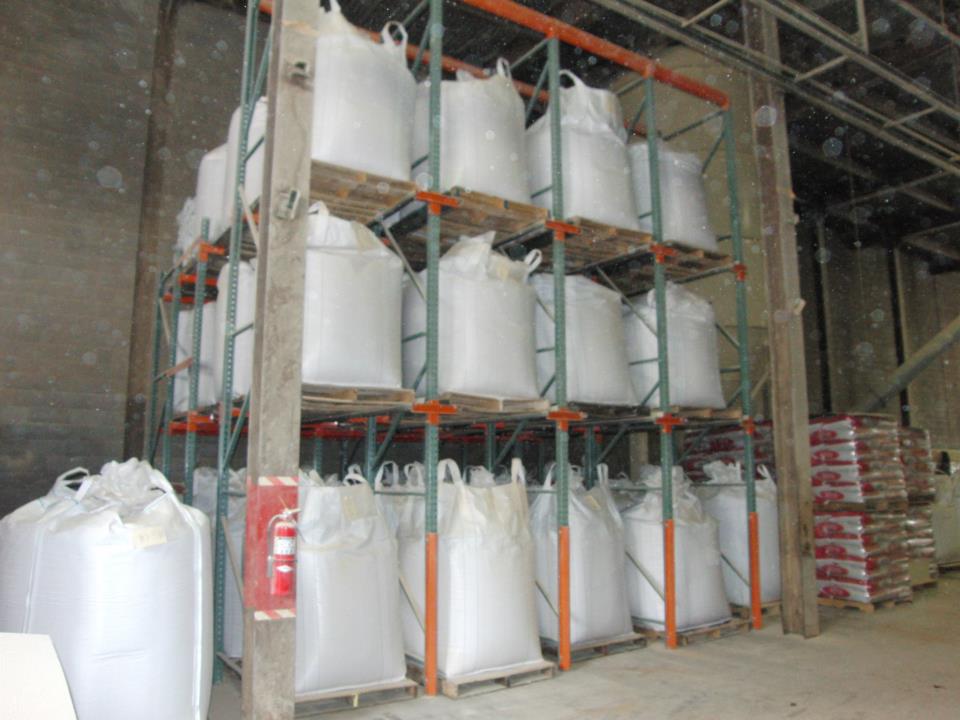
Drive-In Rack
No aisles. The forklift enters the structure, and the floor holds more pallets per square foot than any other system.
View details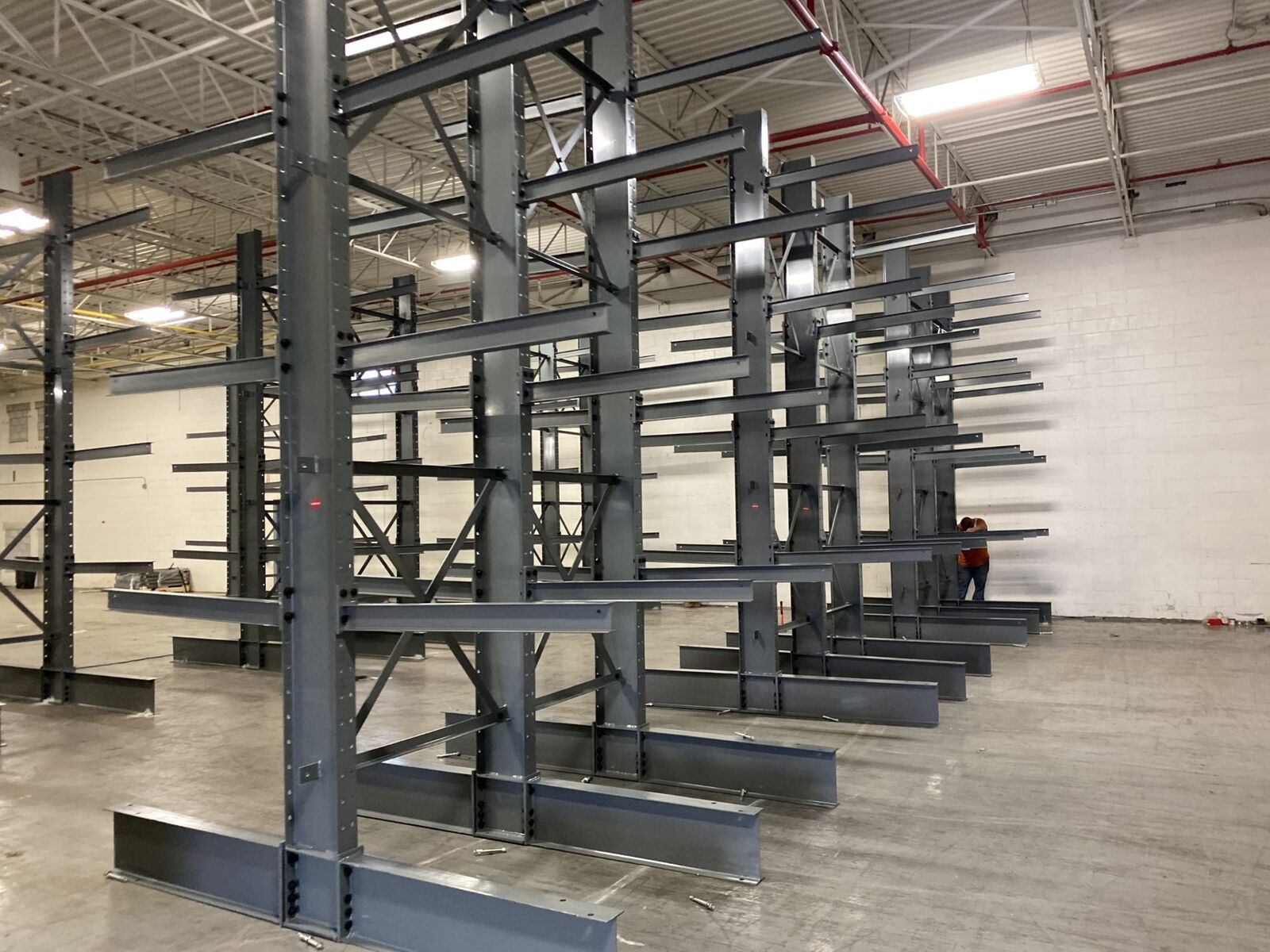
Cantilever Rack
Arms with nothing in front of them, built for lumber, pipe, and anything a pallet can't hold.
View details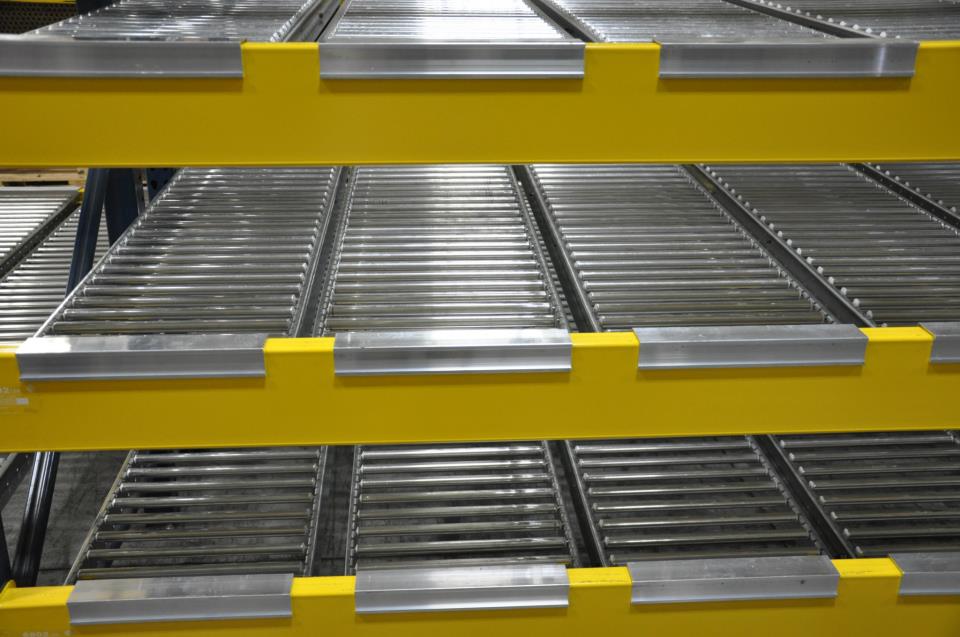
Carton Flow Rack
Cases advance to the picker instead of the picker hunting for cases.
View details
Warehouse Relocation
Move the storage system with a labeled teardown, destination layout, and phased reinstallation plan.
View detailsWhere We Work
Located in Albuquerque, we serve the entire metro and greater New Mexico with industrial pallet racks and warehouse storage solutions.
Albuquerque Pallet Rack
Address
2105 Vista Oeste NW
Suite E #3491
Albuquerque, NM 87120
Phone
(505) 436-7469Business Hours
Monday - Friday: 8:00 AM - 6:00 PM
Saturday: Closed
Sunday: Closed
Start With Your SKU List
(505) 436-7469