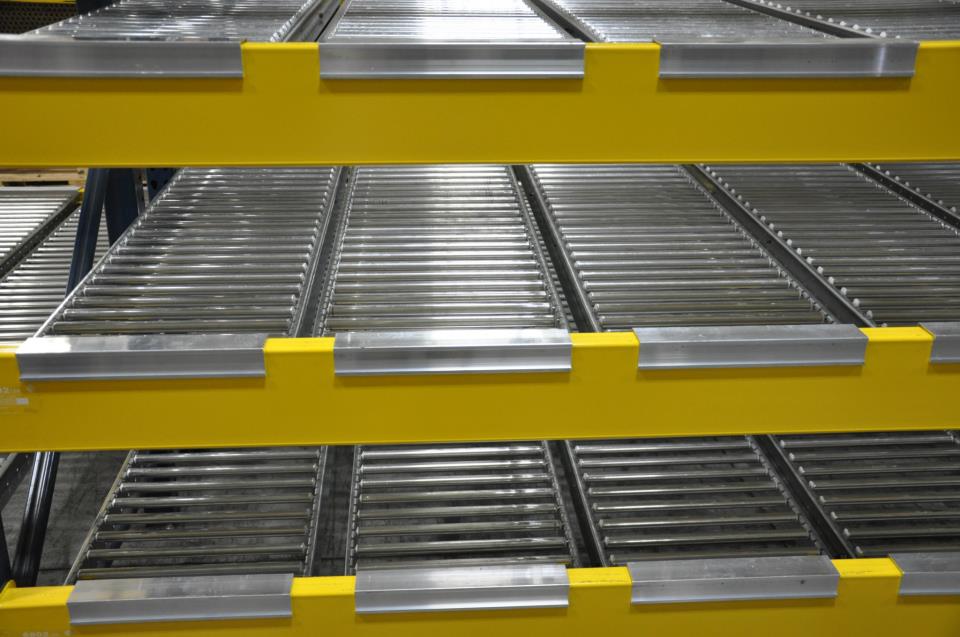
Carton Flow Rack in Placitas, NM
Carton flow rack in Placitas can organize repeat production supplies without surrendering a small building to deep storage queues. Cases and rigid totes travel along inclined roller lanes toward the picking edge, while replenishment enters from the opposite side to support first-in, first-out handling.
For specialty manufacturing along the Highway 165 corridor, lane depth should reflect component consumption rather than the largest possible receipt. A compact flex space near North I-25 frontage also needs an unloading path and a place to hold incoming cartons before employees distribute them into the rear loading positions.
Carton Flow Racking Details for Small Packages
Carton flow racking consists of inclined modules with rollers or wheel tracks that carry the package base. The slope must work with base stiffness, weight, and lane length. Lightweight component cartons can hesitate when their underside bridges poorly across supports, so representative samples matter more than a nominal package description.
Widths and dividers should match actual carton variation, including bulging sides and projecting tote edges. Narrow lanes can bind packages; excessive clearance can allow skewing. Specify the supporting tracks and guiding surfaces together, then review how the leading container rests against the front stop during repeated piece picking.
Retrofit modules may fit existing pallet bays after the bay dimensions, connections, and support ratings have been reviewed. In compact premises, accessible picking heights and rear reach deserve as much attention as overall capacity. Avoid a configuration that fits structurally but leaves employees unable to replenish without moving production materials.
FIFO requires new stock to join the rear of an assigned lane while earlier stock leaves the front. If production returns partly filled totes, define whether they remain in use or reenter a separately identified location. Uncontrolled returns can undermine sequence even when every roller lane moves as intended.
Case Flow Rack Planning Inside Compact Premises
Follow components into production
Identify the station served by each proposed lane and the quantities removed during a normal task. Separate complete-case withdrawals from piece selection, then mark where empty totes and opened packaging leave the picking area.
Examine small-package behavior
Collect rigid totes, lightweight cartons, and representative partial containers. Review underside ribs, seams, weight changes, and front access so the selected roller arrangement supports both the initial receipt and the package employees actually handle during consumption.
Fit shallow modules into the footprint
Compare lane depth with replenishment frequency and production clearance. Coordinate dividers, picking elevations, and rear loading access with existing equipment so reduced walking does not come at the expense of crowding the workstation or blocking the delivery route.
Coordinate work with the building routine
Schedule installation around agreed material access and production boundaries. Check sample travel after setup, review labels for similar components, and explain how staff should remove a lane from use if a package repeatedly stalls or catches.
Carton Flow Rack for Short-Run Components
Our carton flow rack planning gives attention to low-volume exceptions before filling the drawing with modules. Artisan production may involve short runs, changing components, or small cartons with uneven bases. We distinguish steady repeat items from occasional supplies that need open access instead of a dedicated gravity queue.
Our operation, a division of Warehouse Equipment & Supplies Co., brings experience supplying and installing since 1997. New material comes with managed installation and agreed access arrangements, preserving the routes a smaller business needs for incoming supplies and ongoing production.
A flex-space layout should connect component selection to the next assembly task. We consider whether employees remove complete cases, select individual pieces, or exchange reusable totes. That distinction affects module height, front clearance, and labeling, making the picking face useful without treating every supply as a full-case order.

Connect Lane Fronts With Assembly Tasks
Discuss the Containers Your Team Handles
Albuquerque Pallet Rack
2105 Vista Oeste NW
Suite E #3491
Albuquerque, NM 87120
(505) 436-7469Monday - Friday: 8:00 AM - 6:00 PM
Production Questions Worth Resolving Early
- Which production components recur often enough to warrant a permanently assigned gravity lane?
- Can partially consumed totes remain at the front without obscuring lot identification or access?
- Where will incoming cartons wait when limited delivery access prevents immediate rear replenishment?
Answers for Flex-Space Component Storage
Other Storage for Occasional Materials
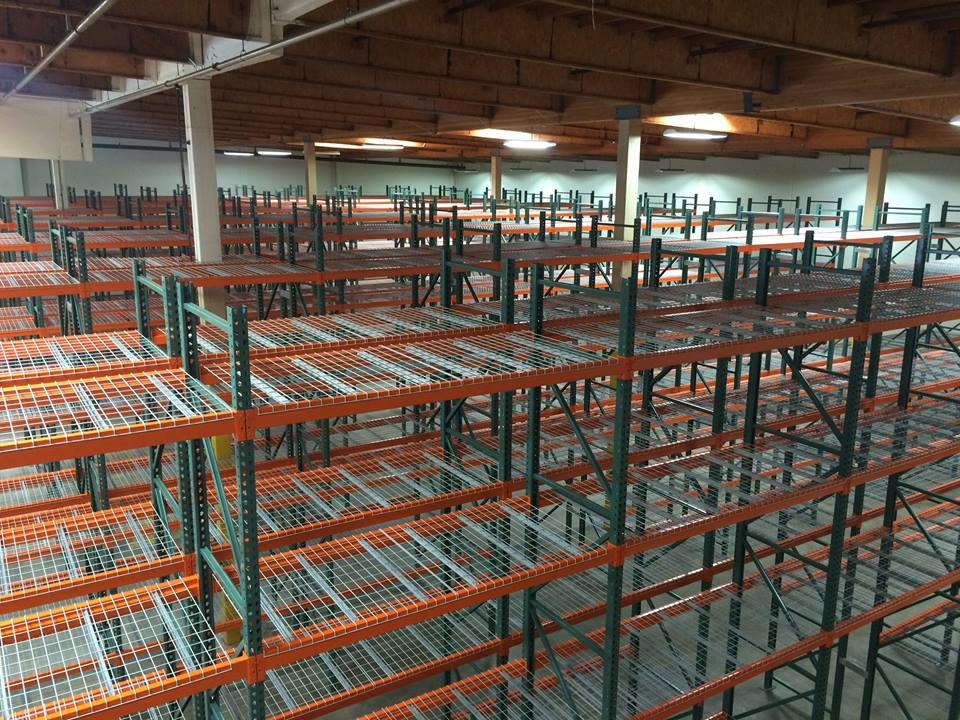
Pallet Rack
Every pallet reachable, every time. The baseline we size everything else against.
View details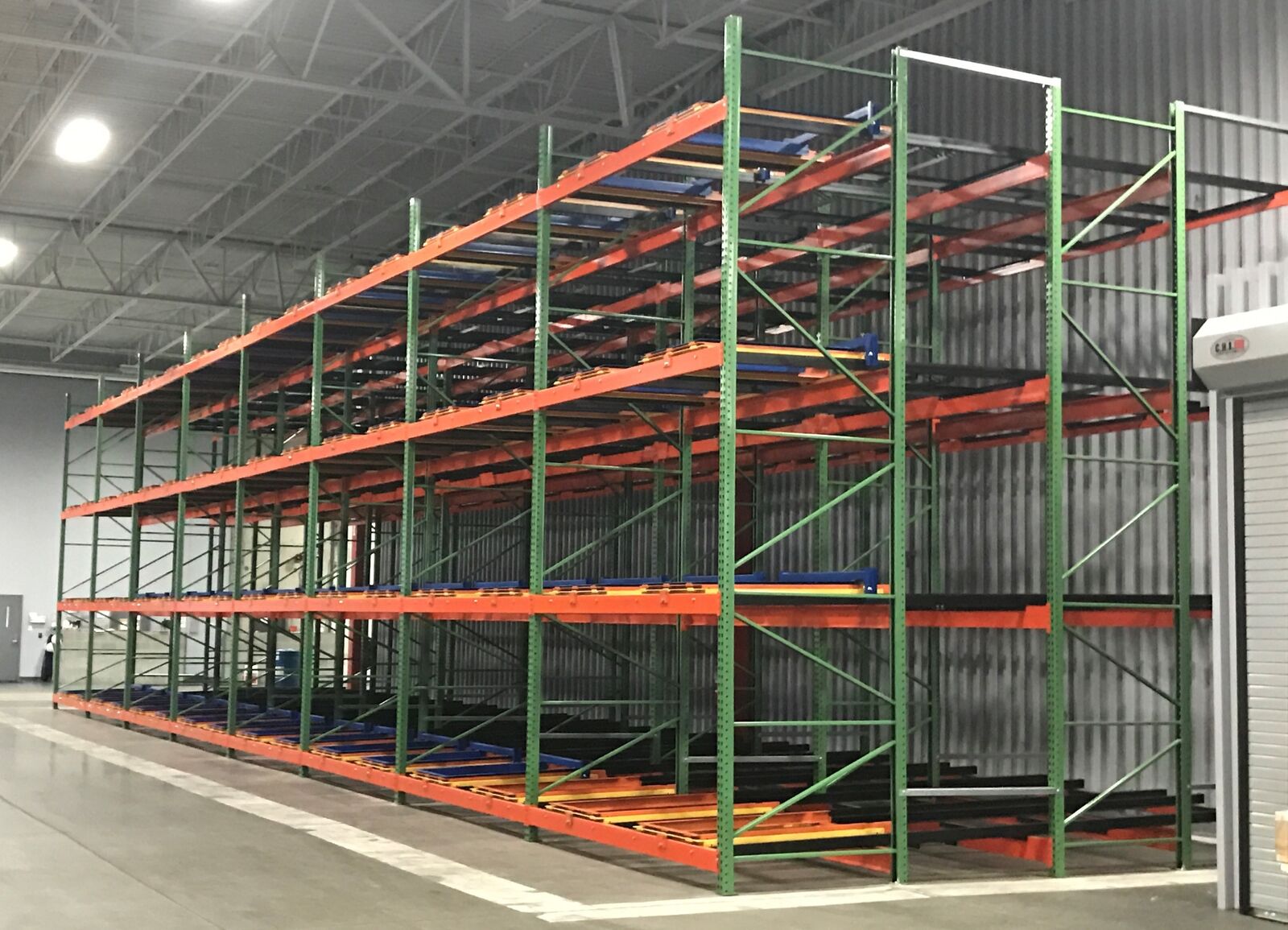
Pushback Rack
Two to six pallets deep from one aisle, without giving up much reach.
View details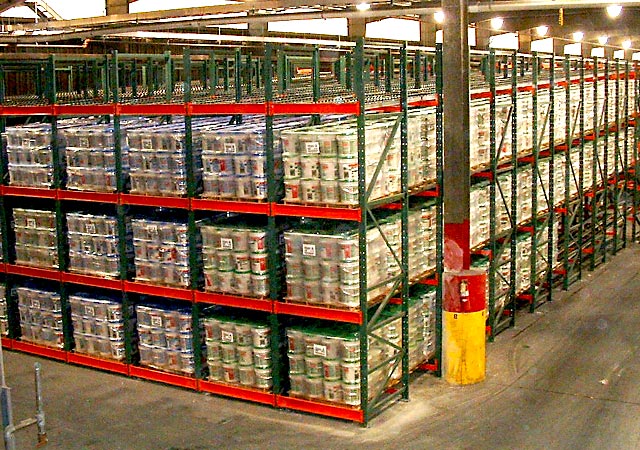
Pallet Flow Rack
Load one side, pick the other, and let gravity enforce first in, first out.
View details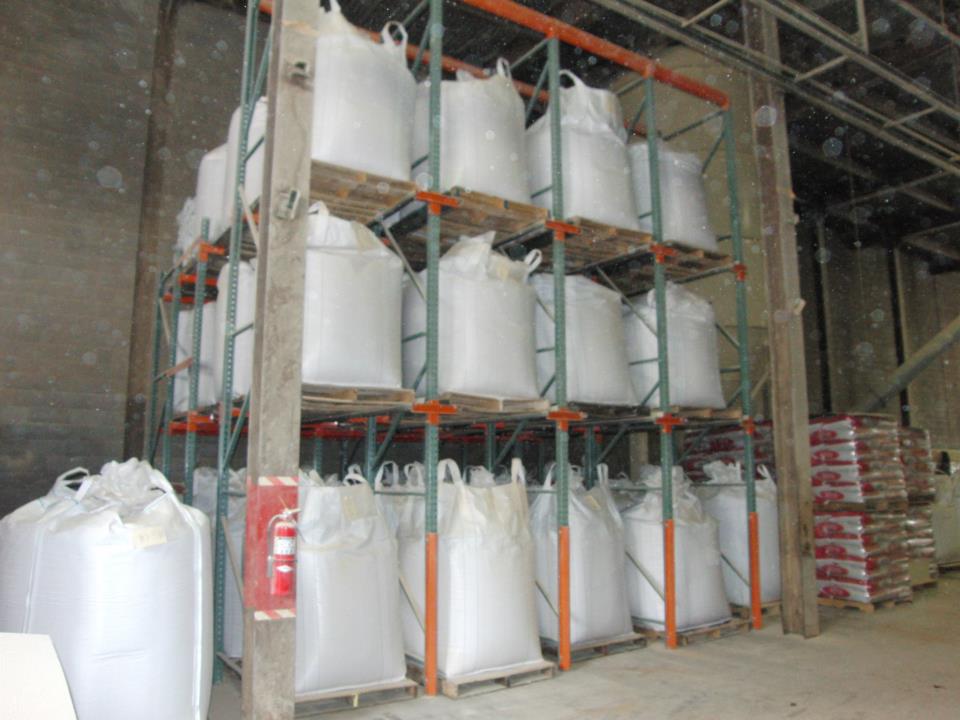
Drive-In Rack
No aisles. The forklift enters the structure, and the floor holds more pallets per square foot than any other system.
View details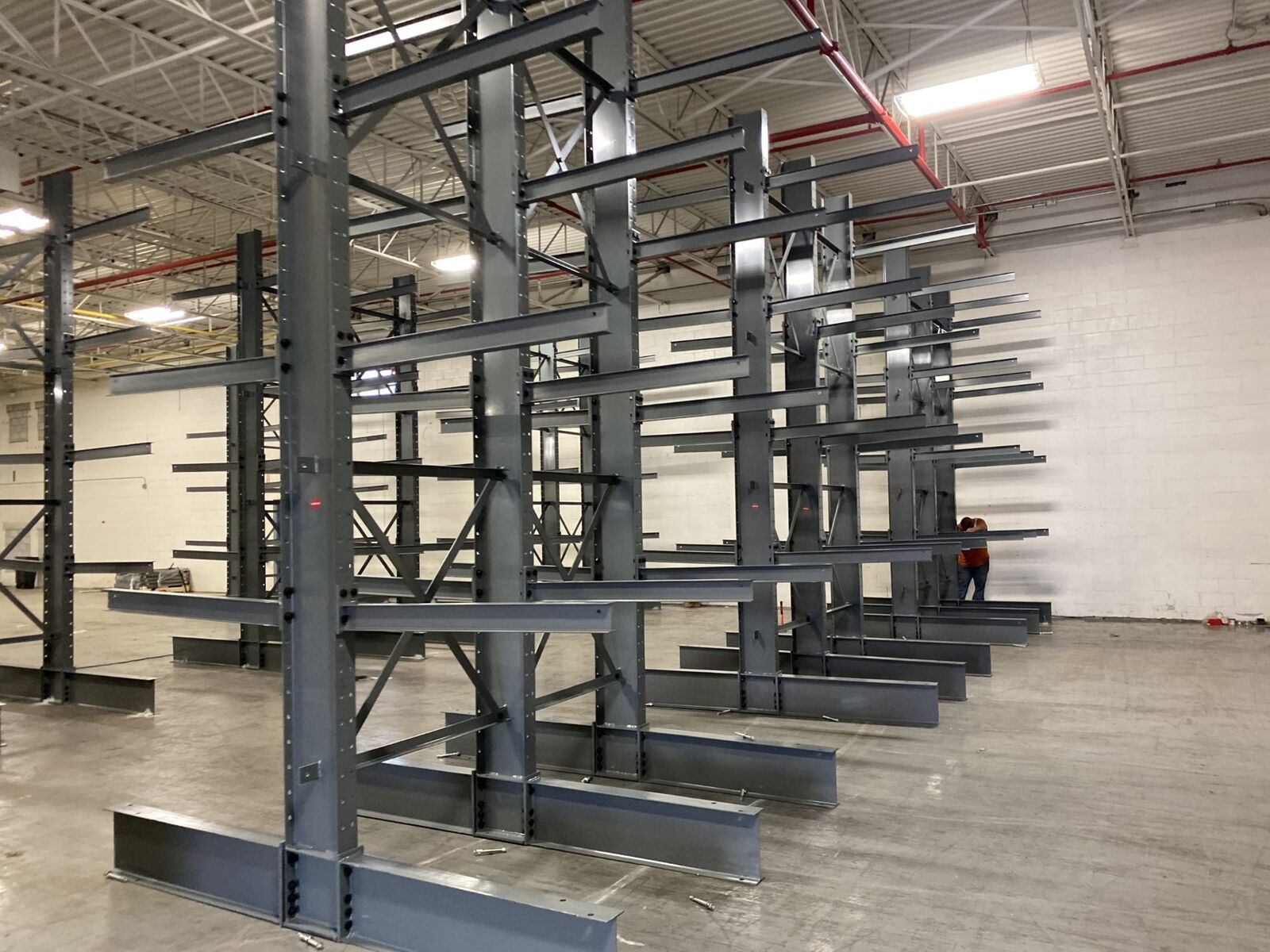
Cantilever Rack
Arms with nothing in front of them, built for lumber, pipe, and anything a pallet can't hold.
View details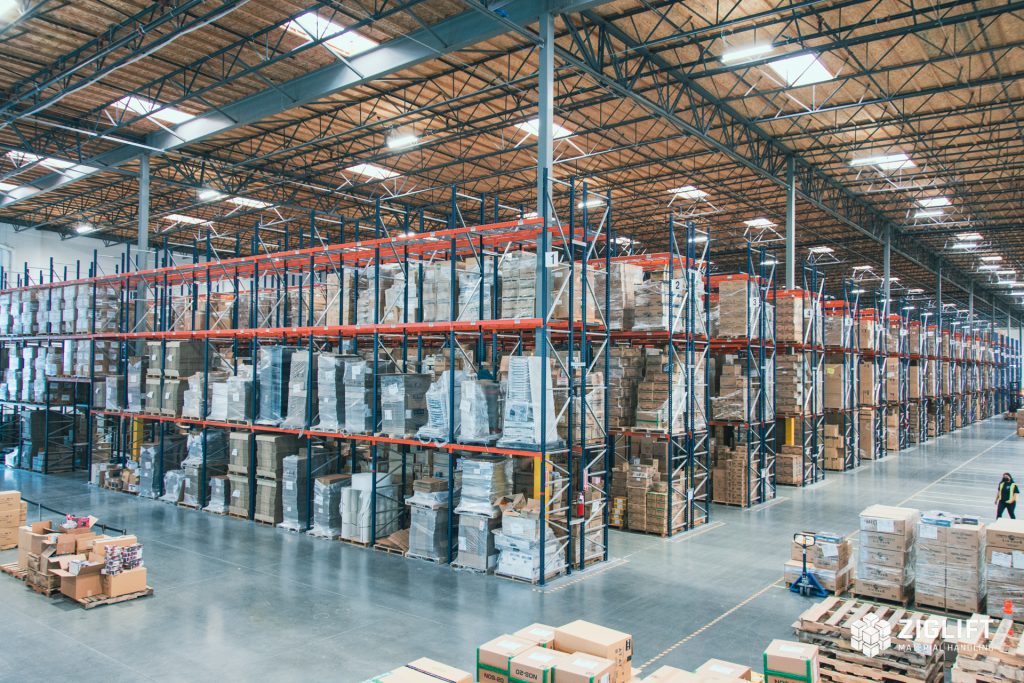
Warehouse Relocation
Move the storage system with a labeled teardown, destination layout, and phased reinstallation plan.
View detailsWhere We Work
Located in Albuquerque, we serve the entire metro and greater New Mexico with industrial pallet racks and warehouse storage solutions.
Albuquerque Pallet Rack
Address
2105 Vista Oeste NW
Suite E #3491
Albuquerque, NM 87120
Phone
(505) 436-7469Business Hours
Monday - Friday: 8:00 AM - 6:00 PM
Saturday: Closed
Sunday: Closed
Set Aside Space for Useful Picking Access
(505) 436-7469