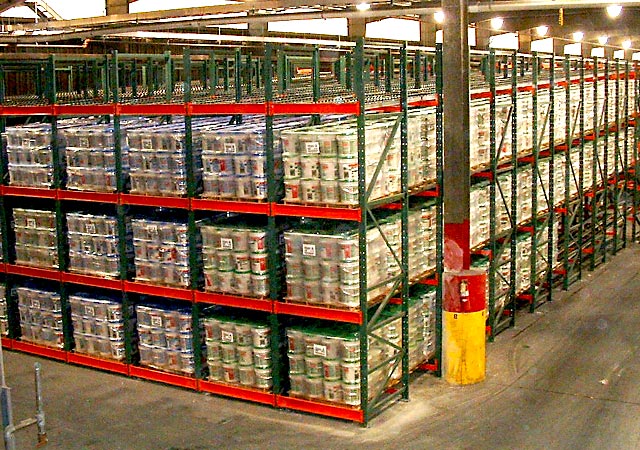
Pallet Flow Rack in Placitas, NM
Pallet flow rack in Placitas deserves a compatibility review before a layout takes shape. Specialty manufacturing and small-scale distribution can involve varied pallets, uneven demand, and limited access, making the choice of products for gravity lanes more important than maximizing depth.
For premises along the Highway 165 corridor or North I-25 frontage, we start by asking how loads enter the building and where they wait. A compact flex space needs room for replenishment and retrieval on opposite sides, not simply room for the rack structure.
Pallet Flow Rack Evaluation Process
Identify the repeatable loads
Bring pallet counts, SKU histories, and examples of changing production batches. We establish which loads repeat consistently enough for dedicated FIFO lanes and which irregular items would be awkward to retrieve from a queued storage arrangement.
Document movement variables
Record minimum and maximum pallet weights, underside details, load heights, and packaging variations. These inputs guide roller configuration and braking selection, with lane length and slope reviewed against the same operating range rather than separate assumptions.
Challenge the proposed footprint
Walk through delivery unloading, temporary staging, replenishment, and picking on the drawing. Limited truck access makes those transitions important; a dense storage block is not a workable answer if pallets cannot reach its loading face without repeated reshuffling.
Manage setup and operating review
Installation crews are coordinated around the agreed work zone and equipment access. We review pallet travel with representative loads, explain lane assignments, and discuss procedures for unusual movement before the arrangement becomes part of routine handling.
Gravity Flow Rack Starts With Compatibility
We begin with exceptions: the lightest load, the least consistent pallet, and the SKU that arrives in changing quantities. Those cases reveal whether gravity flow rack belongs in the operation and which inventory should stay in directly accessible storage instead.
The supplying and installing background of our division of Warehouse Equipment & Supplies Co. extends to 1997. We manage installation through crews and coordinate the work around defined access arrangements, rather than treating a smaller footprint as a reason to skip operational planning.
The recommendation should remain useful when production output changes. We consider pallet counts by SKU, replenishment frequency, and the number of batches held together. Shorter lanes or fewer dedicated products may preserve flexibility when deep lanes would lock too much space into one inventory pattern.
Protect Access in Compact Flex Space
Pallet Flow Racking Components and Limits
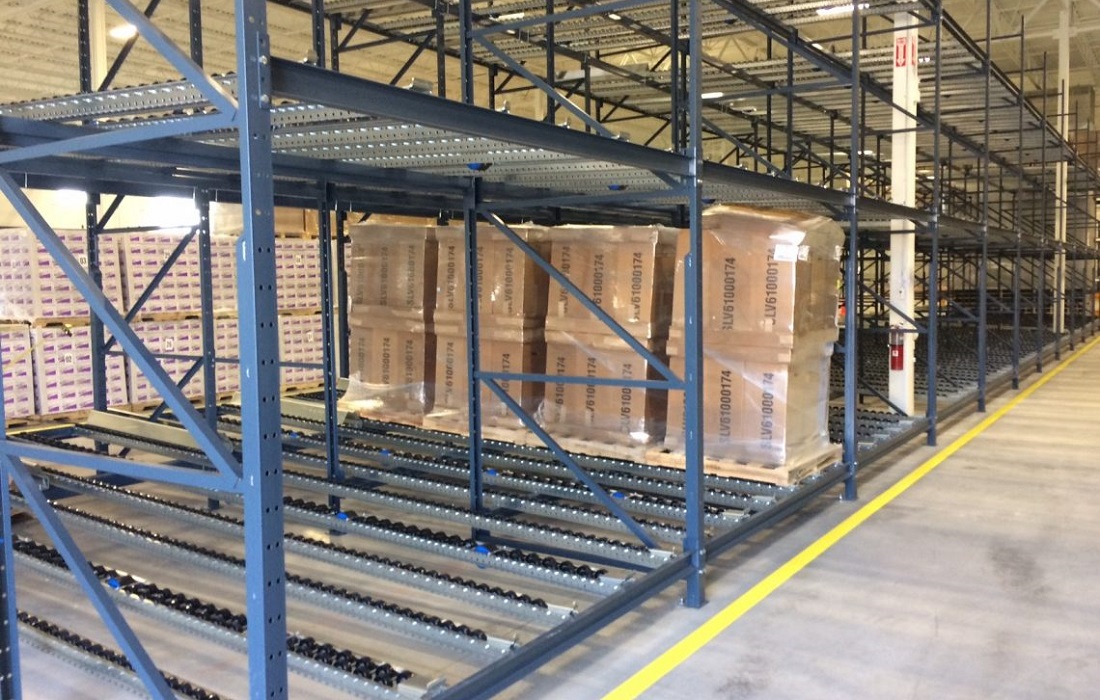
A gravity lane carries pallets on inclined rollers from its loading end toward the picking end. Brakes or speed controllers moderate movement; their selection depends on load characteristics and the lane arrangement. The slope and lane length must be considered together, not chosen independently to achieve a desired capacity figure.
Pallet bottom boards determine where the load contacts the rollers. Board direction, spacing, condition, and pallet deflection can affect travel, while wrapping or overhanging goods can create interference. We request representative pallets alongside dimensions and weights so compatibility questions remain visible during equipment selection.
Light and heavy loads need attention at both ends of the operating range. A lane that advances a full production pallet may not behave the same way with a lighter shipment. For specialty manufacturing near Placitas village, changing finished-goods quantities should therefore inform load testing and operating limits, not remain an informal exception.
Pallet flow racking supports FIFO when pallets enter at the back and leave from the opposite face. It suits dated or high-volume SKUs with repeat quantities. Pushback usually loads and picks at one face and follows last-in, first-out within a lane, making it a different choice when rotation is secondary to aisle arrangement.
Share Your Pallet Variations
Albuquerque Pallet Rack
2105 Vista Oeste NW
Suite E #3491
Albuquerque, NM 87120
(505) 436-7469Monday - Friday: 8:00 AM - 6:00 PM
Test the Storage Assumptions
- Which production SKUs retain consistent pallet dimensions across repeat batches?
- Can both loading and picking faces remain accessible during receiving?
- What are the lightest and heaviest loads the same lane must handle?
Load Compatibility Answers
Alternatives for Irregular Inventory
Pallet Rack
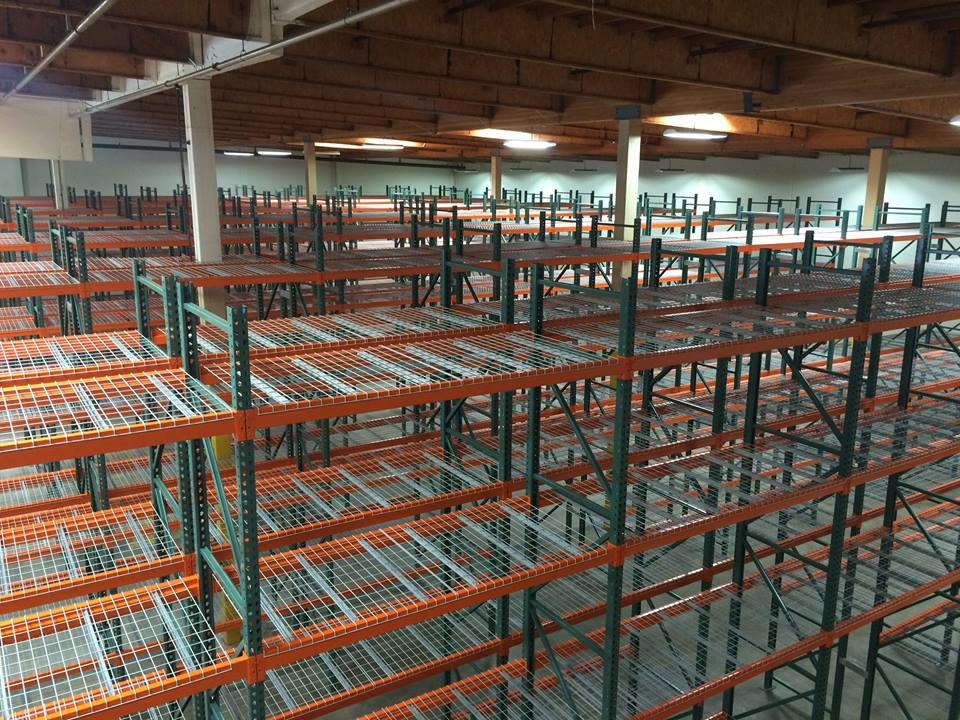
Every pallet reachable, every time. The baseline we size everything else against.
View details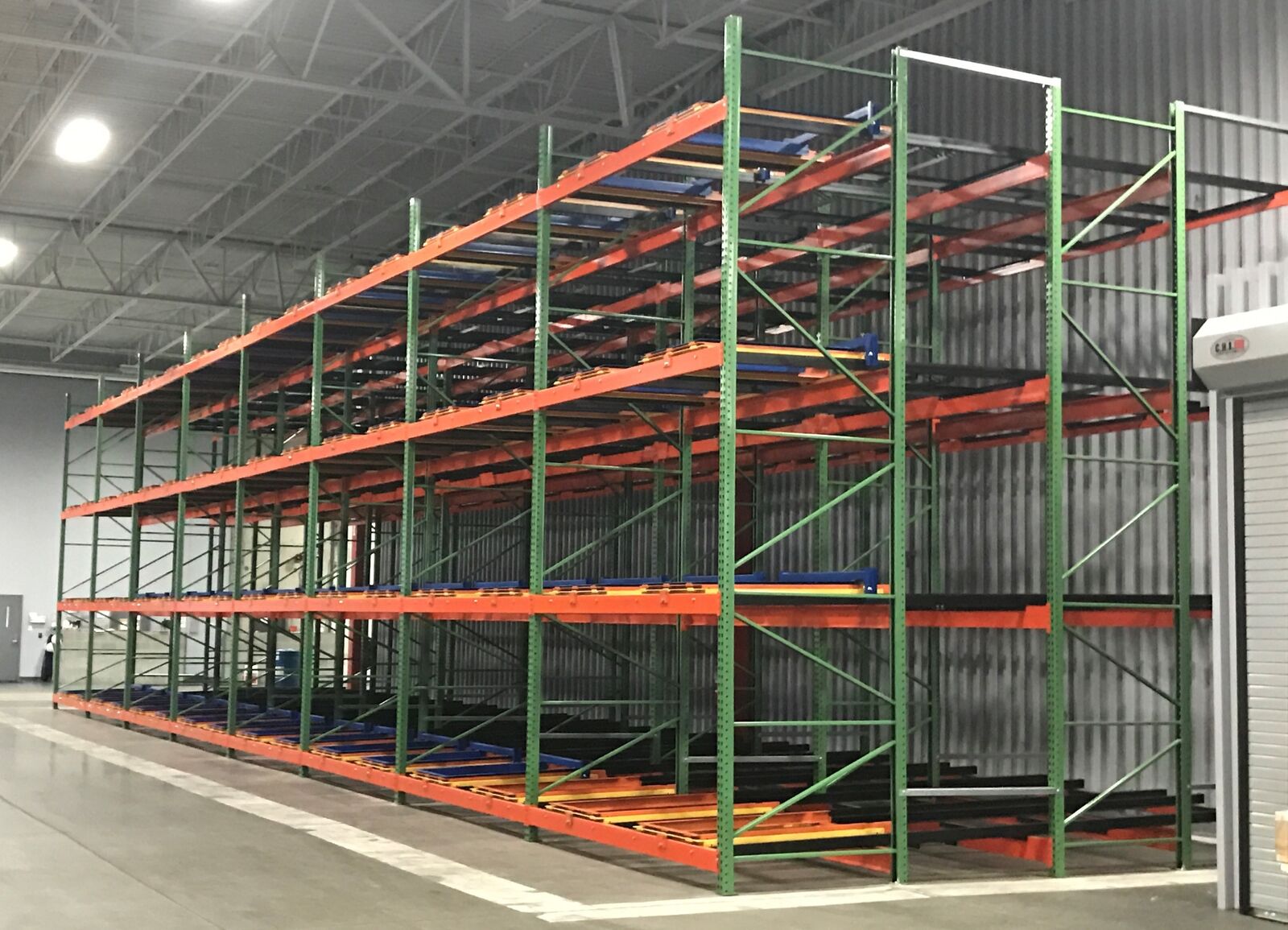
Pushback Rack
Two to six pallets deep from one aisle, without giving up much reach.
View details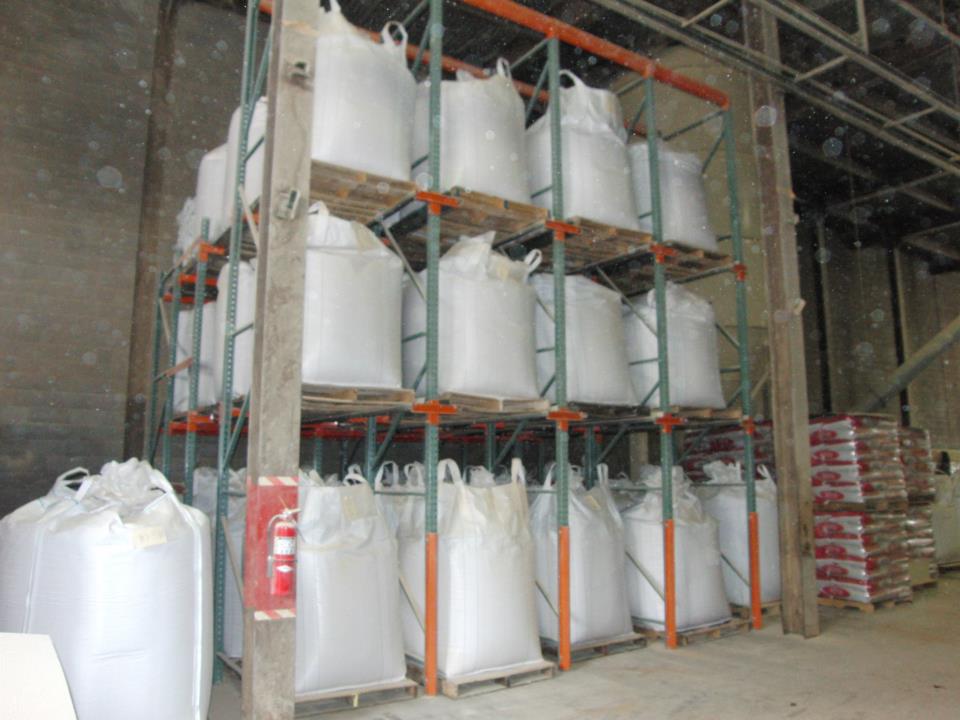
Drive-In Rack
No aisles. The forklift enters the structure, and the floor holds more pallets per square foot than any other system.
View details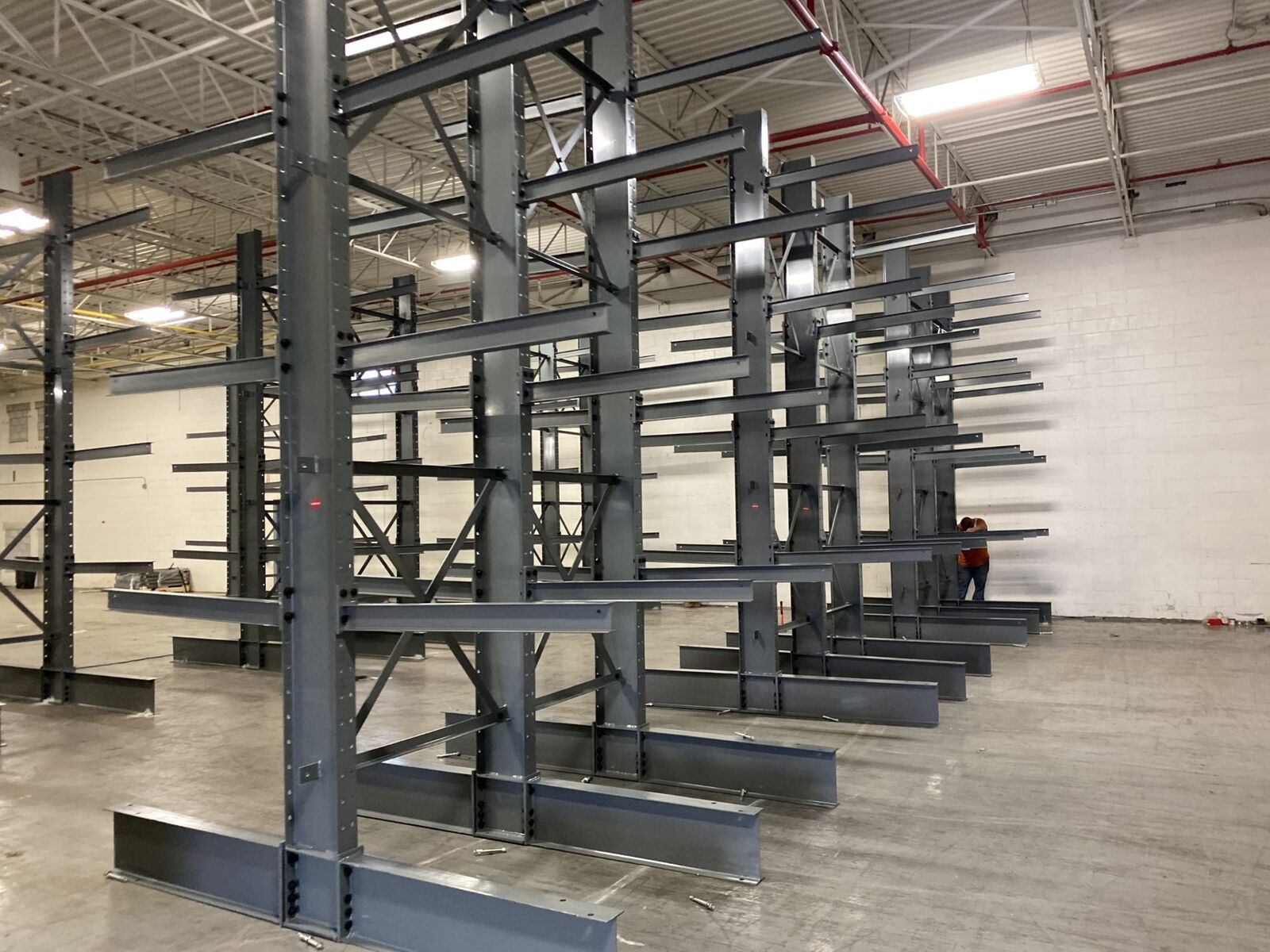
Cantilever Rack
Arms with nothing in front of them, built for lumber, pipe, and anything a pallet can't hold.
View details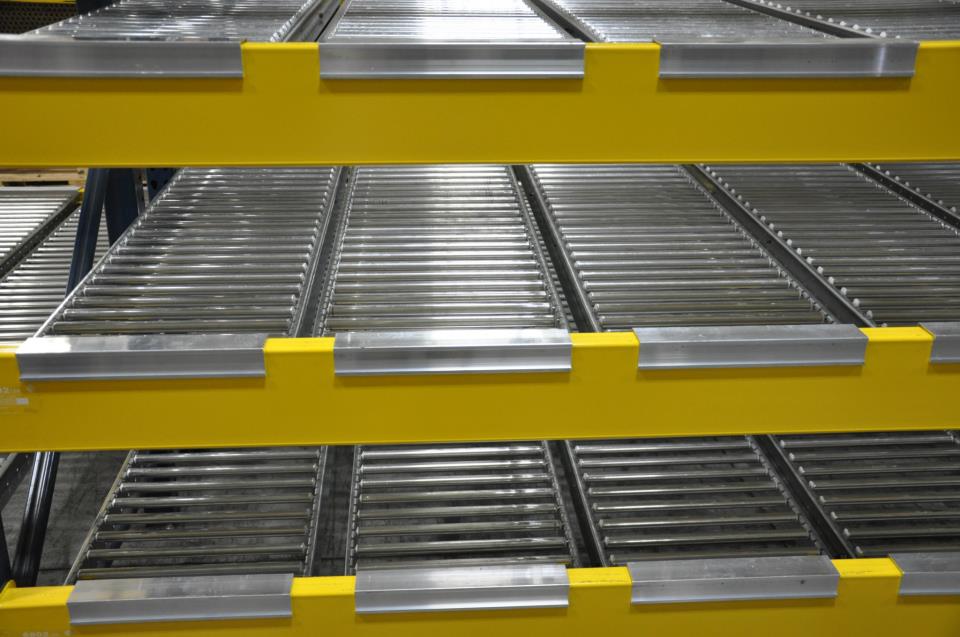
Carton Flow Rack
Cases advance to the picker instead of the picker hunting for cases.
View details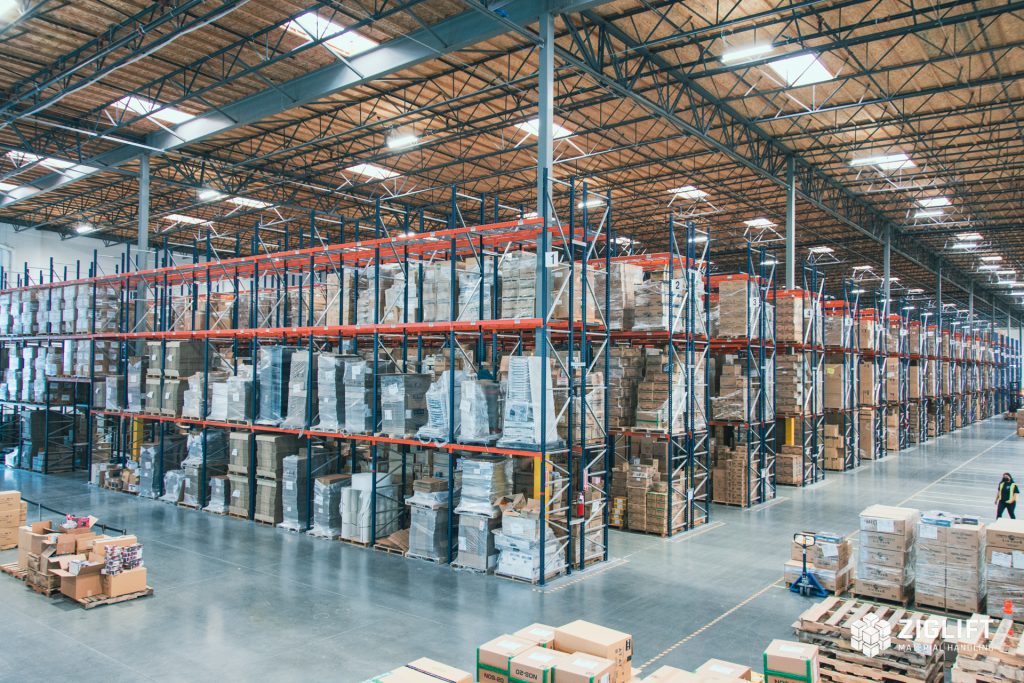
Warehouse Relocation
Move the storage system with a labeled teardown, destination layout, and phased reinstallation plan.
View detailsWhere We Work
Located in Albuquerque, we serve the entire metro and greater New Mexico with industrial pallet racks and warehouse storage solutions.
Albuquerque Pallet Rack
Address
2105 Vista Oeste NW
Suite E #3491
Albuquerque, NM 87120
Phone
(505) 436-7469Business Hours
Monday - Friday: 8:00 AM - 6:00 PM
Saturday: Closed
Sunday: Closed
Evaluate Your Repeat Loads
(505) 436-7469