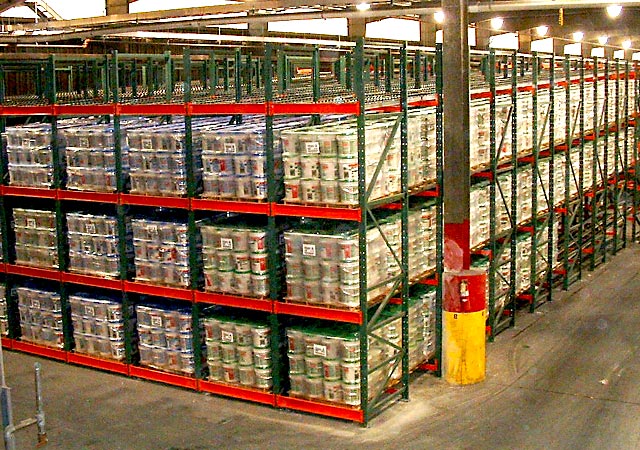
Pallet Flow Rack in Edgewood, NM
Pallet flow rack in Edgewood moves replenishment pallets toward a separate picking face, helping dated inventory leave in arrival order. Inclined roller lanes use gravity rather than powered conveyors, while brakes regulate travel. The arrangement suits repeated pallet quantities of the same product when receiving and dispatch need separate working aisles.
For distribution and freight operations along Route 66 industrial frontage, lane assignments should reflect shipment frequency rather than available space alone. Facilities near Venus Road also need room to approach both rack faces. A dense block loses its value if outbound staging obstructs the picking aisle or incoming freight blocks replenishment.
Pallet Flow Rack Planning for Freight Operations
We begin with the product mix, not a predetermined lane count. A regional supply business may have several fast sellers worth dedicating to deep lanes, alongside slower items better kept individually accessible. Separating those groups helps avoid tying valuable positions to inventory that rarely moves.
Albuquerque Pallet Rack operates as a division of Warehouse Equipment & Supplies Co., supplying and installing since 1997. Our planning connects the rack structure, roller specification, pallet condition, and forklift approach so the purchase addresses a complete handling sequence rather than isolated components.
East Mountain weather and changing truck arrivals belong in the installation discussion. We schedule and manage installation crews around agreed access areas, delivery arrangements, and active receiving routes. Work boundaries and material staging are established with your team rather than assuming the building can suspend freight handling.
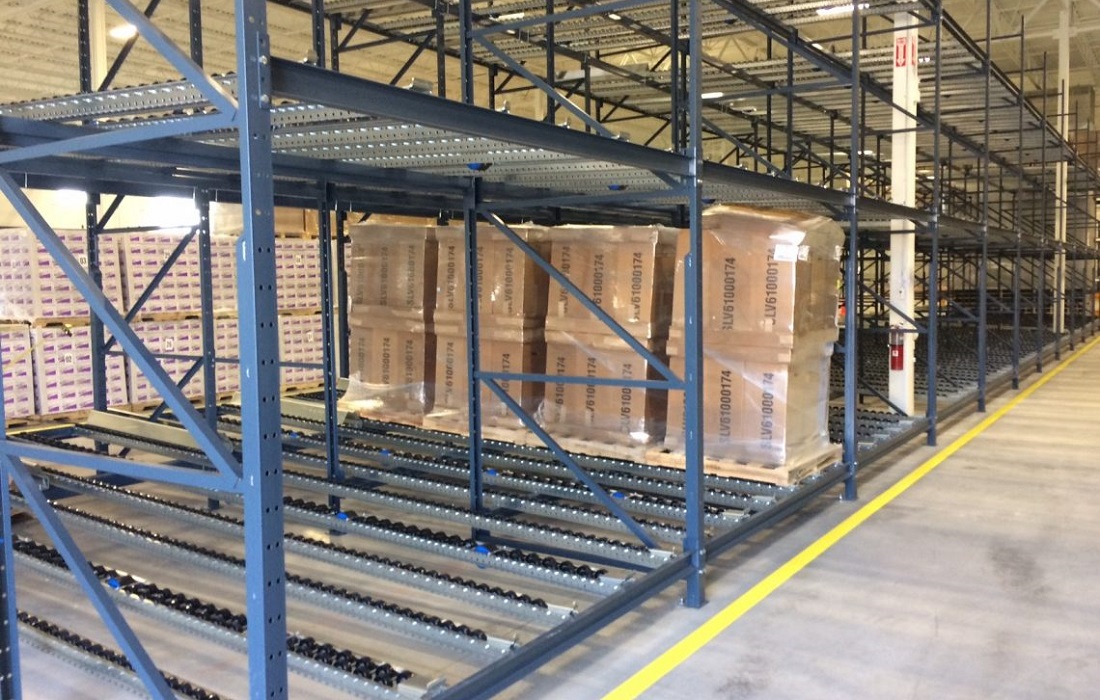
Keep Both Working Faces Accessible
Pallet Flow Racking Components and Lane Geometry
Pallet flow racking provides FIFO movement within each correctly replenished lane: pallets enter at the higher end and leave from the lower end. Opposite loading and picking aisles separate replenishment from retrieval. Product identification and disciplined lane assignments remain necessary; gravity alone cannot prevent employees from mixing incompatible lots.
Roller diameter, spacing, and track arrangement depend on pallet construction. Bottom boards, runners, openings, and deflection determine how the base contacts the rollers. Light loads must develop enough movement to advance, while heavy loads require suitable component ratings and controlled descent. Representative pallets should include the actual weight range.
Lane slope and depth are selected together with speed controllers, discharge stops, and any required pallet separation mechanism. More depth increases stored inventory but also affects accumulated pressure and access to a stalled pallet. Brake selection must account for load variation instead of assuming that one setting suits every product.
Compared with pushback, which normally loads and retrieves from one face in last-in, first-out order, gravity flow rack supports rotation through two working faces. That makes dated or high-volume stock a stronger candidate. Many low-volume product lines may instead need selective storage because dedicated lanes can leave partly occupied positions.
From Load Profile to Controlled Travel
Profile the replenishment stream
Share pallet dimensions, minimum and maximum weights, lot practices, and shipment patterns. We identify products that can sustain dedicated lanes and note exceptions such as broken boards, overhanging loads, or mixed pallet bases that need separate handling decisions.
Map two working faces
The layout establishes loading and picking aisles, lane quantities, elevations, and staging boundaries. We review forklift access from each direction and check whether the proposed depth matches inventory quantities without consuming space needed for receiving or dispatch.
Confirm rolling behavior
Representative load trials inform roller support, lane pitch, and braking choices. The review considers initial movement, controlled travel, and presentation at the discharge end, including how the next pallet remains restrained while the lead load is removed.
Coordinate the handover
Following approval, we coordinate supply and managed installation crews. Handover covers designated load limits, loading direction, pallet acceptance, and operating checks so your staff understands how to replenish lanes and recognize conditions requiring a lane to be taken out of service.
Price Your Lane Arrangement
Albuquerque Pallet Rack
2105 Vista Oeste NW
Suite E #3491
Albuquerque, NM 87120
(505) 436-7469Monday - Friday: 8:00 AM - 6:00 PM
Pallet Flow Rack Design Questions
- Which products justify dedicated FIFO lanes?
- Do all pallet bases share the same runner pattern?
- Can receiving and picking remain on opposite faces?
FIFO Purchasing Answers
Compare Storage Methods
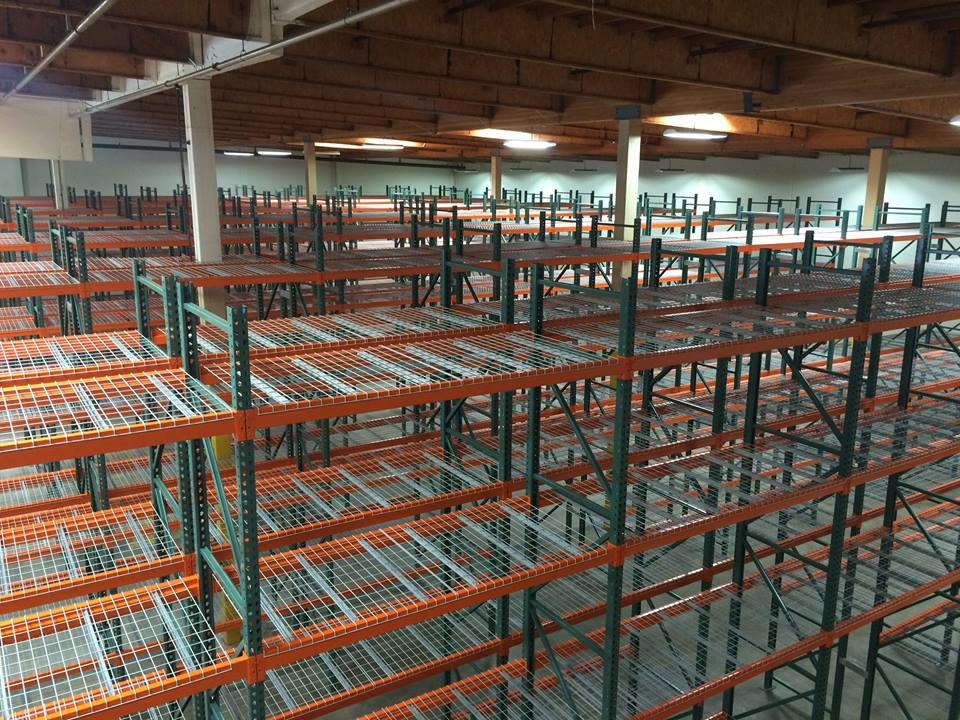
Pallet Rack
Every pallet reachable, every time. The baseline we size everything else against.
View details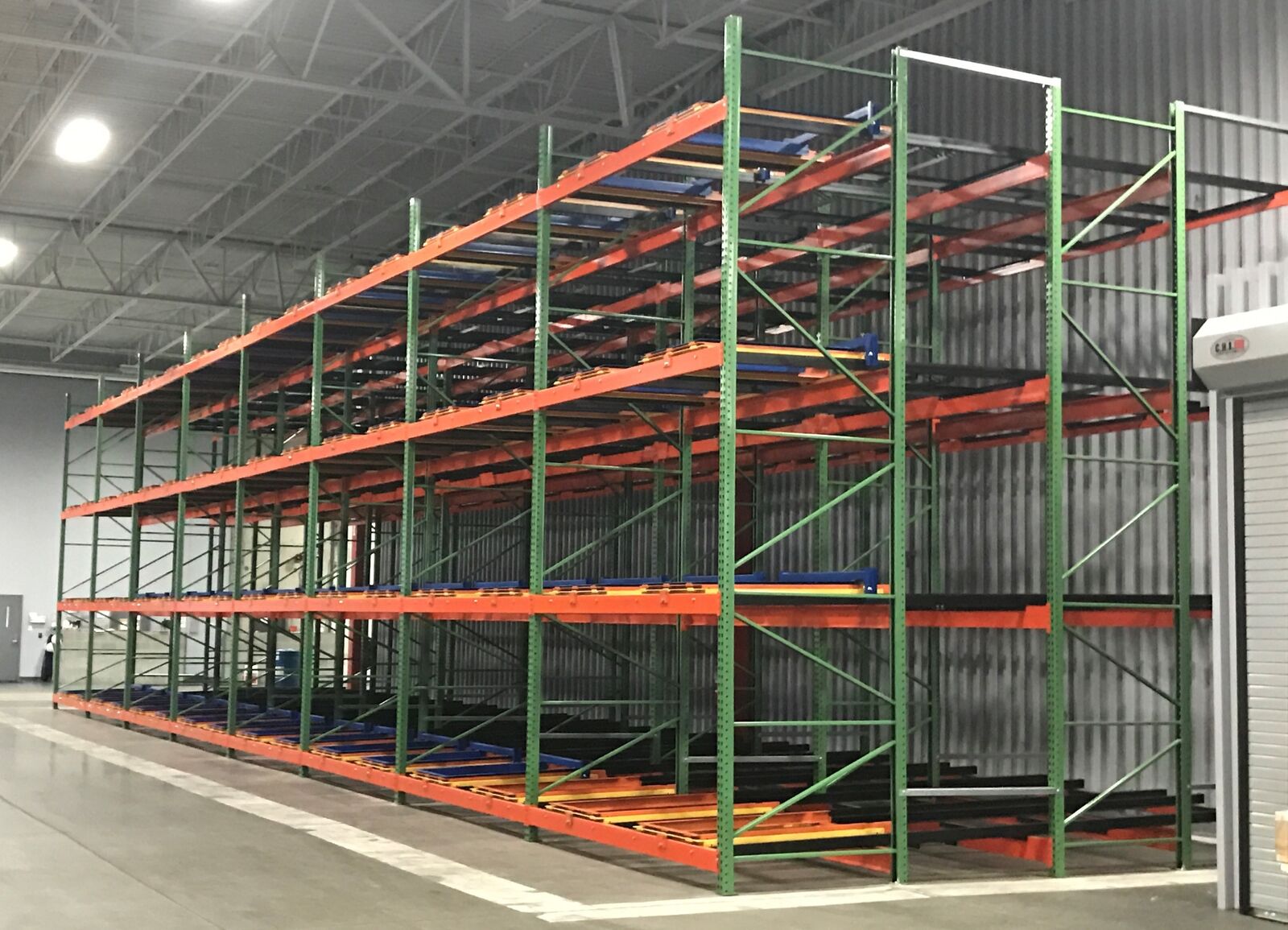
Pushback Rack
Two to six pallets deep from one aisle, without giving up much reach.
View details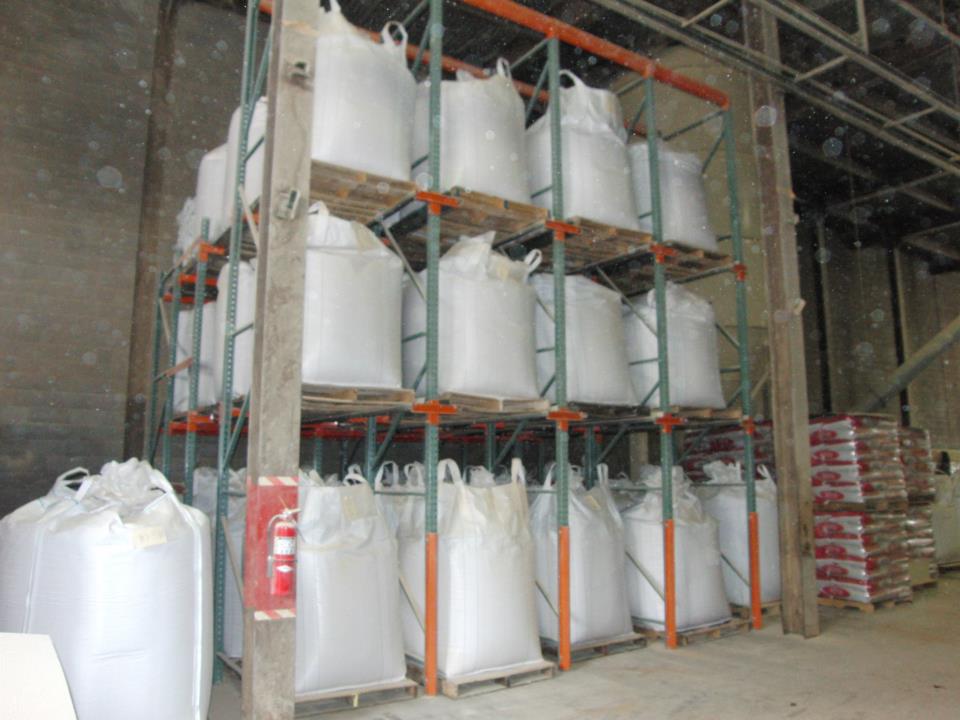
Drive-In Rack
No aisles. The forklift enters the structure, and the floor holds more pallets per square foot than any other system.
View details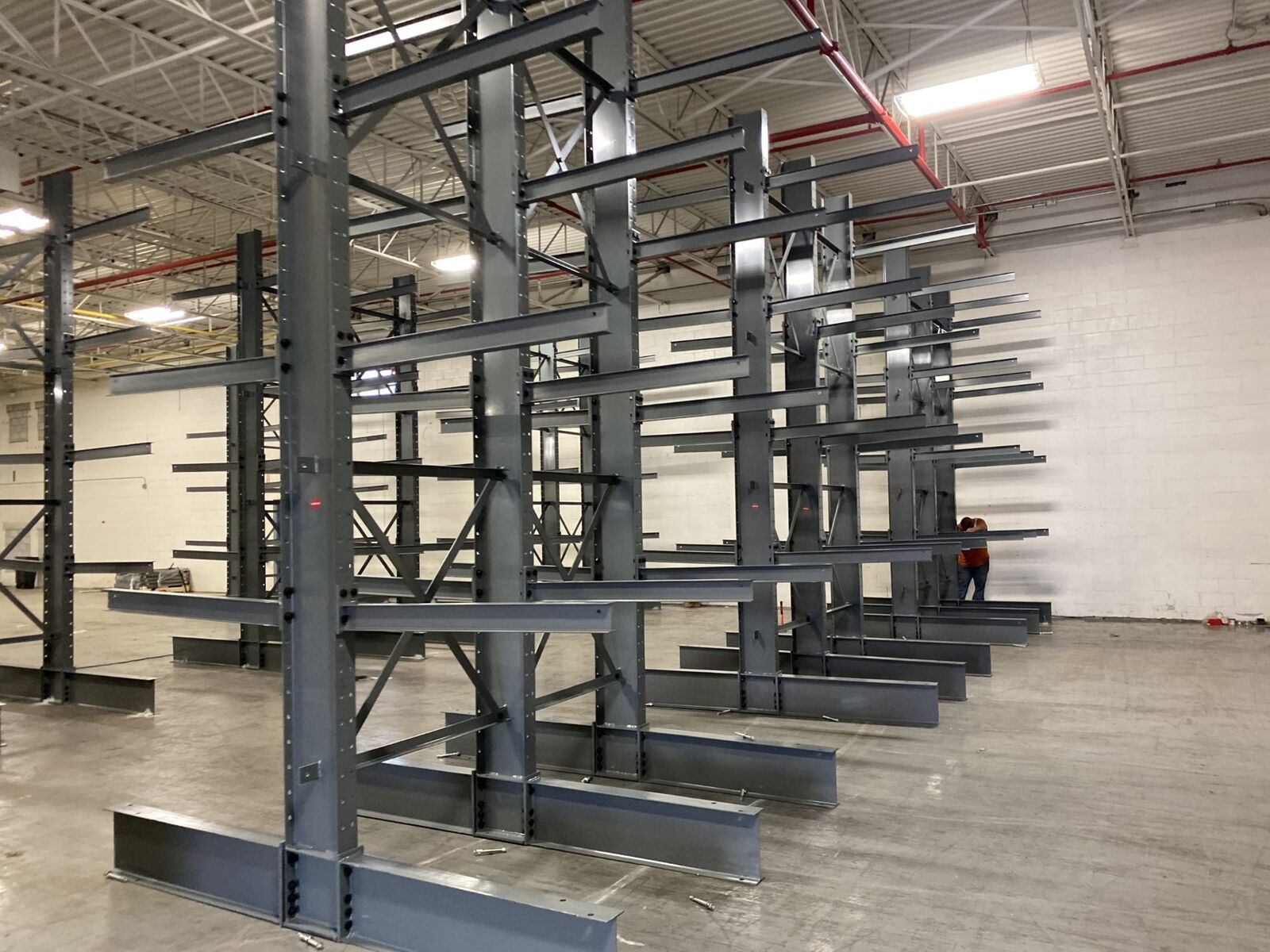
Cantilever Rack
Arms with nothing in front of them, built for lumber, pipe, and anything a pallet can't hold.
View details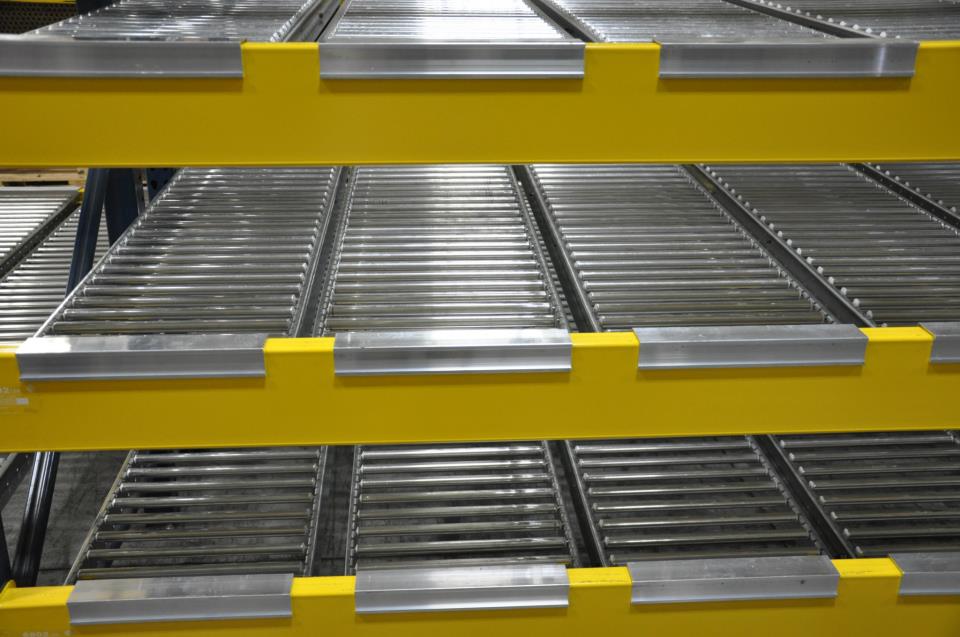
Carton Flow Rack
Cases advance to the picker instead of the picker hunting for cases.
View details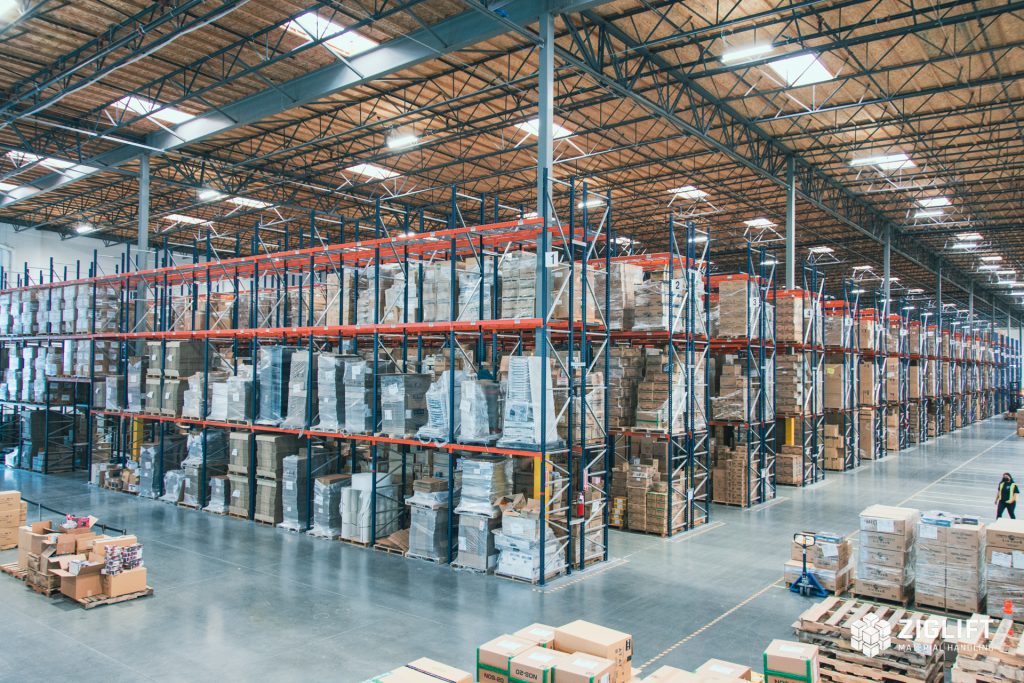
Warehouse Relocation
Move the storage system with a labeled teardown, destination layout, and phased reinstallation plan.
View detailsWhere We Work
Located in Albuquerque, we serve the entire metro and greater New Mexico with industrial pallet racks and warehouse storage solutions.
Albuquerque Pallet Rack
Address
2105 Vista Oeste NW
Suite E #3491
Albuquerque, NM 87120
Phone
(505) 436-7469Business Hours
Monday - Friday: 8:00 AM - 6:00 PM
Saturday: Closed
Sunday: Closed
Discuss Your Inventory Rotation
(505) 436-7469