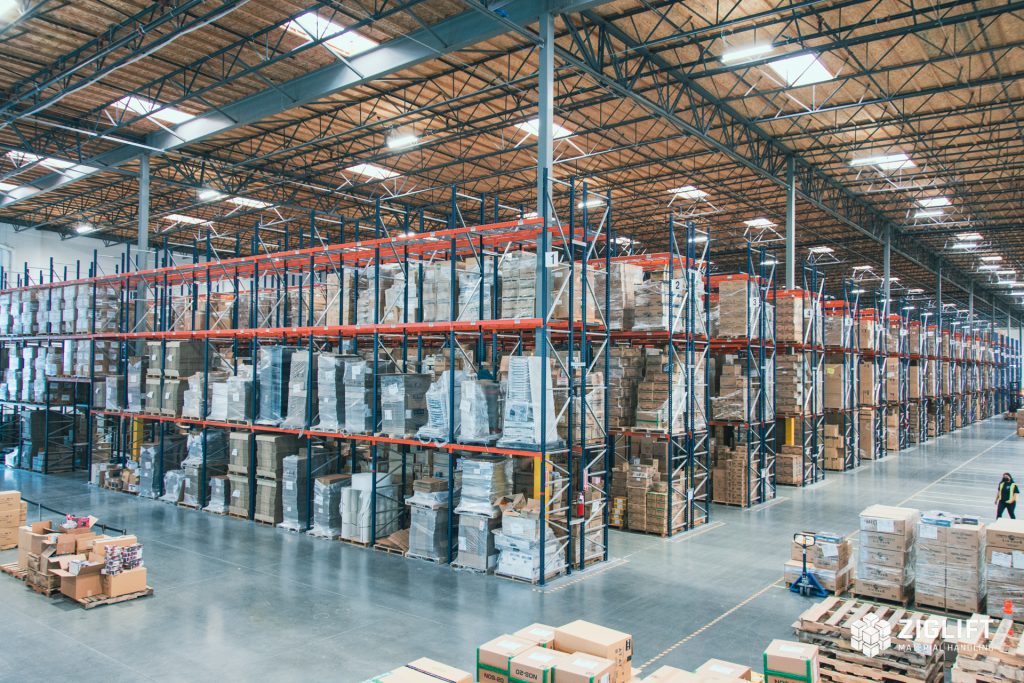
Warehouse Relocation in Edgewood, NM
Warehouse relocation in Edgewood starts by recording which rack bays can move and which components should stay out of service. For building materials storage along Route 66 industrial frontage, that inventory should include long bundles, pallet overhang, and the turning space needed when the destination receives its first shipments.
Venus Road access belongs in the transport conversation before teardown begins. Compare vehicle approach, unloading space, and the order in which bundles must arrive. A move plan should link each tagged source bay to a destination position rather than leave installers sorting unidentified beams beside a busy receiving door.
Warehouse Relocation With Tagged Components
We approach rack relocation as a sequence of connected decisions: document the existing structure, establish acceptable components, then settle the destination arrangement. A bay that fits in the old building may need different beam elevations or aisle spacing when the forklift approach changes.
Our role as a division of Warehouse Equipment & Supplies Co. connects this move planning with a business supplying and installing since 1997. We schedule and manage installation crews around agreed access windows, with responsibilities for emptying bays, handling inventory, and releasing work areas established before dismantling starts.
Our sales are new material only, while the owner's suitable existing equipment has its own transfer register. Damaged or unsuitable pieces are identified for replacement with new parts, and proposed additions are checked against the retained system before ordering.
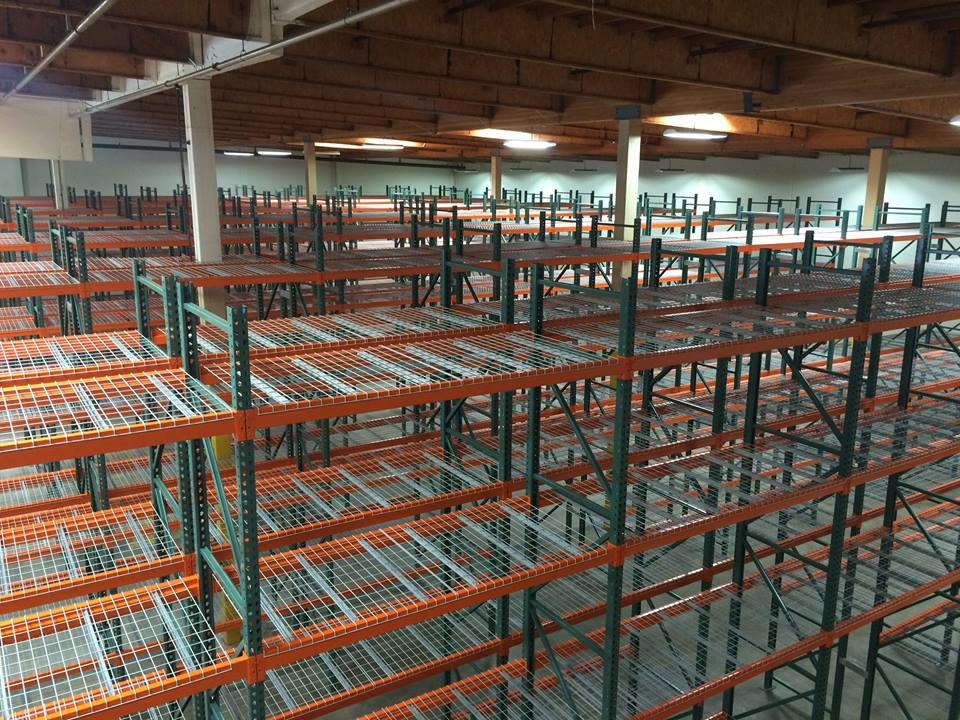
Separate Stock From Work Areas
Pallet Rack Relocation Scope
For pallet rack relocation, the source survey records upright dimensions, beam lengths, connector styles, bracing, accessories, and visible identification. Labels connect photographs and component counts to individual rows. Inspect for bent members, damaged connectors, missing locks, or other concerns; uncertain pieces remain excluded until their suitability is established.
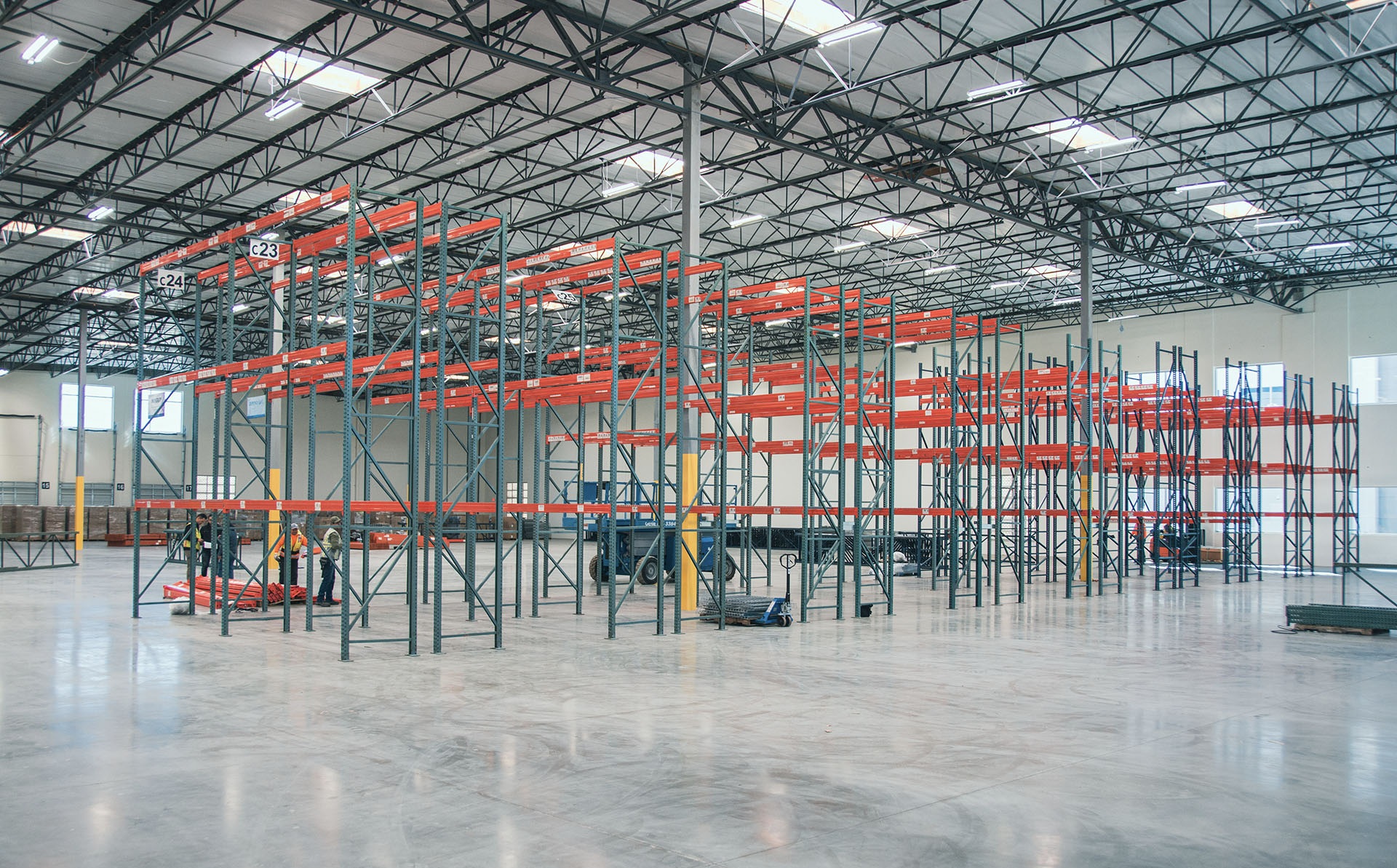
Destination CAD layout work places retained rows against measured doors, columns, forklift travel, and stock dimensions. Frame and beam compatibility and capacity are reviewed together using available manufacturer information and intended loading. Similar appearance alone is not enough to approve mixed components or carry old loading assumptions into another arrangement.
Teardown follows the agreed release sequence after stock is removed from the work zone. Components are bundled by type and destination phase, with labels kept readable. The load plan accounts for bundle dimensions, lifting access, and unloading order, while transport coordination aligns carrier arrivals with available staging space.
Reinstallation positions accepted frames and beams to the approved arrangement and anchors the rack to the floor. New matching rack additions can extend storage where the revised plan calls for more positions. Final checks address connections, locks, anchors, row identification, and operating limits before the relevant area returns to use.
Rack Relocation From Survey to Handover
Map the starting inventory
Send photographs, component records, pallet weights, and a sketch of the current rows. We reconcile the survey against your desired storage count so missing parts and unsuitable members become planning items before any loaded bay is released.
Approve the receiving footprint
Review the destination drawing with the people responsible for receiving and picking. Identify clear travel lanes, temporary stock locations, and where incoming rack bundles can wait without blocking the next unloading operation or the planned installation zone.
Assign shipment phases
Choose which rows move first and document the handoff between dismantling, loading, transport, and receiving. Weather or truck changes may require resequencing; phased shipping access reduces conflicts but does not guarantee uninterrupted service while storage areas change.
Rebuild and release sections
Managed crews reinstall each released section, anchor it to the floor, and check the specified component arrangement. Review new matching additions alongside relocated bays, then communicate loading restrictions and remaining work boundaries before operators begin replenishing the completed section.
Price the Defined Move Scope
Albuquerque Pallet Rack
2105 Vista Oeste NW
Suite E #3491
Albuquerque, NM 87120
(505) 436-7469Monday - Friday: 8:00 AM - 6:00 PM
Resolve the Receiving Footprint
- Which building materials require deeper bays or wider turning space at the destination?
- Can labeled bundles unload in assembly order without occupying the active shipping lane?
- What manufacturer records and load weights are available for reviewing retained frames and beams?
Moving Building Materials: Buyer Questions
Consider New Matching Bays
Pallet Rack
Every pallet reachable, every time. The baseline we size everything else against.
View details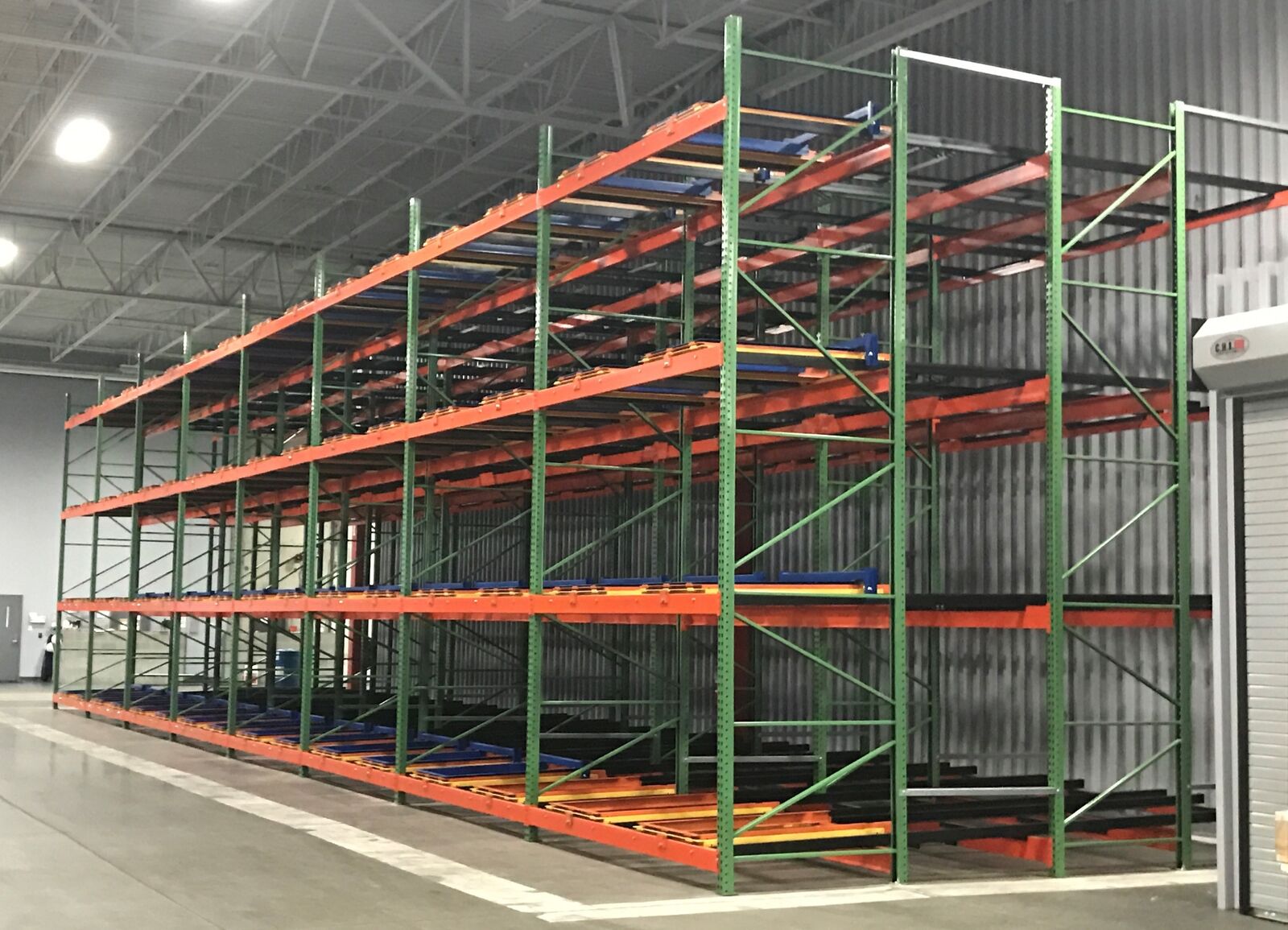
Pushback Rack
Two to six pallets deep from one aisle, without giving up much reach.
View details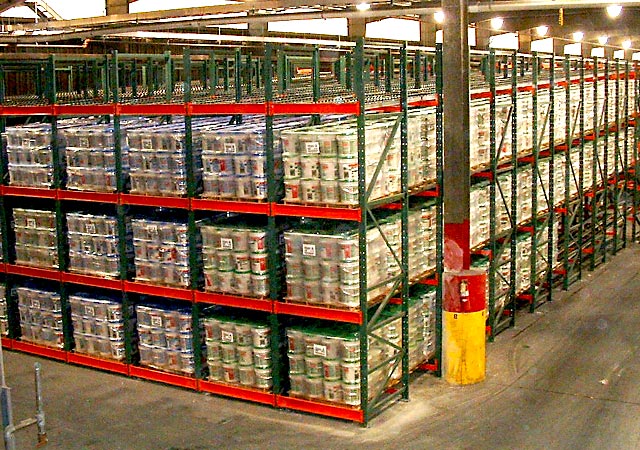
Pallet Flow Rack
Load one side, pick the other, and let gravity enforce first in, first out.
View details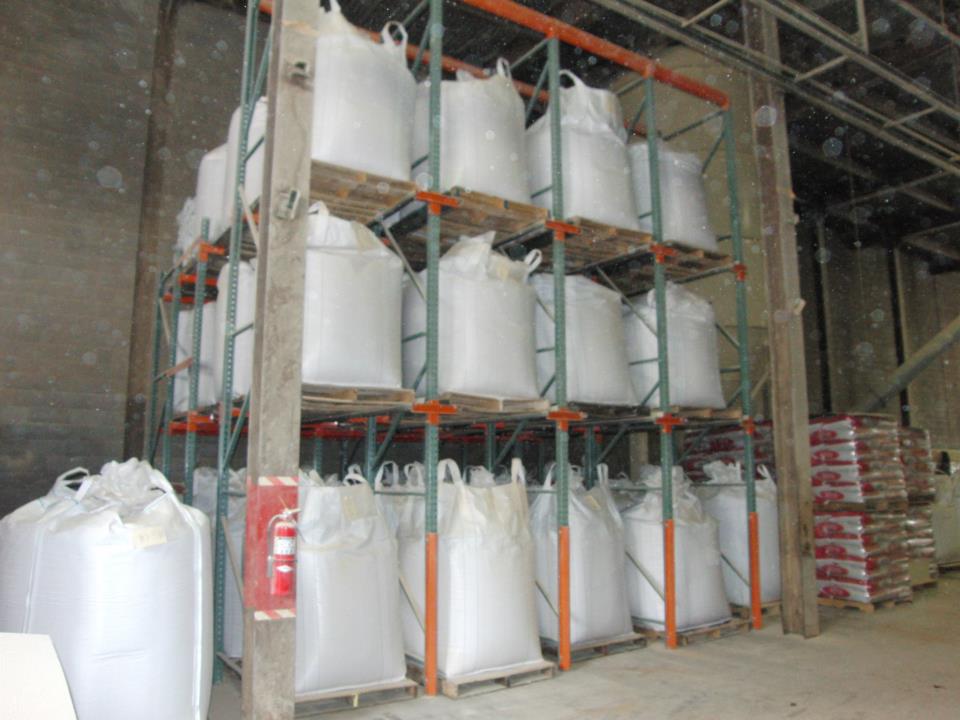
Drive-In Rack
No aisles. The forklift enters the structure, and the floor holds more pallets per square foot than any other system.
View details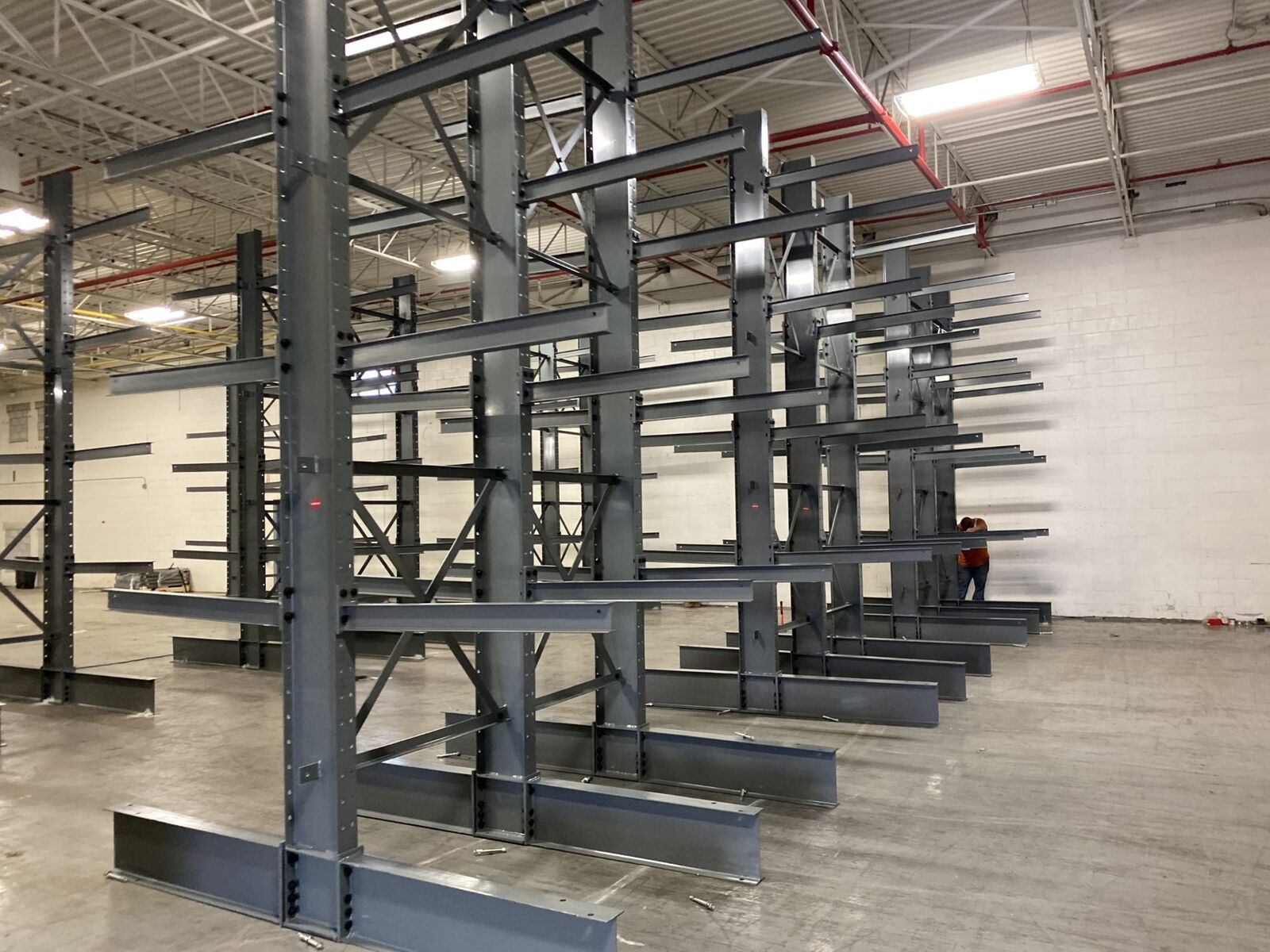
Cantilever Rack
Arms with nothing in front of them, built for lumber, pipe, and anything a pallet can't hold.
View details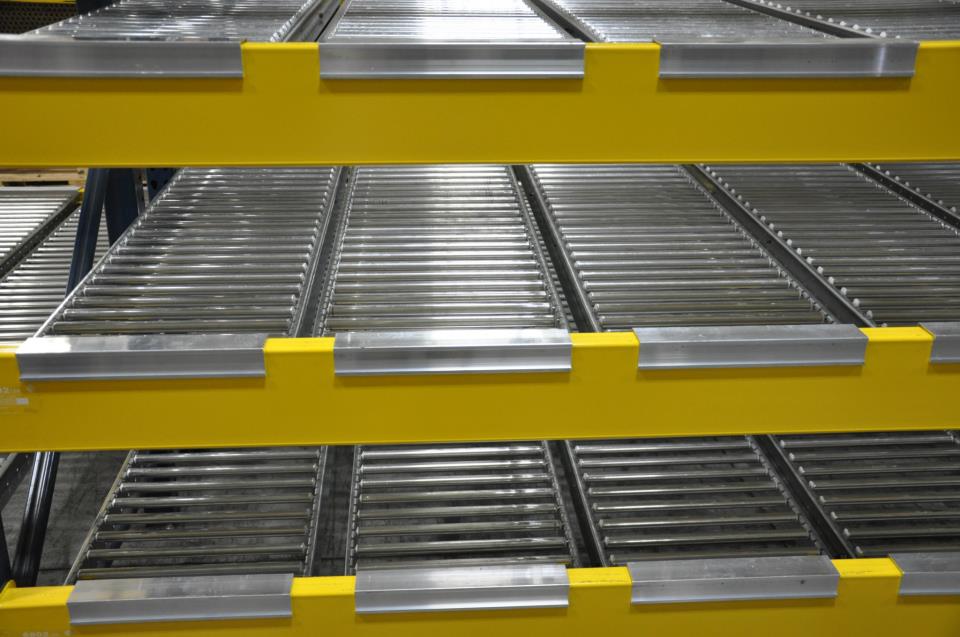
Carton Flow Rack
Cases advance to the picker instead of the picker hunting for cases.
View detailsWhere We Work
Located in Albuquerque, we serve the entire metro and greater New Mexico with industrial pallet racks and warehouse storage solutions.
Albuquerque Pallet Rack
Address
2105 Vista Oeste NW
Suite E #3491
Albuquerque, NM 87120
Phone
(505) 436-7469Business Hours
Monday - Friday: 8:00 AM - 6:00 PM
Saturday: Closed
Sunday: Closed
Send Your Source and Destination Plans
(505) 436-7469