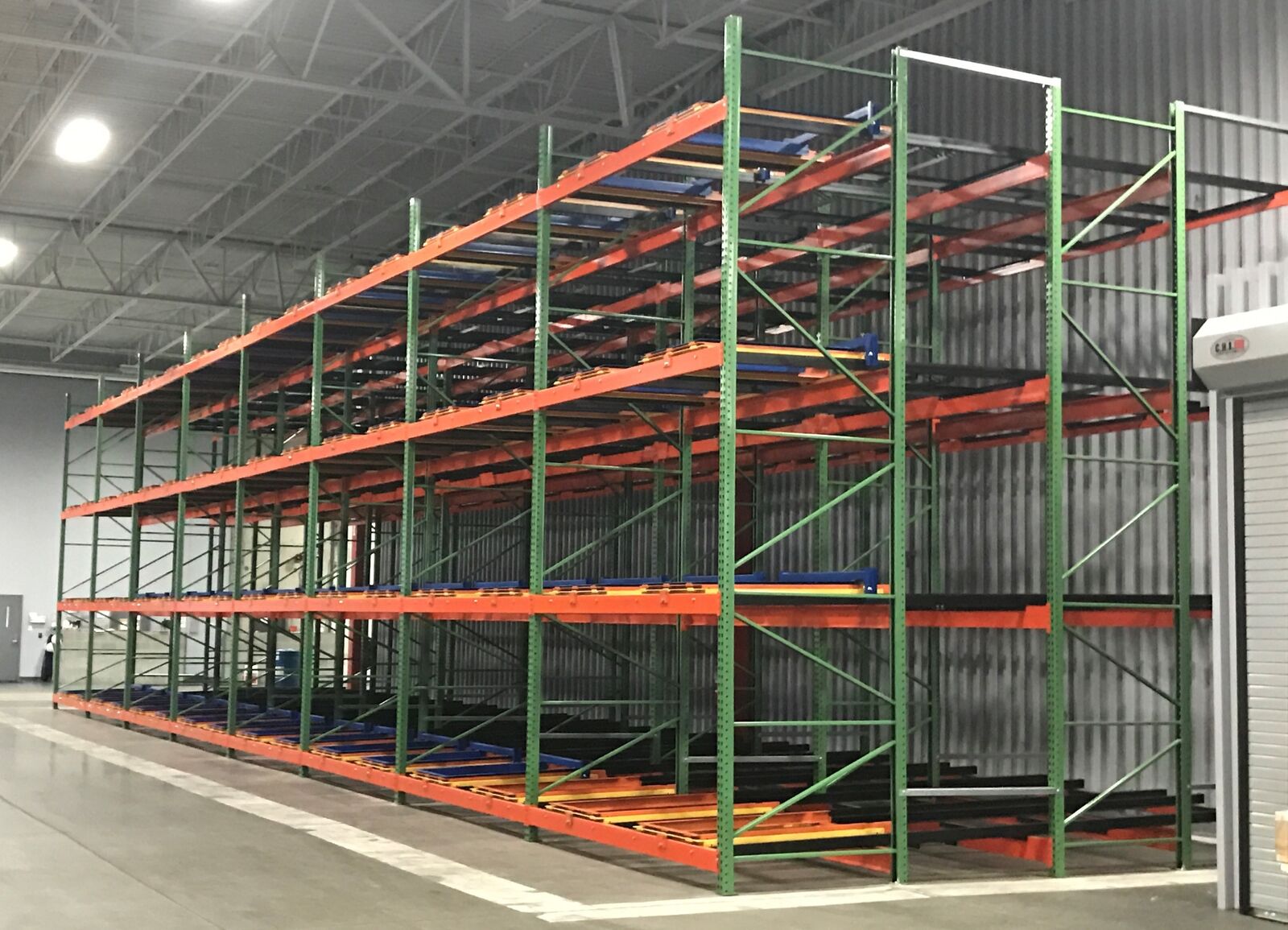
Pushback Rack in Socorro, NM
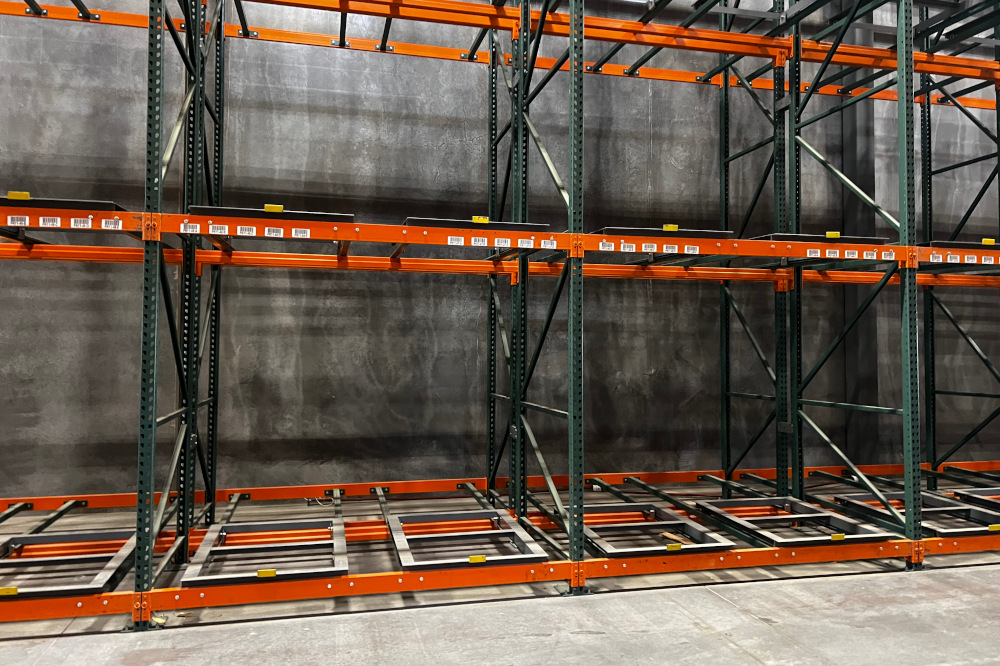
Pushback rack in Socorro concentrates reserve pallets into lanes served from a single working face. Two to six deep nested carts travel on inclined rails: each incoming pallet moves the previous load backward, and retrieval allows the remaining carts to return toward the aisle. Operators handle loads from the front rather than entering the storage lane.
The storage sequence is LIFO, or last in, first out. For agriculture inventory around Socorro Industrial Park, that makes stock rotation a deciding factor before aisle reduction becomes a goal. Products requiring the oldest pallet first may belong in another format, while repeat pallets of one suitable SKU can share a lane without adding a separate access aisle.
Plan Pushback Rack Before Scheduling Work
Map inventory behavior
Group reserve pallets by SKU and record which lots must ship first. Identify stable repeat quantities separately from short runs, seasonal surges, and items that need immediate individual access.
Survey the working face
Measure aisle width, forklift approach, door clearance, and pallet presentation. At an I-25 South industrial frontage facility, include the receiving path when deciding where the storage face should begin and end.
Specify the supporting structure
Set cart depth alongside beam elevations and frame dimensions. Review maximum pallet weights, clearances between loaded levels, and the truck’s capacity at the proposed lift heights before accepting the layout.
Prepare for managed installation
Confirm the unloading location and material staging area, then coordinate the sequence around warehouse movements. Review the completed lane assignments and operating instructions before putting the first loads into storage.
Push back racking choices that shape capacity
Depth follows SKU counts. Six pallet positions behind a single face are not useful if most assigned items only occupy two positions. Compare normal quantities, replenishment batch sizes, and the number of separate SKUs before selecting a mix of shallow and deeper lanes.
A beam pair supports each level’s specified track assembly, with capacities checked for the manufacturer’s load arrangement. Frame height, vertical level spacing, pallet clearance, and upright capacity must be considered together; adding another beam level changes the loading assigned to the frame.
Compared with selective rack, the cart system trades individual pallet access for fewer aisles and deeper storage. Compared with drive-in, it keeps the forklift outside the lane. Neither comparison makes it a replacement for every SKU: access frequency and rotation rules should determine the storage mix.
An existing rack line is not automatically convertible. Beam connections, track supports, frame condition, and documented capacities must suit the selected equipment. Where compatibility cannot be established, plan a new assembly instead of treating carts as universal attachments to available beams.
A coordinated pushback rack specification
We treat the pallet, cart, supporting beams, and upright frames as one specified assembly. That helps buyers see whether a proposed position count matches their actual loads and whether the truck can reach each planned level.
Operating as a division of Warehouse Equipment & Supplies Co., supplying and installing since 1997, we supply new storage systems and arrange installation through managed crews. The scope can include layout planning, component selection, and coordination around active warehouse access.
For facilities between the larger metro markets, collecting measurements and access details before scheduling work matters. We focus the initial discussion on usable lane capacity, handling restrictions, and installation boundaries rather than assuming every building accepts the same bay arrangement.
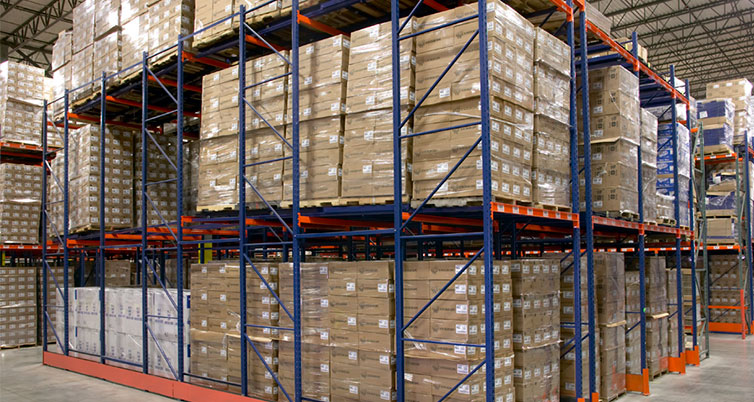
Plan around daily pallet movements
Get a storage configuration proposal
Albuquerque Pallet Rack
2105 Vista Oeste NW
Suite E #3491
Albuquerque, NM 87120
(505) 436-7469Monday - Friday: 8:00 AM - 6:00 PM
Test the proposed storage mix
- Which agriculture products can tolerate LIFO handling, and which require separate locations because batch identification or expiration dates control the next pallet picked?
- How much loaded pallet height can the building accept after allowing for the cart assembly, beam elevations, and required operating clearances at each storage level?
- Will the proposed lane mix remain workable when seasonal stock falls, or would shorter lanes preserve more usable locations for the quieter part of the year?
Pushback rack decisions for reserve inventory
Other ways to organize reserve stock
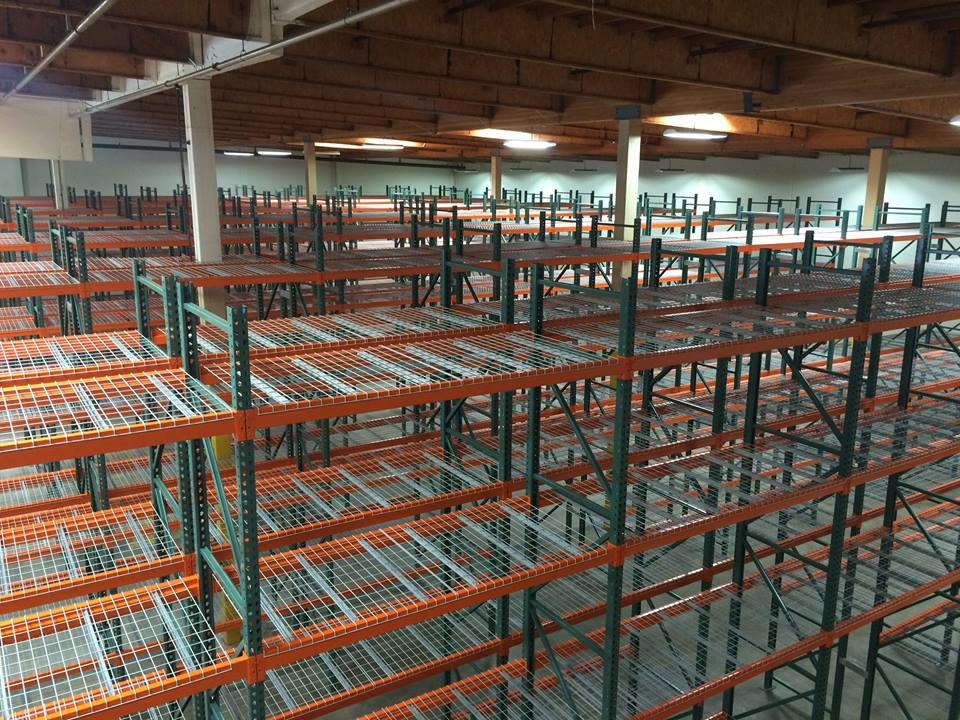
Pallet Rack
Every pallet reachable, every time. The baseline we size everything else against.
View details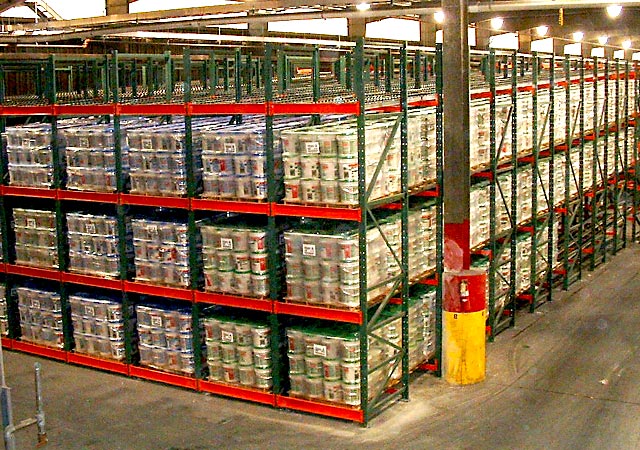
Pallet Flow Rack
Load one side, pick the other, and let gravity enforce first in, first out.
View details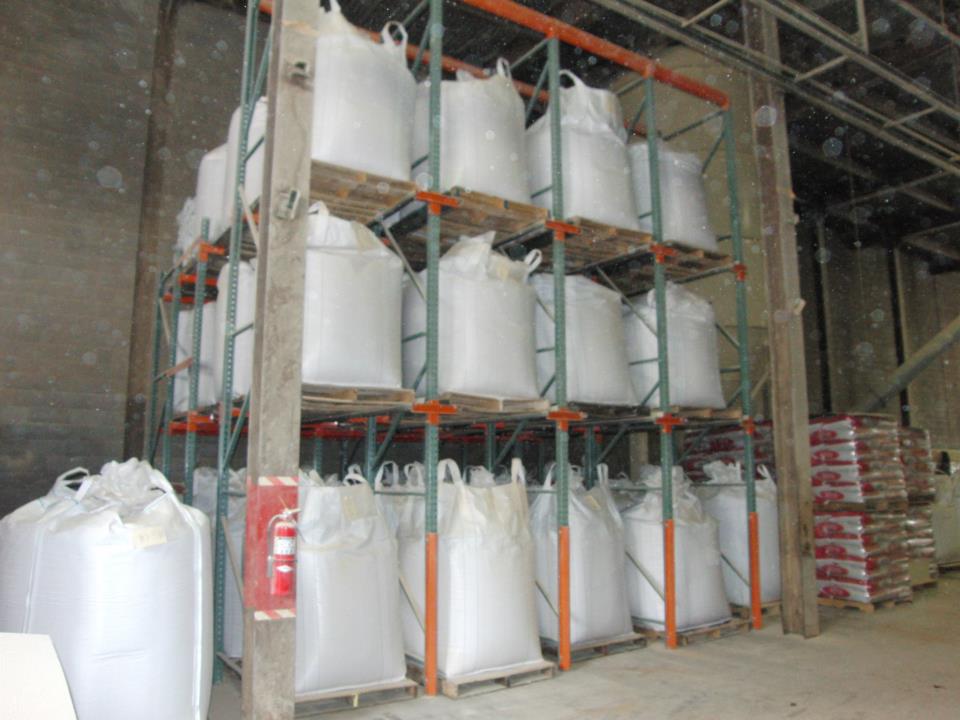
Drive-In Rack
No aisles. The forklift enters the structure, and the floor holds more pallets per square foot than any other system.
View details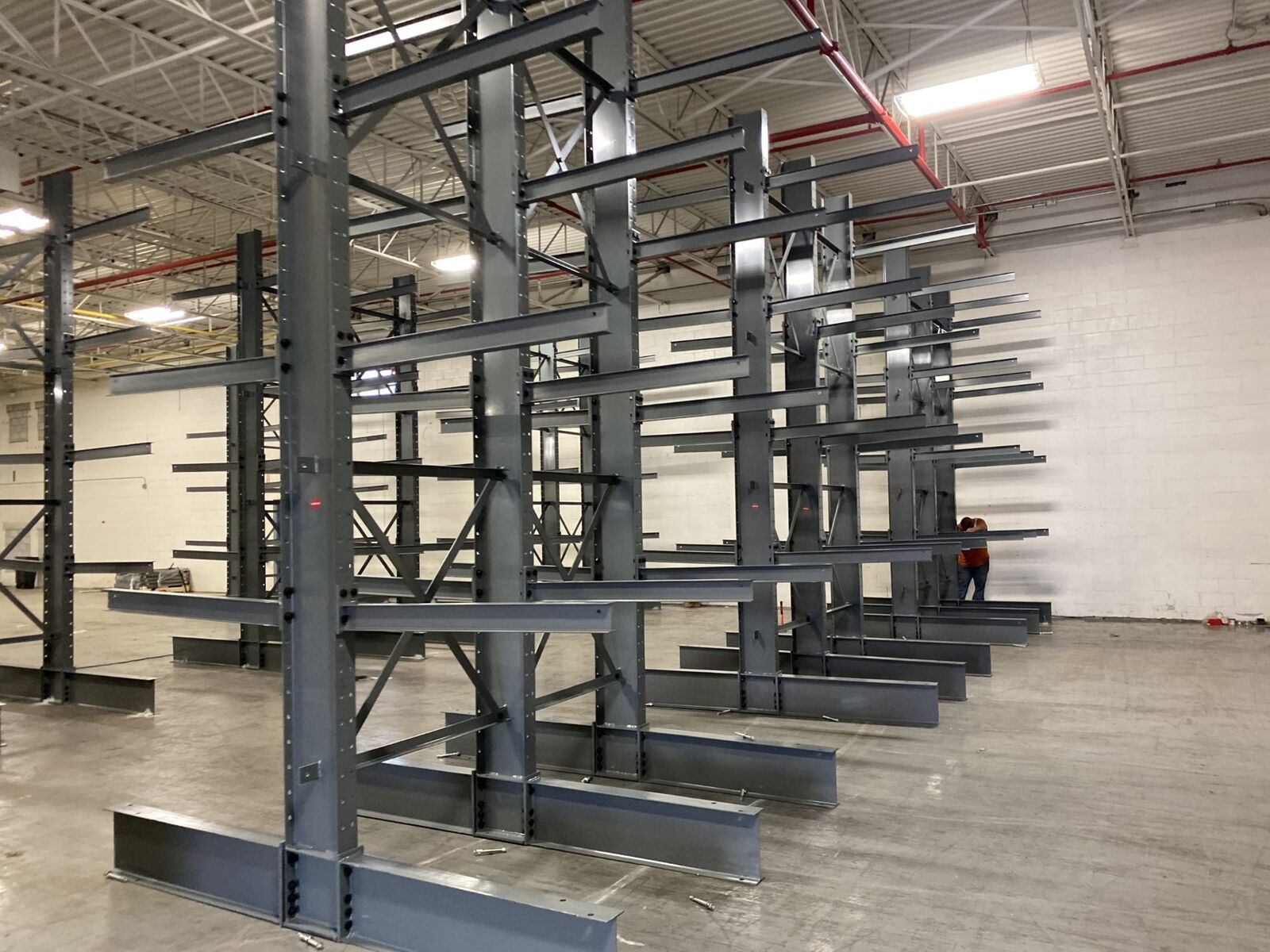
Cantilever Rack
Arms with nothing in front of them, built for lumber, pipe, and anything a pallet can't hold.
View details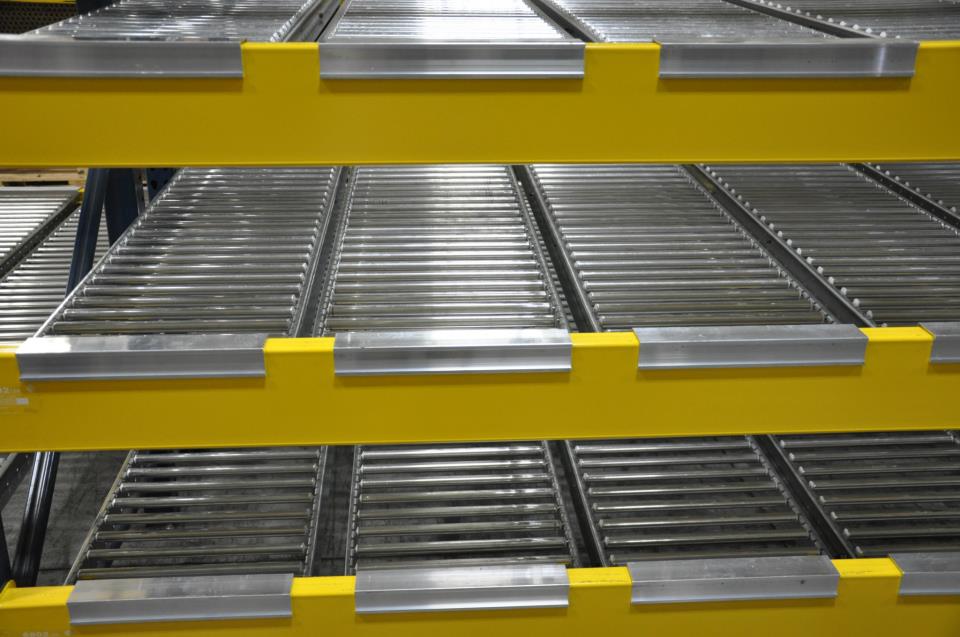
Carton Flow Rack
Cases advance to the picker instead of the picker hunting for cases.
View details
Warehouse Relocation
Move the storage system with a labeled teardown, destination layout, and phased reinstallation plan.
View detailsWhere We Work
Located in Albuquerque, we serve the entire metro and greater New Mexico with industrial pallet racks and warehouse storage solutions.
Albuquerque Pallet Rack
Address
2105 Vista Oeste NW
Suite E #3491
Albuquerque, NM 87120
Phone
(505) 436-7469Business Hours
Monday - Friday: 8:00 AM - 6:00 PM
Saturday: Closed
Sunday: Closed
Start with your load details
(505) 436-7469